

Dodge Viper Engine Crankshaft Position Sensor: A Complete Guide (2003-2011)
Stalling or no-start problems with your Viper V10 could point to this critical sensor.
- Verify your Viper's year; the sensor location and part number are different for 2003-2004 vs. 2005-2011 models.
- A failing sensor will likely cause a no-start or sudden stalling condition, often with a P0335 trouble code.
- Spend extra for an OEM (Mopar) or reputable OE supplier (NTK, Delphi) part; cheap aftermarket sensors are known to fail.
- Replacement is a straightforward DIY job for those comfortable working under the car, with no computer relearn needed.
Symptoms of a Failing Crankshaft Sensor in a Dodge Viper
A bad crankshaft position sensor can cause problems that range from annoying to leaving you stranded. The most common issue is the engine cranking but refusing to start. You may also experience sudden stalling while driving or when idling at a stoplight, which can be dangerous. Other signs include a rough idle, engine misfires, poor acceleration, and a noticeable decrease in fuel economy. In most cases, a failing sensor will trigger the Check Engine Light and store a diagnostic trouble code, most commonly P0335 (Crankshaft Position Sensor 'A' Circuit Malfunction).
Critical Part Location Difference: 2003-2004 vs. 2005-2011
It is extremely important to identify your Viper's model year before ordering this part. There was a design change after 2004.
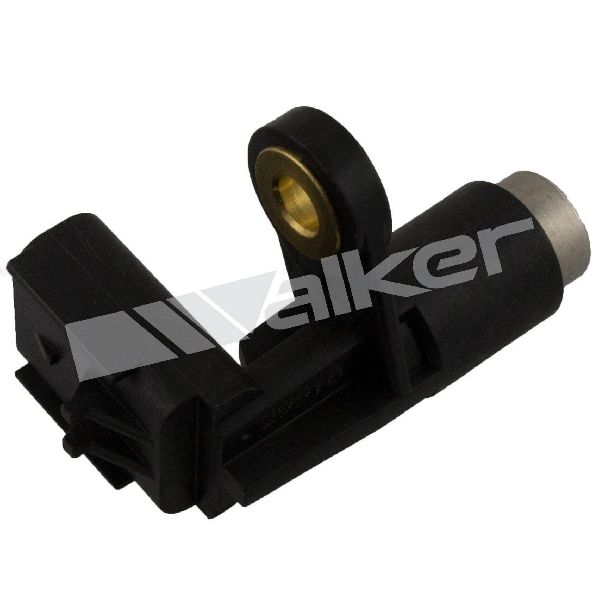
- 2003-2004 (Gen 3): The sensor is located on the passenger side of the transmission bellhousing and reads notches on the flywheel.
- 2005-2011 (Gen 3 & Gen 4): The sensor was moved to the passenger side of the engine block, midway down.
These two sensor types are not interchangeable. Ordering the wrong part for your year will not work.
Choosing the Right Aftermarket Sensor: Quality Matters
For a high-performance engine like the Viper's V10, the quality of critical sensors is not the place to save a few dollars. While many budget-friendly aftermarket options exist, Viper and other Mopar community members strongly advise against using cheap, unbranded sensors from marketplaces like Amazon or eBay. These parts have a reputation for being defective right out of the box or failing very quickly, leading you to do the job twice.
Here’s a breakdown of brand quality tiers to help you choose:
- Tier 1: OEM (Mopar): This is the highest quality and most reliable option, guaranteed to fit and perform as the factory intended. The cost is higher, but it provides the most peace of mind. The OEM part for 2005-2011 models is Mopar part number 5033307AE (superseding 5033307AC).
- Tier 2: Reputable OE Suppliers (NGK/NTK, Delphi, Standard Ignition): Brands like NGK (under their NTK sensor line) and Delphi are often the original equipment manufacturers for many car brands. They offer quality very close to OEM, sometimes even being the exact same part without the Mopar logo, at a lower price. Standard Ignition (SMP) is another long-standing reputable aftermarket brand.
- Tier 3: Value Brands (Dorman, Walker, etc.): While brands like Dorman offer a wide range of parts and are readily available, their quality can be inconsistent for electronic components. For a critical sensor like this, it's generally recommended to choose from Tier 1 or Tier 2 to avoid potential issues.
| Part Type | Estimated Cost |
|---|---|
| New OEM (Mopar) | $90 - $160 |
| New Aftermarket | $18 - $75 |
| Shop Labor | $85 - $130 |
Pro Tip: No Relearn Procedure Needed
For the 2003-2011 Dodge Viper, replacing the crankshaft position sensor is a direct bolt-in process. Unlike some other vehicles, there is no special computer "relearn" or calibration procedure required after installation.
Frequently Asked Questions (FAQ)
Where is the crankshaft position sensor located on my Viper?
For 2005-2011 models, it's on the passenger side of the engine block, about halfway down, and is best accessed from underneath the car. For 2003-2004 models, it is located on the passenger side of the transmission bellhousing. Always confirm the location on your specific vehicle before starting the repair.
Is this a difficult part to replace myself?
For a moderately experienced DIY mechanic, this is a feasible job. It typically involves raising the vehicle for access, disconnecting the electrical connector, and removing a single 10mm bolt. The main challenge can be reaching the sensor, which is in a tight space. The sensor can also be stuck in the engine block due to a swollen O-ring, requiring some careful wiggling and prying to remove.
Are there any recalls for the Viper crankshaft sensor?
No. As of early 2026, there are no active NHTSA safety recalls for the crankshaft position sensor on any 2003-2011 Dodge Viper models. Recalls you may find for "crankshaft position" issues on other Dodge vehicles typically relate to the tone wheel on different engines, not the sensor on the Viper.
What is the most common trouble code for a bad crank sensor?
The most common diagnostic trouble code (DTC) associated with a failed crankshaft position sensor is P0335. This code specifically indicates a malfunction in the sensor's circuit.
Technical Specifications
OEM Part Numbers: 5033307AE 5033307AC 5033307AD PC243
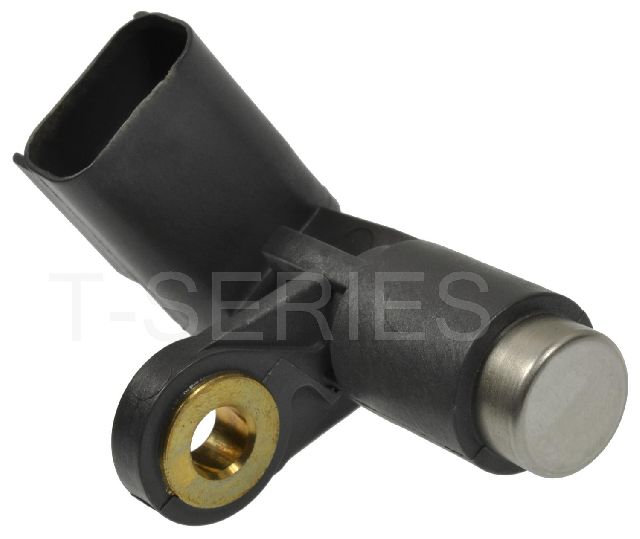
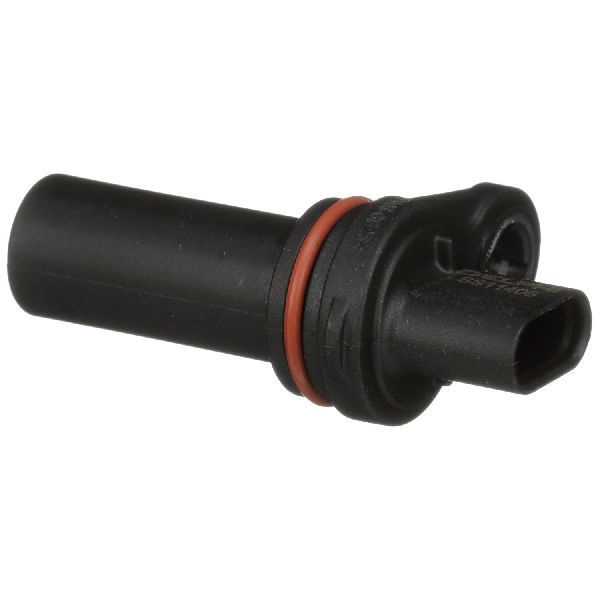
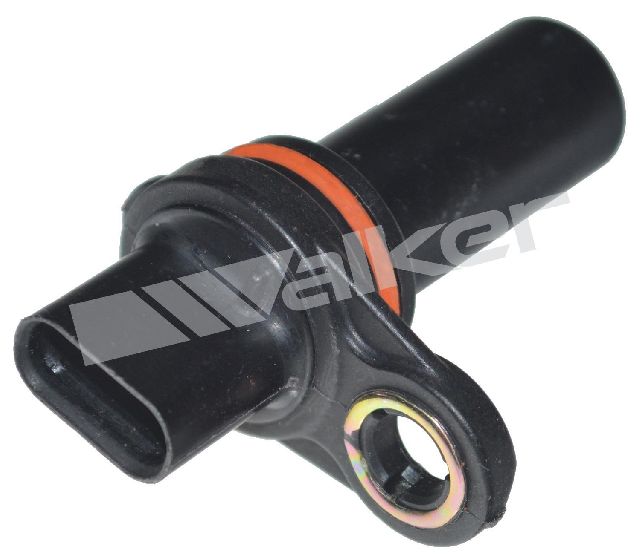
3-pin oval electrical connector. Secures with a single bolt. Location varies by model year.
We Have This Part in Stock


The information in this article is provided for general reference and educational purposes only. Vehicle specifications, procedures, and part compatibility can vary by production date, trim level, and region. Always consult your vehicle's factory service manual and verify part numbers before purchasing or performing repairs. Safety-critical components such as airbags, seat belts, and braking systems should be installed by a qualified professional.
- Dodge Viper: