

A Guide to Replacing Brake Calipers on the 2003-2011 Ford Crown Victoria
Address common brake problems by choosing the right new aftermarket caliper for your Panther platform sedan.
- The most common failure for Crown Victoria calipers is sticking or seizing due to corroded slide pins or pistons.
- There are no specific recalls for the calipers; failure is considered a wear-and-tear issue that requires regular maintenance.
- For best results and longevity, especially in rust-prone areas, choose a coated caliper from a brand like Powerstop or Raybestos Element3.
- Always replace calipers in pairs (left and right) and thoroughly bleed the entire brake system after installation to ensure safety and proper performance.
Is Your Crown Victoria's Caliper Failing?
Due to their heavy-duty use in police and taxi fleets, Crown Victoria brake systems are put to the test. The most common failure for the 2003-2011 model year is a sticking or seized brake caliper. This happens when the caliper piston or the slide pins corrode and fail to move freely. When a caliper sticks, it doesn't release its grip on the brake rotor, causing constant drag on one wheel.
Symptoms of a Bad Caliper:
- Vehicle Pulling: The car pulls to one side when you're driving or braking.
- Burning Smell: A strong, acrid burning smell from a wheel well after driving is a sign of a dragging brake.
- Smoke: In severe cases, you may see smoke coming from the wheel area.
- Uneven Brake Pad Wear: The inner brake pad wears out much faster than the outer pad.
- Spongy or Soft Brake Pedal: A failing caliper seal can sometimes lead to a loss of hydraulic pressure.
Known Issues: Seized Calipers and Sticking Slide Pins
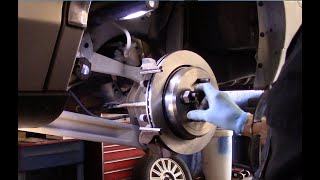
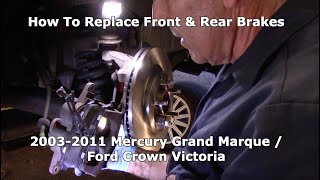
The number one problem for these calipers is corrosion. Moisture and road salt can cause the caliper pistons to seize in their bores or, more commonly, cause the slide pins to rust and get stuck. When the slide pins can't move, the caliper can't apply and release pressure evenly, leading to rapid pad wear and overheating rotors. 🎬 Watch this guide to diagnose and repair a sticking caliper. Regular cleaning and lubrication of the slide pins during brake service can help prevent this, but once a caliper is seized, replacement is the safest solution.
Choosing the Right Aftermarket Caliper
When shopping for a new aftermarket caliper, you'll find options ranging from basic remanufactured units to high-performance coated calipers. Since you are replacing a critical safety component, it's best to buy them in pairs (both front or both rear) to ensure even braking.
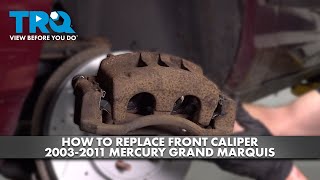
🎬 See this step-by-step walkthrough for replacing your front calipers.Performance and Coated Calipers
These are the best choice for longevity, especially in regions with road salt. The coating prevents the caliper body from rusting, which not only looks better but helps prevent corrosion from seizing components.
- Powerstop: Often sold as a performance upgrade, Powerstop calipers come with a durable powder coating (usually red) that resists rust and corrosion. They are remanufactured but are pressure tested and come with new hardware. While generally well-regarded, occasional quality control issues with hardware have been noted by users.
- Raybestos (Element3): Raybestos's Element3 line features a premium coating designed to withstand harsh weather and prevent rust. They are a well-respected brand in the brake industry and are considered a high-quality option.
Quality OE-Style Replacements
These brands offer a balance of quality and value for a daily-driven vehicle.
- Centric: Widely regarded as a reliable choice for standard replacement parts. Mechanics report installing Centric calipers frequently with very few problems, making them a safe bet for restoring original performance.
- Raybestos (Professional Grade): These are solid, dependable remanufactured calipers that meet or exceed original specifications. They are a step up from budget brands and a popular choice among DIY mechanics.
Budget Remanufactured Calipers
These are the most affordable but can be inconsistent in quality.
- Cardone: As one of the largest remanufacturers, Cardone calipers are widely available and affordable. However, owner experiences are mixed. Some last for years without issue, while others report issues with premature rust on the caliper body and inconsistent quality control.
Always Replace in Pairs
It is highly recommended to replace calipers on the same axle at the same time. Replacing just one can lead to unbalanced braking, pulling, and uneven pad wear. Also, if one caliper has failed due to age or corrosion, the other is likely not far behind.
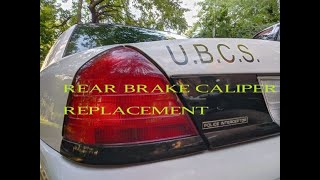
🎬 Follow this video to replace your rear brake calipers properly.Cost to Replace Ford Crown Victoria Brake Calipers
| Part/Service | Estimated Cost |
|---|---|
| New Aftermarket Caliper (Single) | $53 - $166 |
| Shop Labor (Single Caliper) | $150 - $250 |
| Total Professional Replacement (Per Corner) | $203 - $416 |
Frequently Asked Questions (FAQ)
Are there any recalls for the 2003-2011 Crown Victoria brake calipers?
No. Searches of the National Highway Traffic Safety Administration (NHTSA) database show no specific safety recalls for the brake calipers on this vehicle for these model years. Failures are typically due to age, wear, and corrosion.
Should I buy a new or remanufactured caliper?
Most aftermarket calipers, including those from Powerstop and Cardone, are remanufactured. This means an original caliper core has been cleaned, inspected, and rebuilt with new seals, boots, and hardware. A quality remanufactured caliper from a reputable brand like Centric or Raybestos is a reliable and cost-effective option. Truly "new" calipers are less common and often more expensive.
Do I need special tools to replace my calipers?
Standard mechanic's tools like a socket set, wrenches, a C-clamp or piston compressor, and a tool to disconnect the brake line are needed. You will also need a brake bleeding kit to remove air from the system after installation, which is a critical step. The job is feasible for a DIYer with some experience.
Why is my new caliper making noise?
If you've just replaced your calipers and hear noise, check that the brake pads and all hardware were installed correctly. Ensure the slide pins were lubricated and move freely. Sometimes, performance pads paired with drilled or slotted rotors can create more noise than stock components. If the noise persists, have the installation inspected.
Helpful Videos
Technical Specifications
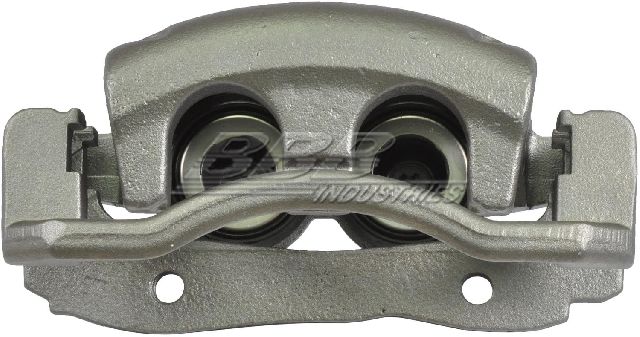
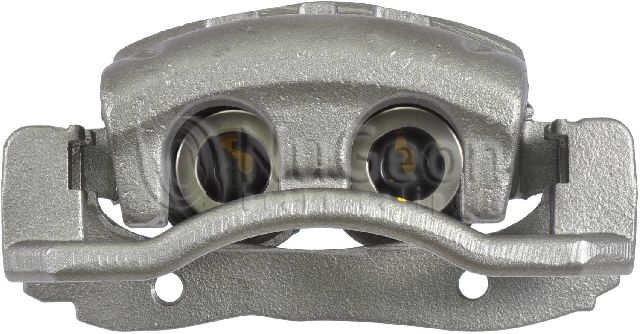
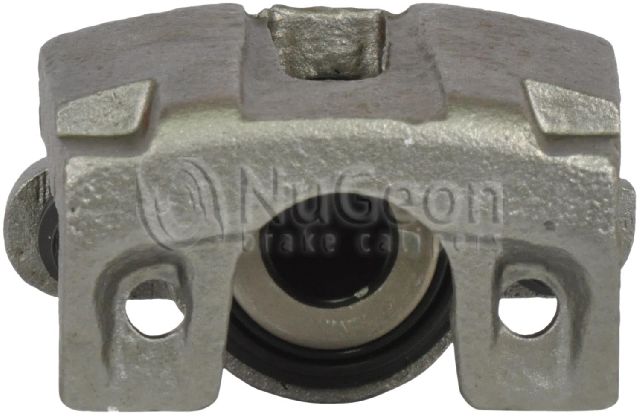
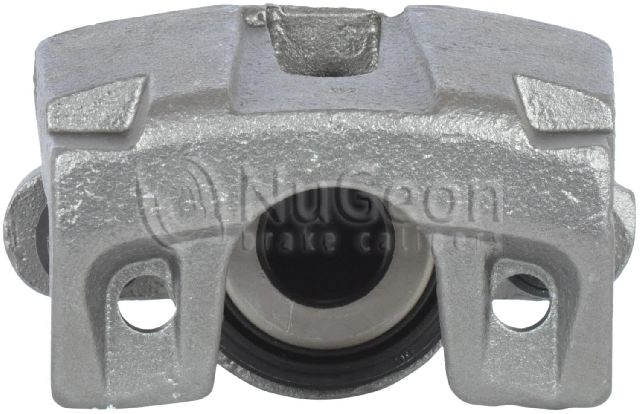
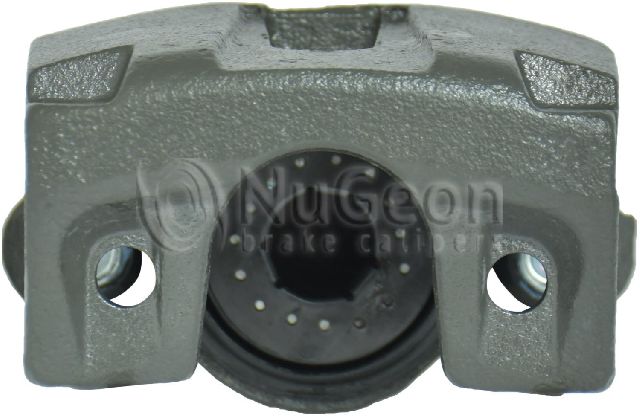
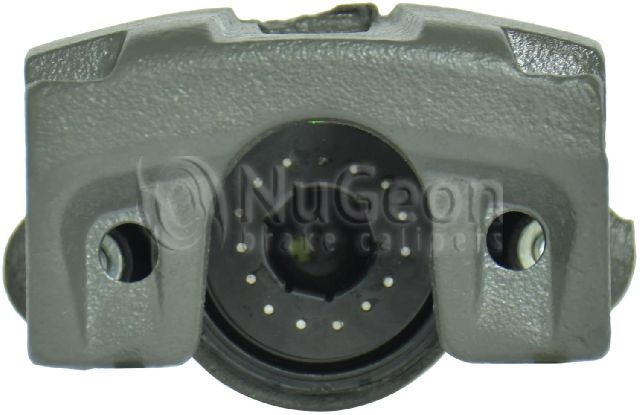
Front calipers are dual-piston; rear calipers are single-piston. Both are floating-type calipers.
We Have This Part in Stock

The information in this article is provided for general reference and educational purposes only. Vehicle specifications, procedures, and part compatibility can vary by production date, trim level, and region. Always consult your vehicle's factory service manual and verify part numbers before purchasing or performing repairs. Safety-critical components such as airbags, seat belts, and braking systems should be installed by a qualified professional.
- Ford Crown Victoria:
- 🎬 Helpful Videos
- 🛍️ Shop This Part
- Is Your Crown Victoria's Caliper Failing?
- Symptoms of a Bad Caliper:
- Known Issues: Seized Calipers and Sticking Slide Pins
- Choosing the Right Aftermarket Caliper
- Performance and Coated Calipers
- Quality OE-Style Replacements
- Budget Remanufactured Calipers
- Always Replace in Pairs
- Cost to Replace Ford Crown Victoria Brake Calipers
- Frequently Asked Questions (FAQ)
- 🎟️ Get 5% Off