

Ford Explorer Engine Coolant Bypass Hose Guide for 2003-2011 Models
Don't let a small, inexpensive hose cause major engine problems in your V6 or V8 Explorer.
- A failing bypass hose will cause coolant leaks and lead to engine overheating, which can cause critical damage.
- While replacing the hose, strongly consider replacing the failure-prone plastic thermostat housing with an aluminum version on V6 and V8 models.
- High-quality aftermarket brands like Gates and Dayco are reliable and cost-effective alternatives to OEM for this part.
- Always replace old spring-style hose clamps with new worm-gear clamps for a more secure seal.
Is Your Explorer's Engine Coolant Bypass Hose Failing?
The rubber and plastic used in cooling system hoses break down over time due to constant heat and pressure. A failure in the bypass hose can quickly lead to serious engine trouble. Watch for these clear warning signs:
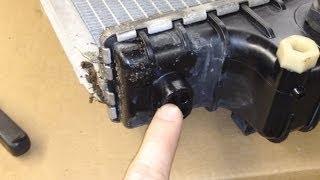
- Coolant Leaks: This is the most common symptom. You might find a puddle of green, orange, or pink fluid 🎬 See a pro mechanic point out common Explorer radiator leak points. under the front of your Explorer. A slow leak may not leave a puddle but will require you to constantly top off the coolant reservoir.
- Sweet Smell: Antifreeze has a distinct sweet odor. If you smell this inside or outside your vehicle, it's a sure sign of a coolant leak as the fluid burns off on hot engine components.
- Engine Overheating: A leak will cause the coolant level to drop, leading to your engine overheating. The temperature gauge may climb into the red, especially when idling or in stop-and-go traffic.
- Visible Damage: When the engine is cool, squeeze the hose. If it feels excessively hard, brittle, spongy, or looks swollen or cracked, it needs to be replaced immediately.
- Steam from Under the Hood: If coolant drips onto the hot engine or exhaust, it will create clouds of white steam.
A Critical Weak Point: The Thermostat Housing
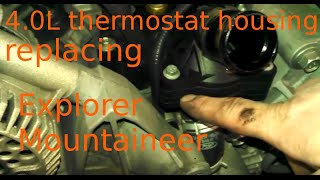
On 4.0L V6 and 4.6L V8 engines from this era 🎬 Check out this walkthrough for replacing the thermostat on V8 models., the factory plastic thermostat housing is a notorious failure point. It often becomes brittle and cracks, causing a major coolant leak. Since the bypass hose connects to this housing, it is highly recommended to inspect it carefully and consider replacing it with a more durable aluminum aftermarket version 🎬 Watch this step-by-step guide to replacing the thermostat housing assembly. at the same time you replace the hose.
Choosing the Right Aftermarket Bypass Hose
For a part like a coolant hose, you don't always need to pay a premium for the OEM part. High-quality aftermarket brands offer excellent reliability and fitment, often at a better price.
- Motorcraft (OEM): This is Ford's factory brand, guaranteed to fit perfectly. While often considered the highest quality, for a simple hose, the cost difference may not be justified unless the price is competitive.
- Gates & Dayco (Premium Aftermarket): Both Gates and Dayco are highly respected manufacturers of belts and hoses. Many professional mechanics use them daily and consider their quality to be on par with OEM. Forum discussions often show owners having long-term success with both brands. They are excellent, cost-effective choices.
- ACDelco (Standard Aftermarket): While primarily a GM brand, ACDelco makes parts for many vehicles and is a reliable option that often comes at a budget-friendly price.
Estimated Replacement Costs
| Part | Estimated Cost |
|---|---|
| New Aftermarket Bypass Hose | $13.57 - $21.24 |
| New OEM (Motorcraft) Bypass Hose | $11.00 - $25.00 |
| Shop Labor | $100.00 - $150.00 |
Pro Tip: Upgrade Your Clamps
The original spring-style clamps can lose tension over time, leading to slow leaks. A Ford Technical Service Bulletin (TSB) for a similar issue recommends adding a worm-gear style clamp for a more secure, long-lasting seal. It's a cheap and easy upgrade to perform while you're replacing the hose.
Frequently Asked Questions (FAQ)
Are there any recalls for the coolant bypass hose on my Explorer?
No. Searches of the National Highway Traffic Safety Administration (NHTSA) database show no specific recalls for the engine coolant bypass hose on 2003-2011 Ford Explorers. There are recalls for other coolant system components on different vehicles, but not this specific part and model range.
Can I just replace the one leaking hose?
While you can, it's wise to inspect all coolant hoses at the same time. They are all the same age and have been exposed to the same conditions. If the bypass hose has failed, the upper and lower radiator hoses may not be far behind. Replacing them all at once can save you from another breakdown in the near future.
What type of coolant should I use in my 2003-2011 Explorer?
Always check your owner's manual first. Most Explorers in this year range use Motorcraft Premium Gold Engine Coolant, which is a HOAT (Hybrid Organic Acid Technology) type antifreeze. Using the wrong coolant can cause corrosion and damage to your cooling system. After the repair, the system must be refilled and bled of any air pockets to prevent overheating.
Is this the same as a heater hose?
No. While they both carry coolant, heater hoses specifically circulate coolant to the heater core behind the dashboard to provide cabin heat. The bypass hose is part of the engine's primary cooling circuit, designed to help it warm up properly.
Helpful Videos

Technical Specifications
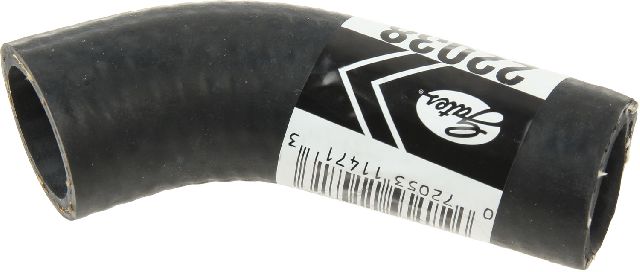
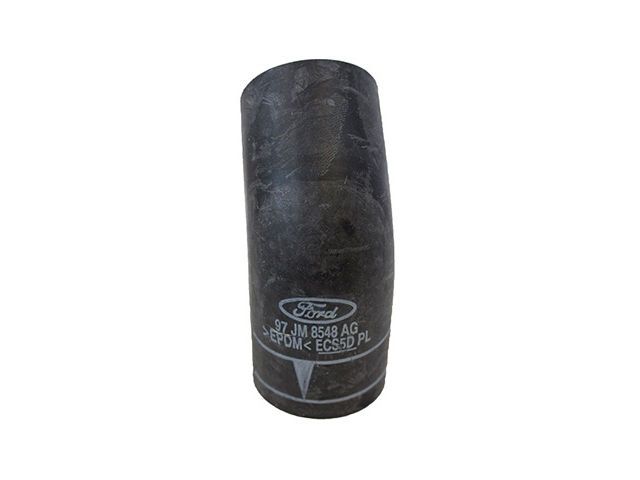
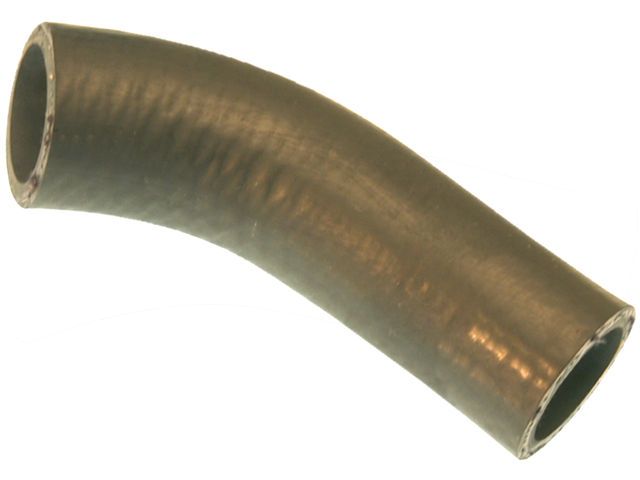
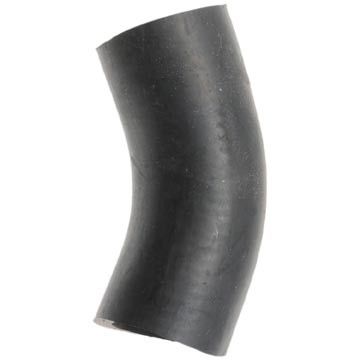
OEM Part Numbers: KM-3269
Fits 2003-2010 Ford Explorer with 4.0L V6 or 4.6L V8 engines. Note: The 2011 model year was a redesign; verify part fitment for 2011 models as engine options changed completely.
We Have This Part in Stock

The information in this article is provided for general reference and educational purposes only. Vehicle specifications, procedures, and part compatibility can vary by production date, trim level, and region. Always consult your vehicle's factory service manual and verify part numbers before purchasing or performing repairs. Safety-critical components such as airbags, seat belts, and braking systems should be installed by a qualified professional.
- Ford Explorer: