

Ford Mustang Radiator Coolant Hose Guide (2003-2011)
Keep your Mustang's engine cool and prevent breakdowns by knowing when and how to replace your radiator hoses.
- Inspect hoses regularly for cracks, bulges, and soft spots to prevent sudden failure.
- For 2005-2010 models, check the plastic thermostat housing (V6) and T-connectors (V8) for leaks, as they are common failure points.
- Gates is a highly recommended aftermarket brand for its OEM-like fit and quality.
- Always replace hose clamps and consider replacing both upper and lower hoses at the same time for reliability.
Is Your Mustang's Radiator Hose Failing?
Radiator hoses are not designed to last forever. Made mostly of rubber, they are exposed to constant heat, pressure, and vibration. Over time, the rubber breaks down. For 2003-2011 Mustangs, especially as they age, hose failure is a common maintenance issue. A sudden burst hose can leave you stranded and cause your engine to overheat in minutes.
Key Symptoms of a Bad Radiator Hose:
- Coolant Leaks: Puddles of green, yellow, or orange fluid under the front of your car are a tell-tale sign. Leaks often start small at the connection points to the radiator or engine.
- Visible Damage: Inspect your hoses. Look for cracks, splits, or fraying, which indicate the rubber is old and brittle.
- Bulging or Swelling: If a hose looks swollen, especially near the clamps, it's a sign of internal weakness and it could burst at any moment. Oil contamination can also cause hoses to swell and feel spongy.
- Spongy or Hard Hoses: When the engine is cool, squeeze the hoses. A healthy hose should feel firm but pliable. If it feels mushy, soft, or rock-hard, it needs replacement.
- Engine Overheating: If your temperature gauge is climbing into the red, a collapsed or leaking radiator hose could be the culprit, restricting coolant flow.
Known Issue: Plastic Connectors & Thermostat Housings
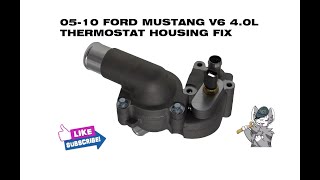
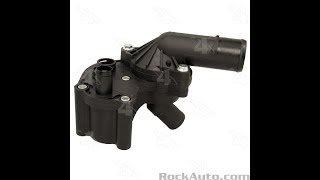
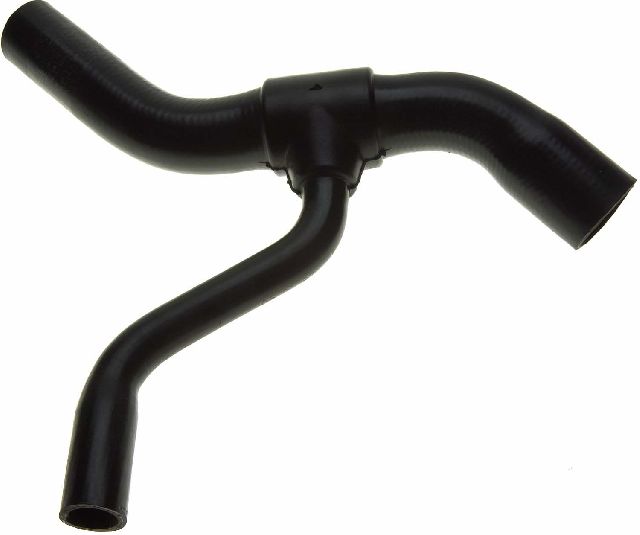
For the 2005-2010 V6 and GT models, a common source of coolant leaks isn't always the hose itself, but the plastic components it connects to. The thermostat housing on V6 models and plastic T-connectors on V8 models can become brittle and crack over time, causing leaks. When replacing hoses, it's crucial to inspect these plastic parts for any signs of cracking 🎬 See how to fix a leaking V6 thermostat housing or weeping coolant.
Choosing the Right Aftermarket Radiator Hose
You don't need to go to the dealer for a quality replacement hose. Aftermarket brands offer excellent quality, often at a better price. When choosing a new hose, fitment is key. A poorly fitting hose can kink, restricting flow, or may not seal properly.
Aftermarket Brand Tiers for Your Mustang:
- Top Tier (Excellent Fit & Quality): Gates is consistently recommended by Mustang owners and mechanics for its quality and precise, OE-like fit. They often manufacture hoses for OEM brands like Motorcraft.
- Mid Tier (Good Quality, Watch Fitment): Continental and Dayco are also reputable brands. However, some users report that Dayco hoses can sometimes have a less precise fit than Gates, potentially requiring different clamps to seal properly.
- Economy Tier (Basic Functionality): Dorman offers a wide range of parts and can be a budget-friendly option. While functional, always verify the fit and material quality before installation.
Pro Tip: Replace Clamps with Hoses
Always replace your hose clamps when you replace the hoses. The original spring-style clamps can lose tension over time. While many mechanics prefer to reuse them for their constant tension, new spring clamps are ideal. If using worm-gear clamps, be careful not to overtighten them, as this can cut into the new hose and cause a leak.
How Much Does a Radiator Hose Replacement Cost?
The cost depends on whether you do it yourself or go to a shop. It's a manageable DIY job for those with basic tools.
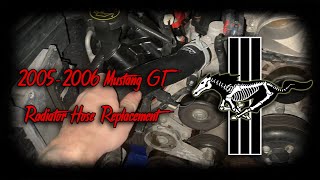
🎬 Watch: Step-by-step radiator hose replacement on a Mustang GT| Service | Estimated Cost |
|---|---|
| DIY Parts (Hoses & Coolant) | $40 - $100 |
| Shop Labor Cost | $88 - $170 |
| Total Professional Replacement | $150 - $495 |
Note: Prices are estimates and can vary based on your location, specific Mustang model (V6 vs. GT), and the repair shop. It's often recommended to replace both upper and lower hoses at the same time.
Frequently Asked Questions (FAQ)
Should I replace both radiator hoses at the same time?
Yes. Radiator hoses are exposed to the same conditions and age at the same rate. If one has failed, the other is likely not far behind. Replacing them both at the same time is smart preventative maintenance and saves you from doing the same job twice.
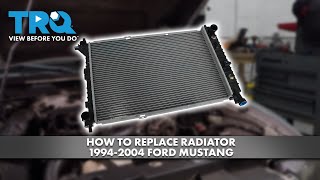
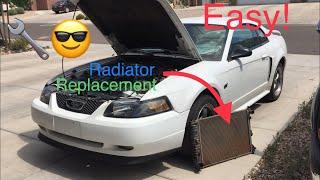
🎬 Learn how to replace the radiator and burp the systemWhat type of coolant should I use for my 2003-2011 Mustang?
Always check your owner's manual. Generally, these Mustangs use a yellow-colored Motorcraft Premium Gold Engine Coolant or an equivalent coolant that meets Ford specification WSS-M97B51-A1. Using the wrong type of coolant can cause damage to your cooling system.
Were there any recalls for radiator hoses on the 2003-2011 Mustang?
No specific recalls were issued by the NHTSA for radiator hose failure on the 2003-2011 Ford Mustang. However, there was a recall for some 4.6L engines concerning a coolant flow blockage at the intake manifold heater core nipple, which can affect heating but is not a hose failure itself.
Is a silicone radiator hose better than a standard rubber one?
For most street-driven Mustangs, a high-quality EPDM rubber hose from a brand like Gates is perfectly sufficient and reliable. Silicone hoses offer higher heat resistance, which is beneficial for highly modified or track-focused cars, but they are more expensive and can be more prone to water permeation over time, meaning you might have to check your coolant level more often.
Helpful Videos
Technical Specifications
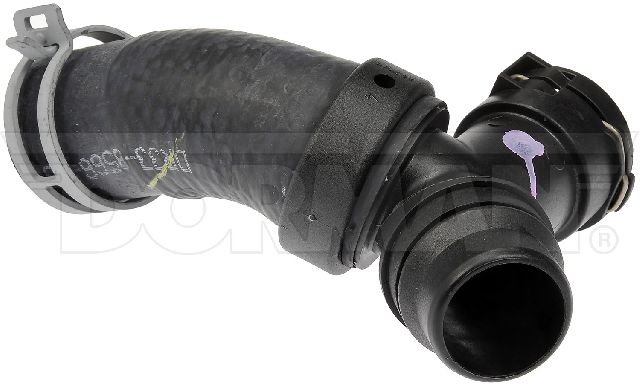
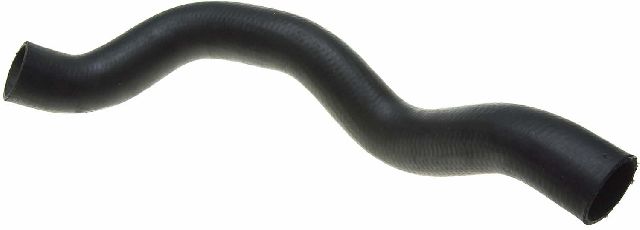
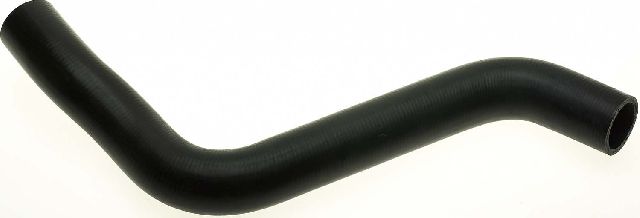
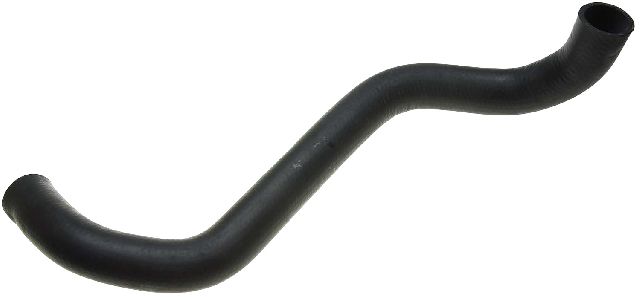
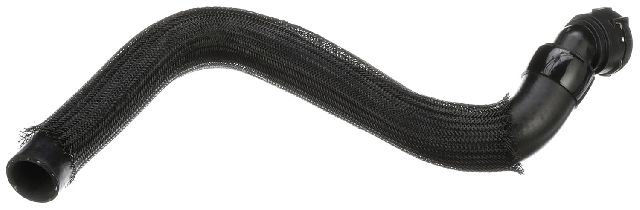
Hoses are typically made from EPDM (Ethylene Propylene Diene Monomer) rubber. They are pre-molded to fit the specific engine bay layout of V6 and V8 models. Ensure the replacement hose matches the shape and diameter of the original part.
We Have This Part in Stock

The information in this article is provided for general reference and educational purposes only. Vehicle specifications, procedures, and part compatibility can vary by production date, trim level, and region. Always consult your vehicle's factory service manual and verify part numbers before purchasing or performing repairs. Safety-critical components such as airbags, seat belts, and braking systems should be installed by a qualified professional.
- Ford Mustang:
- 🎬 Helpful Videos
- 🛍️ Shop This Part
- Is Your Mustang's Radiator Hose Failing?
- Key Symptoms of a Bad Radiator Hose:
- Known Issue: Plastic Connectors & Thermostat Housings
- Choosing the Right Aftermarket Radiator Hose
- Aftermarket Brand Tiers for Your Mustang:
- Pro Tip: Replace Clamps with Hoses
- How Much Does a Radiator Hose Replacement Cost?
- Frequently Asked Questions (FAQ)
- 🎟️ Get 5% Off