

A Mechanic's Guide to the 2003-2011 Ford Ranger Accessory Drive Belt
Everything a Ranger owner needs to know about choosing and replacing the accessory drive belt.
- Inspect the belt at every oil change for cracks, fraying, or a glazed appearance.
- A squealing noise is your first warning; don't ignore it.
- For maximum reliability, replace the belt tensioner and idler pulleys at the same time as the belt.
- Ensure you purchase the correct belt for your specific engine (2.3L, 3.0L, or 4.0L) as they are not interchangeable.
Signs of a Failing Accessory Drive Belt
A drive belt will give you some warning signs before it fails completely. Being aware of these can save you from being stranded. The most common replacement interval is between 50,000 and 100,000 miles, but you should inspect it regularly.
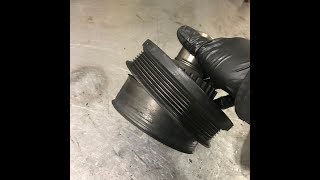
- Squealing Noises: A high-pitched squeal, especially when you start the engine or turn on the A/C, is a classic sign of a worn or loose belt. This noise can also be caused by a worn tensioner or misaligned pulleys. 🎬 Watch: Diagnosing engine noises that aren't always the belt.
- Visible Wear and Tear: Look at the belt itself. If you see cracks, fraying, missing chunks of rubber, or a shiny, glazed appearance, it's time for a replacement.
- System Failures: If your power steering becomes heavy, your A/C stops blowing cold air, or your battery warning light comes on, the belt may have slipped or broken. An overheating engine is also a critical symptom, as the water pump may not be turning.
A Broken Belt is a Big Problem
If the accessory drive belt breaks, your Ranger will lose power to critical systems immediately. The engine will overheat, the battery will stop charging, and you will lose power steering. Pull over safely as soon as possible and shut off the engine to prevent serious damage.
Choosing the Right Aftermarket Belt
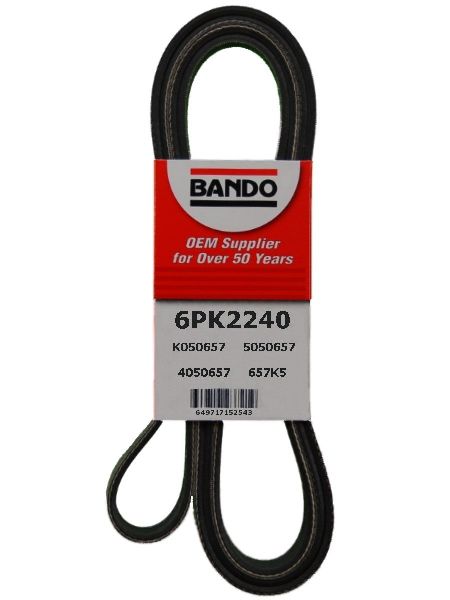
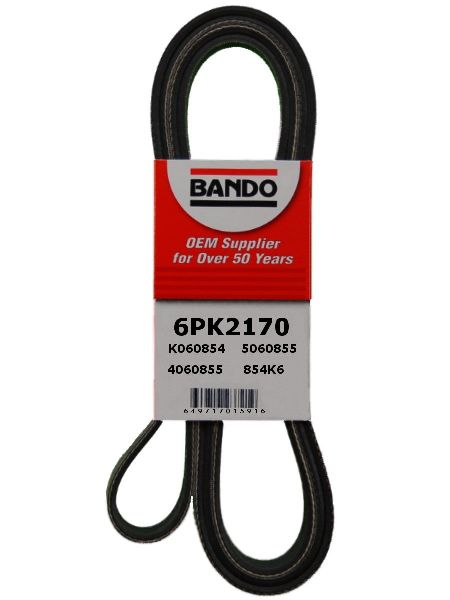
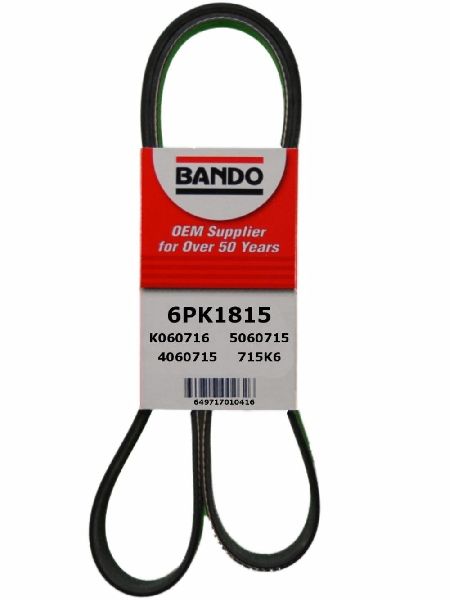
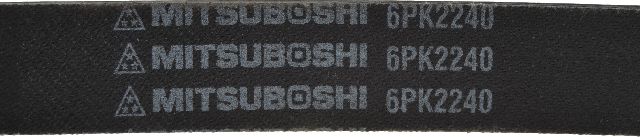
The original Ford Motorcraft belt is a quality part, but many aftermarket options offer similar or even better performance, often at a lower price. For the 2003-2011 Ranger, you'll find belts from brands like ACDelco, Bando, and Mitsuboshi. Here's how they generally stack up based on owner feedback and brand reputation.
- Bando and Mitsuboshi: These brands are often the original equipment manufacturer (OEM) for many Japanese vehicles and have a strong reputation for quality and durability. They are known for being quiet and reliable, making them an excellent choice that often meets or exceeds OEM standards.
- ACDelco: While traditionally associated with GM vehicles, ACDelco produces high-quality aftermarket parts for many makes and models, including Ford. An ACDelco belt is a solid, reliable choice for your Ranger.
- Other Reputable Brands: Forum discussions among Ranger owners frequently mention Gates and Dayco as popular choices. However, some users have reported noise issues with Dayco belts, suggesting that proper tension and pulley condition are extra important with this brand.
Pro Tip: Replace the Tensioner and Idler Pulleys
Many mechanics and experienced owners strongly recommend replacing the belt tensioner and any idler pulleys at the same time as the belt. The bearings in these pulleys wear out over time and a seized pulley can shred a brand new belt, leaving you stranded. It's a smart, preventative repair that ensures the whole system is reliable.
🎬 See how to replace the belt, tensioner, and idler pulley.Accessory Drive Belt Replacement Cost for 2003-2011 Ford Ranger
The cost can vary depending on your engine (2.3L, 3.0L, or 4.0L) and whether you do the work yourself or hire a professional. The job is considered easy for a DIY mechanic.
| Part/Service | Estimated Cost |
|---|---|
| New Aftermarket Belt | $28 - $74 |
| Shop Labor | $58 - $85 |
| Total Professional Replacement | $116 - $150 |
Frequently Asked Questions
How often should I replace my Ranger's accessory belt?
A general guideline is every 50,000 to 100,000 miles. However, it's more important to inspect the belt for signs of wear like cracks, fraying, or glazing at every oil change.
Is it hard to replace the accessory belt on a 2003-2011 Ranger?
No, this is a very DIY-friendly job for most Ranger owners. The engines in these trucks generally provide good access to the front of the engine. You will need a basic socket set and a breaker bar or serpentine belt tool to release the tensioner.
🎬 Watch this step-by-step serpentine belt replacement walkthrough.Are there any recalls for the accessory drive belt on this Ranger?
No, a search of the NHTSA database did not find any recalls specifically related to the accessory drive belt for the 2003-2011 Ford Ranger.
What's the difference between the belts for the 2.3L, 3.0L, and 4.0L engines?
The different engines have different accessory layouts and require belts of specific lengths. You must order the correct belt for your specific engine size. An incorrect belt will either not fit or will not have the proper tension, leading to noise and premature failure.
Helpful Videos
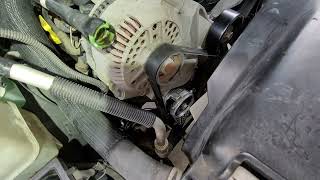
Technical Specifications
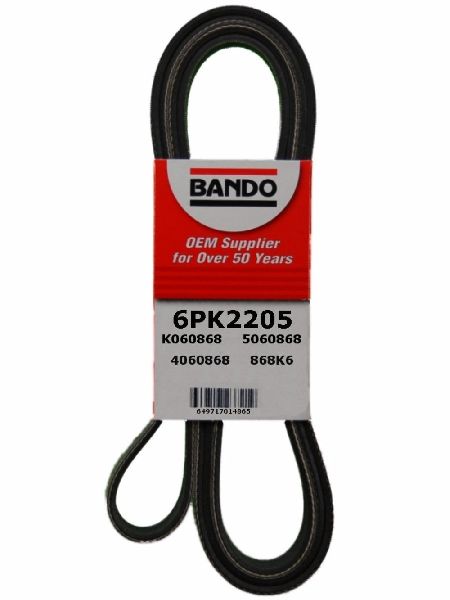
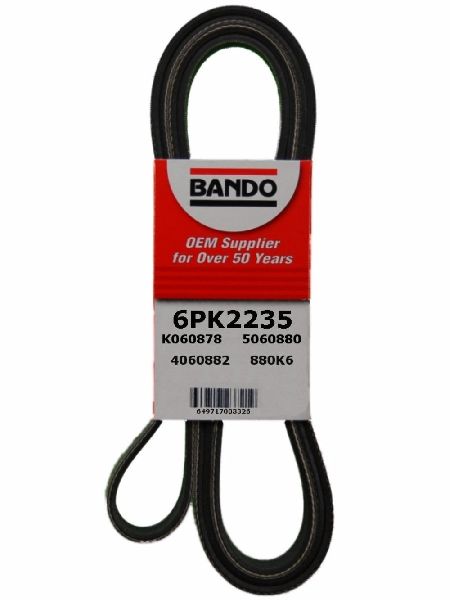
The key specification is the length and number of ribs, which varies by engine size (2.3L I4, 3.0L V6, 4.0L V6) and whether the vehicle has A/C. Always verify the part number with your vehicle's specific details.
We Have This Part in Stock

The information in this article is provided for general reference and educational purposes only. Vehicle specifications, procedures, and part compatibility can vary by production date, trim level, and region. Always consult your vehicle's factory service manual and verify part numbers before purchasing or performing repairs. Safety-critical components such as airbags, seat belts, and braking systems should be installed by a qualified professional.
- Ford Ranger: