

Ford Ranger Starter Motor Guide for 2003-2011 Models
Everything you need to know before replacing the starter on your 2003-2011 Ford Ranger.
- Always check your battery and its connections first; they are common culprits for no-start issues.
- A single click, slow cranking, or grinding noises are primary indicators of a failing starter.
- Replacing the starter is a feasible DIY job for many owners, typically requiring 1-2 hours.
- Motorcraft is the OEM brand and is highly recommended by owners, with ACDelco being a respected aftermarket alternative.
Is Your Ford Ranger Starter Failing?
A bad starter will stop you in your tracks, but it usually gives warning signs before it fails completely. If your Ranger won't start, don't immediately assume the starter is the problem. First, check that your battery is fully charged and that the battery terminals are clean and tight. Many starter problems are actually battery or connection issues. Once you've ruled those out, here are the common symptoms of a failing starter motor on a 2003-2011 Ford Ranger.
Symptoms of a Bad Starter
- Single, Loud Click: You turn the key and hear one distinct "click" but the engine doesn't crank. This often means the starter solenoid is engaging, but the motor itself isn't turning.
- No Sound at All: If you turn the key and get silence, the starter might not be receiving power, or it has failed completely.
- Slow, Labored Cranking: The engine turns over much slower than usual, even with a good battery. This can indicate the starter motor is wearing out and drawing too much power.
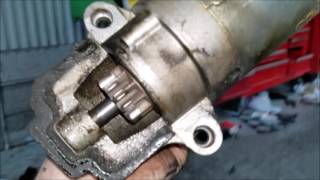
- Grinding or Whirring Noise: A grinding sound after the engine has started, or a whirring noise without the engine cranking, suggests the starter gear is not engaging or disengaging correctly with the flywheel.
- Intermittent Starting: The truck starts fine one day but refuses to crank the next. This inconsistency is a classic sign of a starter on its way out.
Pro Tip: Check the Easy Stuff First
Before spending money on a new starter, always verify your battery's health and check all connections. A weak battery, loose cables, or corrosion can mimic the symptoms of a bad starter. Many auto parts stores offer free battery testing.
Choosing a New Aftermarket Starter for Your Ranger
When it's time to buy a new starter, you have several options. For the 2003-2011 Ford Ranger, the choice often comes down to OEM-quality parts and aftermarket alternatives.
- Motorcraft (OEM): Motorcraft is Ford's official parts brand. Choosing a Motorcraft starter guarantees a perfect fit and performance identical to the one your truck came with from the factory. Many mechanics and owners prefer to stick with Motorcraft for critical parts to ensure reliability.
- ACDelco (Premium Aftermarket): While traditionally associated with GM, ACDelco produces high-quality parts for many makes and models, including the Ford Ranger. They are a well-regarded brand in the aftermarket and are often considered a reliable alternative to OEM parts.
- MPA (Value Aftermarket): MPA (Motor Parts of America) is a large supplier of aftermarket starters and alternators. They offer a more budget-friendly option compared to OEM or premium brands.
Forum discussions among Ranger owners show a preference for sticking with Motorcraft when possible. However, brands like Bosch, Valeo, and ACDelco are also frequently recommended as high-quality alternatives. Some owners have had success with value-oriented brands, but others caution that you might sacrifice longevity for a lower price.
Known Issues, Recalls, or TSBs
Searches for recalls and Technical Service Bulletins (TSBs) for the 2003-2011 Ford Ranger did not reveal any specific issues directly related to the starter motor itself. Most recalls for this generation pertain to airbag inflators. While some TSBs exist for engine-related issues like misfires on the 3.0L V6, they are not directly caused by the starter motor.
Cost of Replacing a Ford Ranger Starter
| Part/Service | Estimated Cost |
|---|---|
| New Aftermarket Starter | $85 - $291 |
| New OEM (Motorcraft) Starter | $150 - $300+ |
| Shop Labor | $120 - $250 |
| Total Professional Replacement | $400 - $820 |
Costs are estimates and can vary based on your location, engine (2.3L, 3.0L, or 4.0L), and the specific part chosen.
Frequently Asked Questions
How hard is it to replace the starter on a 2003-2011 Ranger?
For most DIY mechanics, replacing the starter on a Ranger is a manageable job. It is typically located on the driver's side of the engine, accessible from underneath the truck. The process involves disconnecting the battery, raising the vehicle, removing two or three bolts and the electrical connections, and then swapping the part. The most difficult part is often reaching the top bolt, which may require a swivel socket and extension. Estimated time is about 1-2 hours.
Do I need special tools?
No highly specialized tools are required. You will need a basic socket set (typically 8mm, 10mm, and 13mm), a ratchet with extensions, a swivel socket, a floor jack, and jack stands for safety. A wire brush for cleaning the electrical connections is also highly recommended.
Is a new or remanufactured starter better?
New starters are made with all-new components and often come with a better warranty. Remanufactured starters are rebuilt units where worn components have been replaced. While remanufactured parts can be a good value, their quality can vary. Many owners prefer the peace of mind that comes with a new part, especially for a component that can leave you stranded.
Will a bad starter drain my battery?
Yes, a failing starter can drain your battery. If the starter has an internal short or is struggling to turn the engine, it can draw excessive current from the battery. In some rare cases, a faulty starter solenoid can stick, causing the starter motor to run continuously even with the engine off, which will quickly drain the battery.
Helpful Videos
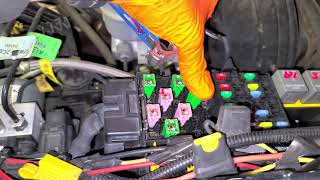
Technical Specifications
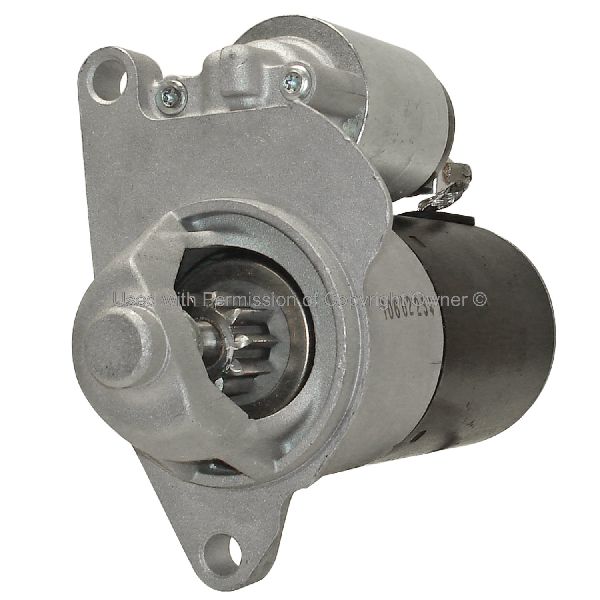
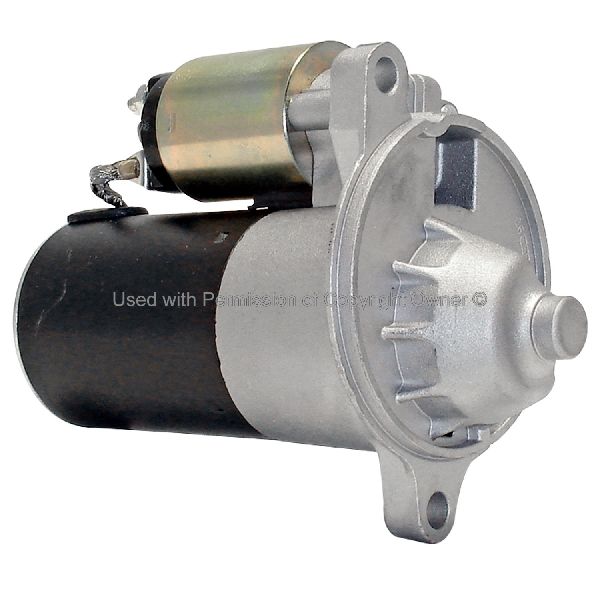
OEM Part Numbers: 3L5Z11002AA 6L5Z11002AA SA964RM SA1146RM
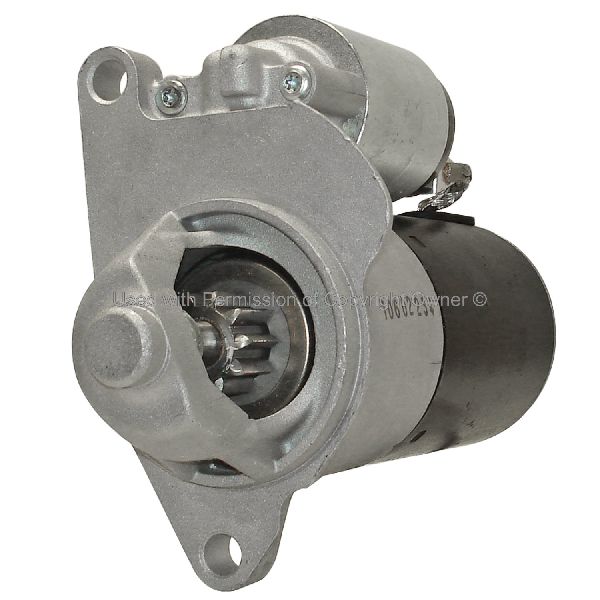
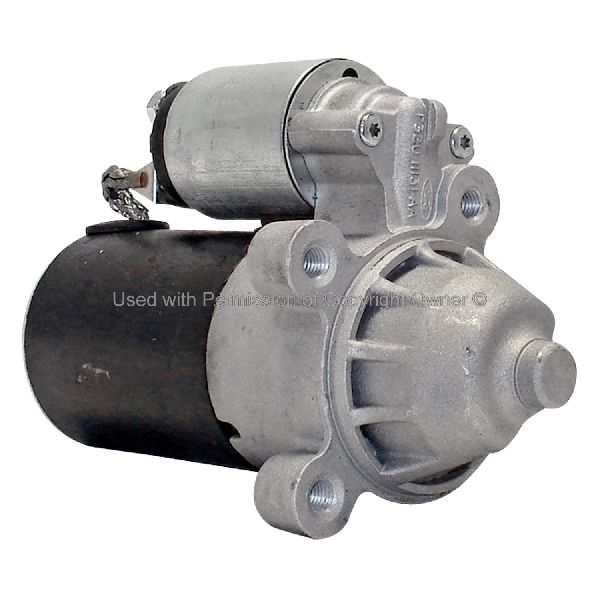
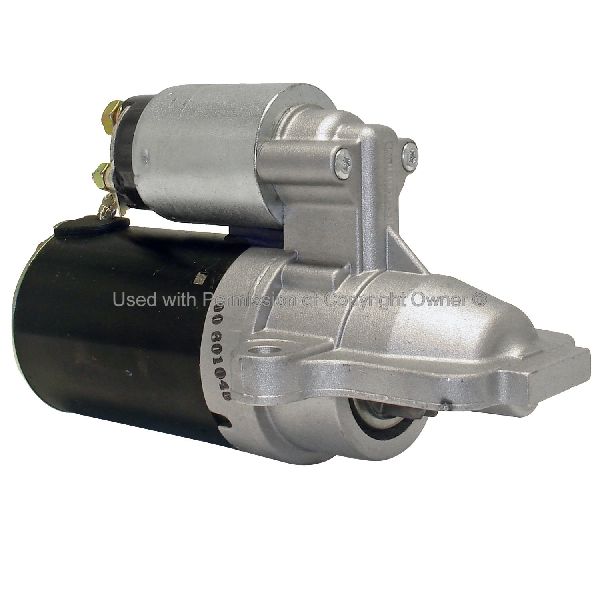
Varies by engine (2.3L, 3.0L, 4.0L) and transmission type. Starters for this generation typically have 10 or 11 teeth and a power rating of 1.4kW or 1.5kW. Always verify the part fits your specific vehicle configuration before purchasing.
We Have This Part in Stock

The information in this article is provided for general reference and educational purposes only. Vehicle specifications, procedures, and part compatibility can vary by production date, trim level, and region. Always consult your vehicle's factory service manual and verify part numbers before purchasing or performing repairs. Safety-critical components such as airbags, seat belts, and braking systems should be installed by a qualified professional.
- Ford Ranger: