

Honda Element A/C O-Ring and Gasket Kit Guide (2003-2011)
Losing your cool? This guide covers the essential A/C o-ring and gasket kits to get your Element's air conditioning blowing cold again.
- Failing A/C o-rings are a common cause of refrigerant leaks and warm air from the vents in a Honda Element.
- This is not a DIY-friendly repair. The A/C system must be professionally evacuated and recharged.
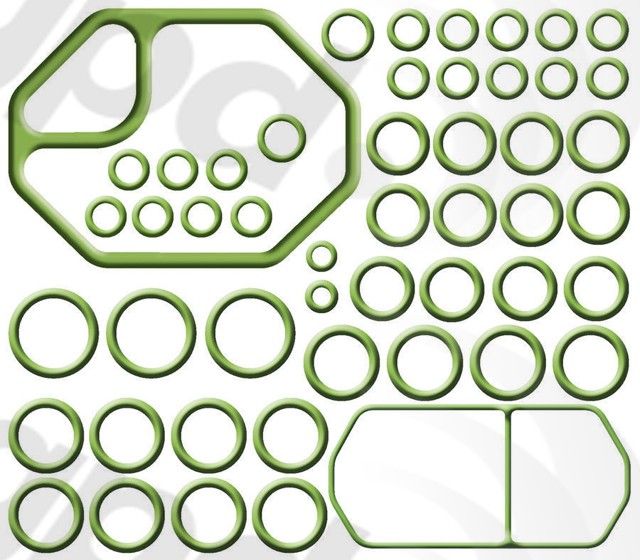
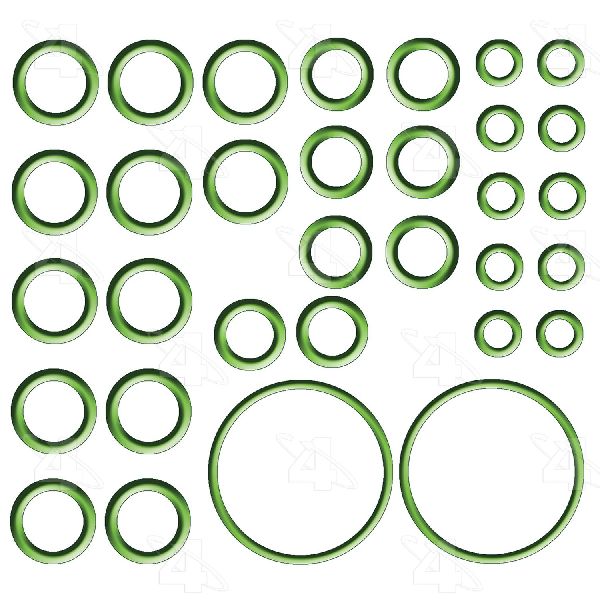
- Aftermarket kits from brands like Four Seasons or GPD are a cost-effective alternative to buying individual OEM o-rings.
- Always replace the o-rings on any A/C line you disconnect to prevent future leaks.
Is Your Element's A/C Blowing Warm Air?
If your Honda Element's air conditioning isn't as cold as it used to be, the most common reason is a refrigerant leak. These leaks often happen at the connection points sealed by o-rings. The rubber simply wears out from age, heat, and vibration. While a slow leak might take a year to become noticeable, a significant failure can cause your A/C to stop working in a matter of days. A visual sign of a leak is an oily residue at A/C line connections, as the refrigerant carries a special lubricating oil that escapes with it.
Symptoms of Failing A/C O-Rings
- Air not blowing cold: This is the most obvious symptom. The system doesn't have enough refrigerant to cool the air effectively.
- A/C works intermittently: The system might cool for a little while and then turn warm. This can happen when the refrigerant level is just on the edge of being too low for the compressor to cycle on.
- Hissing noise from the dash: While less common, a significant leak could sometimes be audible inside the cabin.
- Visible oily residue: You may see greasy dirt collected around A/C hose fittings in the engine bay. This is a tell-tale sign of a leak.
Professional Service Required
Replacing A/C o-rings is not a simple DIY job for most owners. The system must be legally and safely evacuated of any remaining refrigerant by a qualified technician before opening any lines. After the repair, the system needs a vacuum pulled to remove air and moisture, and then it must be recharged with the precise amount of R-134a refrigerant and PAG oil. Failure to do this correctly will result in poor performance and can damage A/C components.
Choosing the Right Aftermarket Kit
When you or your mechanic are replacing a major A/C component like the compressor or condenser, it is critical to replace all the o-rings you disconnect. Aftermarket o-ring kits are a cost-effective way to get all the seals you need in one package.
- OEM vs. Aftermarket: Honda dealers typically sell individual o-rings, which can be expensive and inconvenient. An aftermarket kit from a brand like Four Seasons or Global Parts (GPD) provides a complete set for the entire vehicle. For a part like an o-ring, the material is key. Ensure the kit uses HNBR (Hydrogenated Nitrile Butadiene Rubber), which is the standard for modern R-134a systems and is usually green.
- Brand Quality: Four Seasons is a well-known aftermarket A/C brand. While some of their parts get mixed reviews, their compressors and smaller components are generally considered reliable. Global Parts (GPD) is another common supplier. For o-ring kits in this price range, both brands should provide seals that meet the necessary specifications for your Element's A/C system. The most important factor is ensuring the kit is specified for your 2003-2011 Element to guarantee correct sizes.
| Part Type | Estimated Cost |
|---|---|
| New Aftermarket Kit (Four Seasons, GPD) | $18 - $19 |
| New OEM (Individual O-Rings) | $6 - $9 per o-ring |
| Shop Labor (Evacuate & Recharge) | $150 - $250 |
Pro Tip: Add UV Dye
When the system is recharged, ask the technician to add UV dye to the refrigerant oil. If a leak develops in the future, it will be much easier and faster to find using a blacklight, saving you money on diagnostic time.
Frequently Asked Questions
Do I need to replace all the o-rings at once?
It is highly recommended. If you are opening the system to replace one component, you should replace the o-rings on every connection you disconnect. The seals are inexpensive, and it's cheap insurance against having to do the job all over again due to another old seal failing.
Can I just use a can of A/C recharge with sealant?
It is strongly advised not to use A/C products with sealant. These products can clog the small passages in the expansion valve, receiver/drier, and condenser, leading to much more expensive repairs down the road. Proper repair involves finding the leak, replacing the failed part, and recharging the system correctly.
Are there any recalls for the Honda Element A/C system?
No, there are no specific recalls or technical service bulletins (TSBs) from Honda for failing A/C o-rings or systemic leaks on the 2003-2011 Element. Most issues are related to the normal aging of components.
What kind of refrigerant and oil does my Element use?
The 2003-2011 Honda Element uses R-134a refrigerant and DENSO ND-OIL 8 (a PAG 46 oil). Do not mix refrigerant types or oils, as this will cause severe damage to the A/C compressor.
Technical Specifications
OEM Part Numbers: 91303-P6R-003
Material: HNBR (Hydrogenated Nitrile Butadiene Rubber), Compatible with R-134a refrigerant and PAG oil.
We Have This Part in Stock

The information in this article is provided for general reference and educational purposes only. Vehicle specifications, procedures, and part compatibility can vary by production date, trim level, and region. Always consult your vehicle's factory service manual and verify part numbers before purchasing or performing repairs. Safety-critical components such as airbags, seat belts, and braking systems should be installed by a qualified professional.
- Honda Element: