

Honda Element Automatic Transmission Cooler: A Guide for 2003-2011 Models
Protect your Element's transmission from heat, its number one enemy, and avoid costly repairs.
- The factory transmission cooler is integrated into the radiator, creating a risk of catastrophic failure if coolant and transmission fluid mix.
- Installing an aftermarket external cooler from a brand like Hayden or Four Seasons is the best way to prevent this failure and extend transmission life.
- Symptoms of a problem include transmission overheating, fluid leaks, harsh shifting, and a burning smell.
- If your transmission fluid looks like a pink 'strawberry milkshake', stop driving immediately to prevent further damage.
Understanding Your Element's Transmission Cooling System
For the 2003-2011 Honda Element, the 'transmission cooler' is not a distinct part you can see under the hood. It's an integrated circuit within the bottom tank of the radiator. Hot automatic transmission fluid (ATF) is pumped from the transmission, through rubber hoses, into this section of the radiator to be cooled, and then circulated back to the transmission. This design is common and works well, but it has a significant weak point that owners should be aware of.
The 'Strawberry Milkshake of Death' (SMOD)
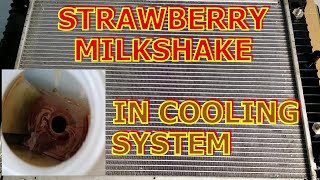
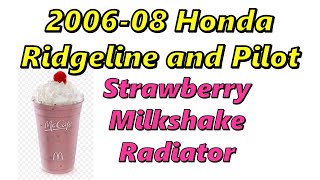
The most severe issue with the Element's stock cooling setup is the potential for the internal wall inside the radiator to fail. If this wall corrodes or cracks, engine coolant (antifreeze) and automatic transmission fluid will mix. This creates a pink, frothy substance that looks like a strawberry milkshake. 🎬 Watch: See what the 'Strawberry Milkshake of Death' looks like. This mixture is catastrophic for a transmission, as coolant destroys the clutch materials and sensitive internal components. This failure often requires a complete transmission replacement or rebuild, along with a new radiator and a thorough flushing of all lines.
Symptoms of a Failing Transmission Cooler or Overheating Transmission
Since the cooler is part of the radiator, symptoms often relate to general transmission overheating or fluid issues. Watch for these warning signs:
- Leaking Fluid: Red or brown fluid puddles under the front of your Element could indicate a leak from the cooler lines where they connect to the radiator.
- Transmission Slipping or Harsh Shifting: When fluid gets too hot, it loses its ability to lubricate and create pressure properly, leading to poor shifting performance.
- Burning Smell: Overheated ATF has a distinct, acrid burning smell.
- Warning Lights: A check engine light or a flashing 'D' on your instrument cluster can be triggered by transmission problems, including those caused by overheating. Common trouble codes include P0741, which points to a torque converter clutch issue that can be caused by fluid problems.
- Contaminated Fluid: If you check your transmission fluid and it looks milky, pink, or brown and burnt, it's a sign of a serious problem.
Choosing the Right Aftermarket Part: OEM Radiator vs. External Cooler
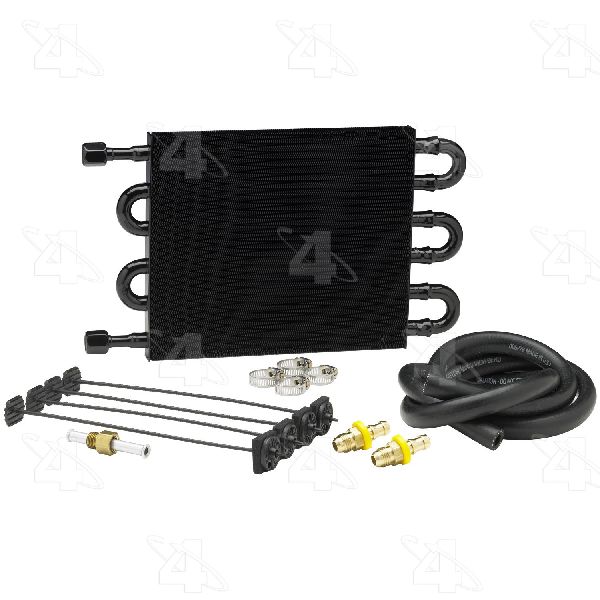
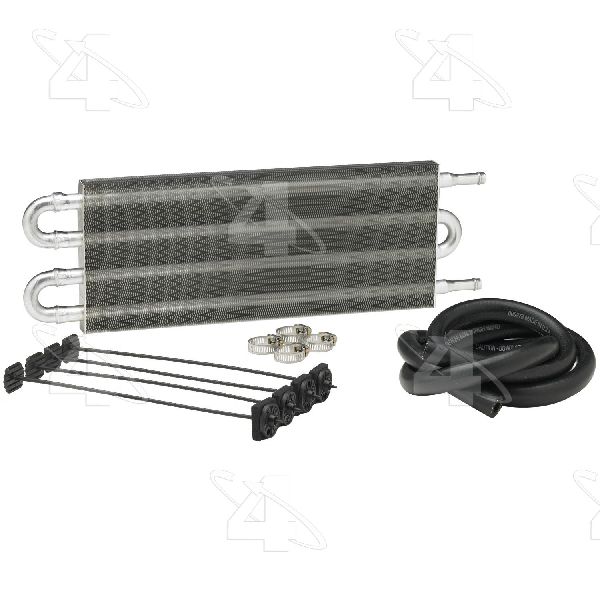
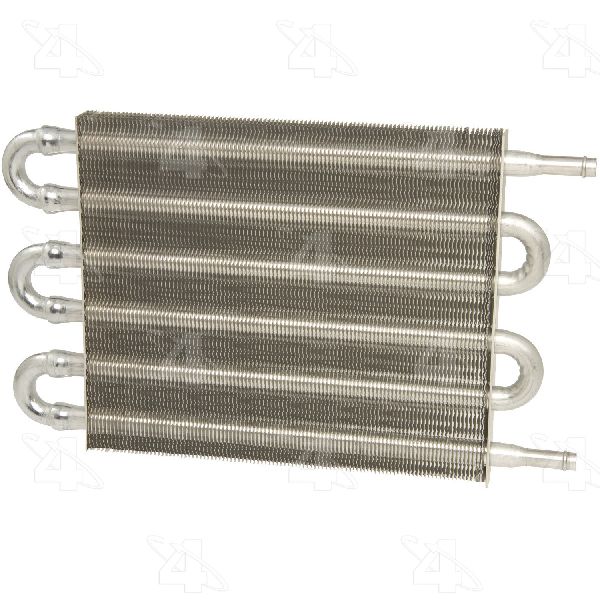
When shopping for a 'new aftermarket automatic transmission oil cooler,' you are typically looking at adding a standalone, external cooler—not replacing the factory one directly. This is a very common and highly recommended upgrade for Element owners.
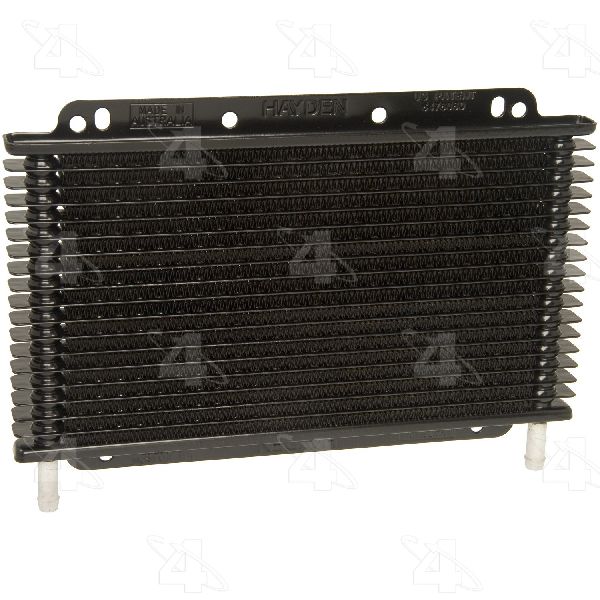
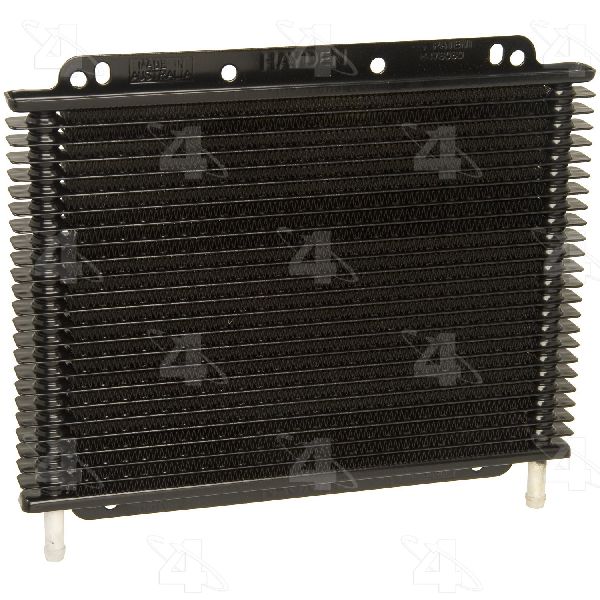
An external cooler bypasses the radiator's internal cooler entirely. This completely eliminates the risk of the 'strawberry milkshake' failure. The aftermarket parts available from brands like Hayden and Four Seasons are these types of external coolers.
Why Install an External Cooler?
Installing an external cooler is one of the best preventative maintenance actions you can take for your Element's automatic transmission. It's especially important if you live in a hot climate, tow a trailer, or frequently carry heavy loads. By isolating the transmission fluid from the engine coolant, you guarantee that a radiator failure cannot destroy your transmission.
Brand Quality: Hayden vs. Four Seasons
Both Hayden and Four Seasons are well-known brands in the aftermarket for cooling products. They offer universal-fit coolers that work well on the Honda Element. Forum discussions and user reviews suggest that both brands are considered reliable for this application. The most important factor is choosing the right type and size. A 'stacked plate' cooler is generally considered more efficient and durable than an older 'tube-and-fin' design. Both Hayden and Four Seasons offer efficient plate-style coolers.
Cost to Install an Aftermarket Transmission Cooler
| Part / Service | Estimated Cost | Notes |
|---|---|---|
| New Aftermarket Cooler Kit (Hayden, Four Seasons) | $50 - $100 | This is the price for the part itself. The provided inventory range of $51.93 - $95.39 fits here. |
| Shop Labor to Install | $170 - $350 | Labor can vary. It involves mounting the cooler, cutting factory lines, and routing new hoses. |
| New OEM Radiator (if replacing due to failure) | $270 - $400+ | For the part only. This would be needed if your original radiator has failed. |
Frequently Asked Questions (FAQ)
Do I have to install an external cooler?
No, but it is highly recommended as a preventative measure. If your stock radiator is working fine, you can add an external cooler and bypass the internal one to prevent future catastrophic failure. If your radiator fails, you must replace it, and at that time, it is the perfect opportunity to add an external cooler.
What is the difference between a 'tube-and-fin' and a 'stacked plate' cooler?
Tube-and-fin coolers are a basic design where fluid runs through a tube with fins attached to dissipate heat. Stacked plate coolers are a more modern, robust, and efficient design that forces the fluid through a series of plates, providing more surface area for cooling. For the small price difference, a stacked plate cooler is the superior choice.
Can I install an external transmission cooler myself?
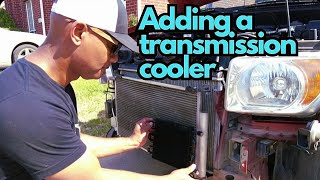
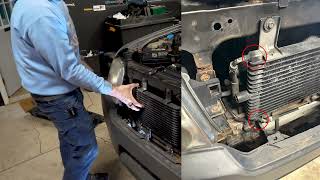
Yes, this is a feasible DIY project for someone with moderate mechanical skill. The process involves removing the front bumper, mounting the new cooler in front of the A/C condenser or radiator, and carefully cutting and connecting the transmission fluid lines. It is critical to ensure there are no leaks after installation.
🎬 Watch: Step-by-step guide to adding an external transmission cooler.If I install an external cooler, do I still use the one in the radiator?
You have two options: run it 'in-line' (from the radiator cooler into the new external cooler) or 'bypass' (cap the radiator ports and run the lines only to the new external cooler). To prevent the 'strawberry milkshake' failure, you must use the bypass method. 🎬 See how to perform a radiator bypass to protect your transmission. This completely separates the two systems.
Is there a recall on the Honda Element for the transmission cooler?
No, there are no recalls from Honda or NHTSA for the transmission cooler or radiator causing transmission failure. There was a product update (A08-097) for restricted radiators causing engine overheating and a safety recall (A11-050) for a software update to prevent transmission damage, but neither addresses the coolant/ATF mixing issue directly.
Helpful Videos

Technical Specifications
OEM Part Numbers: 19010-PZD-A51 19010-PZD-A01 19010-PZD-A62 19010-PZD-A12
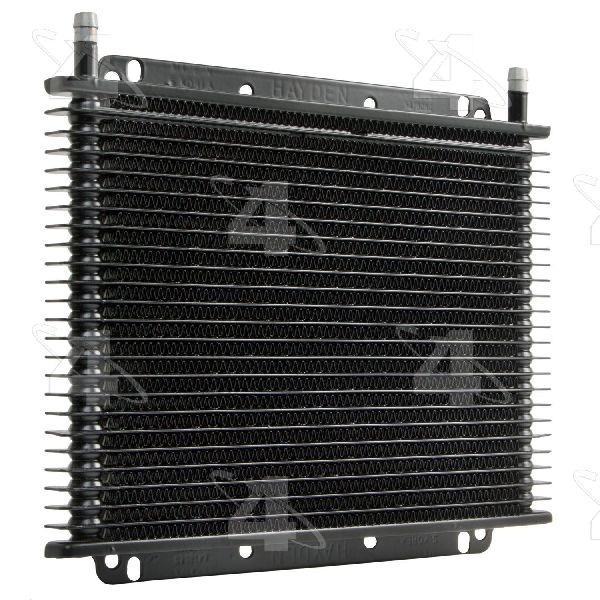
The factory cooler is an integrated heat exchanger within the OEM radiator assembly. Aftermarket coolers are typically external, air-to-fluid units. Common aftermarket sizes are around 11" x 9".
We Have This Part in Stock

The information in this article is provided for general reference and educational purposes only. Vehicle specifications, procedures, and part compatibility can vary by production date, trim level, and region. Always consult your vehicle's factory service manual and verify part numbers before purchasing or performing repairs. Safety-critical components such as airbags, seat belts, and braking systems should be installed by a qualified professional.
- Honda Element:
- 🎬 Helpful Videos
- 🛍️ Shop This Part
- Understanding Your Element's Transmission Cooling System
- The 'Strawberry Milkshake of Death' (SMOD)
- Symptoms of a Failing Transmission Cooler or Overheating Transmission
- Choosing the Right Aftermarket Part: OEM Radiator vs. External Cooler
- Why Install an External Cooler?
- Brand Quality: Hayden vs. Four Seasons
- Cost to Install an Aftermarket Transmission Cooler
- Frequently Asked Questions (FAQ)
- 🎟️ Get 5% Off