

Choosing the Right Aftermarket Brake Pads for Your 2003-2011 Honda Element
Stop guessing and find the perfect brake pads for your Element, whether you prioritize quiet stops, performance, or budget.
- The original pads are typically made by Akebono; choosing their aftermarket pads will give you a factory-like feel.
- Powerstop kits are a very popular and well-regarded upgrade among Element owners for a balance of performance and value.
- Always service the caliper slide pins. Sticking calipers are a known issue and can ruin a new set of pads quickly.
- It is highly recommended to replace or resurface your rotors at the same time as the pads to avoid vibration issues.
Signs Your Element's Brake Pads Are Failing
Your Honda Element will usually tell you when it's time for new brake pads. Don't ignore these signs, as worn pads can become a serious safety issue.
- Squealing or Screeching: Most brake pads have a small metal tab called a wear indicator. When the pad wears down, this tab scrapes against the rotor and makes a high-pitched noise. This is the earliest warning sign.
- Grinding Noise: If you hear a loud, metallic grinding, it means the pad material is completely gone. The metal backing plate of the pad is now grinding against the rotor, which can cause serious damage and reduce your stopping power.
- Spongy or Soft Brake Pedal: If your brake pedal feels softer than usual or goes closer to the floor, it could be a sign of worn pads or a problem in the brake hydraulic system. Some owners have noted this issue, which was sometimes related to the master cylinder.
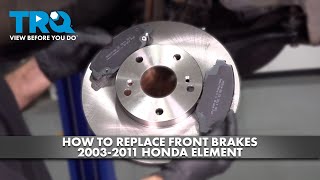
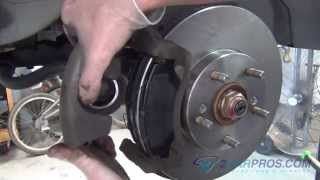
- Vibration When Braking: A pulsing or vibrating feeling in the brake pedal or steering wheel often points to warped brake rotors. Warped rotors are often caused by heat from braking and it's recommended to replace pads and rotors at the same time. 🎬 Watch: Step-by-step front brake pad and rotor replacement guide.
Choosing the Right Aftermarket Brake Pads
The original (OEM) brake pads for the Honda Element are often made by Akebono and are a high-quality ceramic pad. However, many aftermarket brands offer excellent, and sometimes better, performance for your specific needs. Aftermarket pads are a great option and can even be an upgrade over stock. Here’s how to choose.
Brake Pad Tiers for Your Element
We can group the available brands into three main categories based on quality, performance, and owner feedback.
Tier 1: OEM-Quality & Premium Brands
These brands provide performance equal to or better than the original Honda pads. They are perfect for daily driving, offering a great balance of quiet operation, low dust, and reliable stopping power.
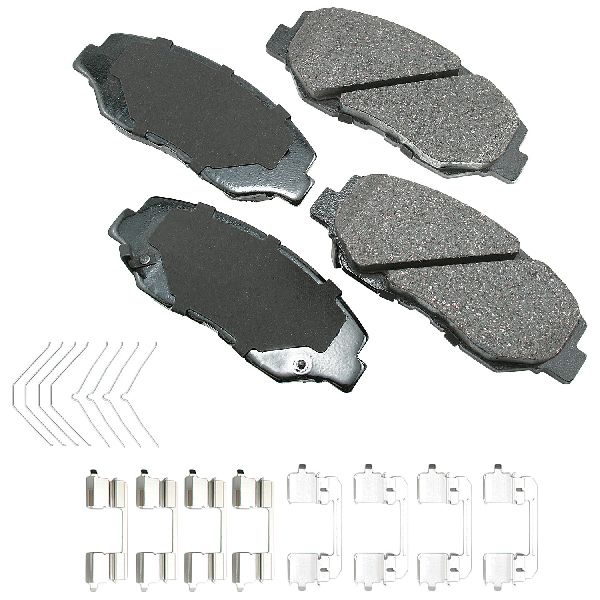
- Akebono: Widely considered the OEM supplier for Honda. Their Pro-ACT and Performance Ultra Premium lines are highly recommended for a quiet, low-dust, factory-like feel.
- Advics: Another top-tier OEM supplier, known for excellent quality, quiet operation, and long life. They offer specific front and rear pad sets for the 2003-2011 Element.
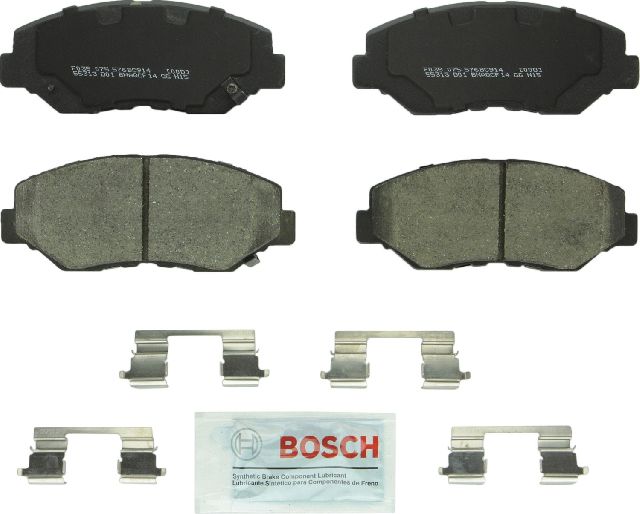
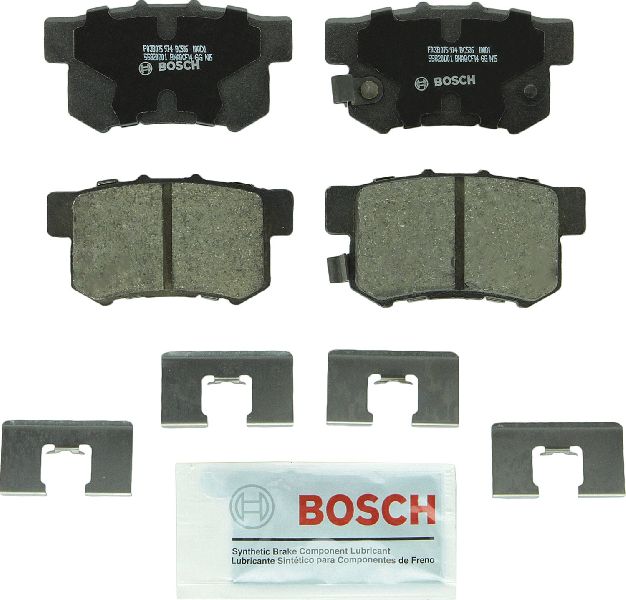
- Bosch: The QuietCast line is a popular premium choice, known for being quiet and reliable. Many kits come complete with new hardware.
- Brembo: A legendary name in braking, offering premium ceramic pads that provide excellent stopping power for daily use.
Tier 2: Performance & Heavy-Duty Brands
If you use your Element for towing, live in a hilly area, or just want more initial bite from your brakes, these brands are for you. They may produce slightly more dust or noise than premium ceramic pads.
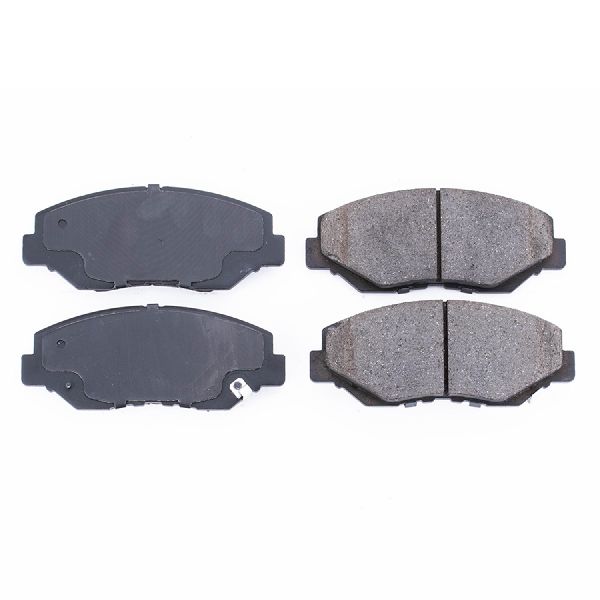
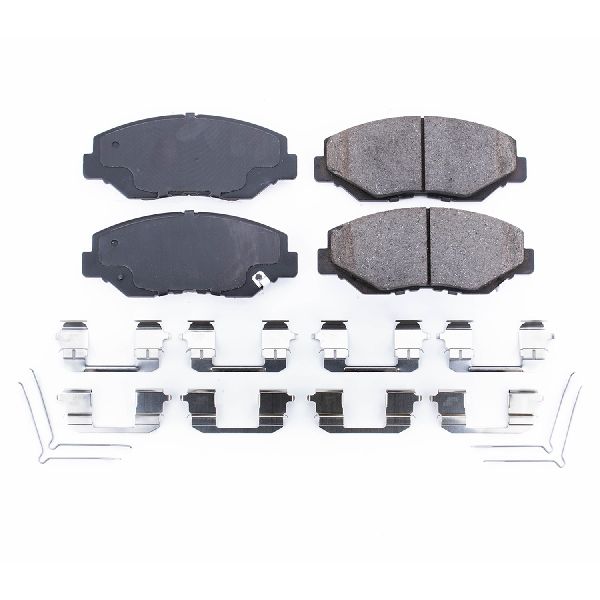
- Powerstop: A very popular choice among Element owners, especially their Z16, Z17, and Z23 kits which often include new rotors. They are praised for good performance and solving brake dust issues.
- Hawk Performance: Offers various compounds for different uses, from street performance to more aggressive applications. A solid choice for drivers wanting a noticeable increase in stopping power.
- EBC Brakes: Known for their performance-oriented pads, EBC offers different compounds like their Greenstuff and Yellowstuff lines for improved braking.
- StopTech: A well-regarded performance brand that offers street-focused pads that are an upgrade over stock.
Tier 3: Daily Driver & Economy Brands
These brands offer reliable, safe braking for everyday use at a more budget-friendly price. They are a solid choice for a daily commuter.
- Raybestos: Their Element3 line with EHT pads is a good, affordable option that many owners are happy with.
- Centric: Often recommended on forums, Centric provides good quality for the price and is a popular choice on parts sites.
- Wagner Brakes: A long-standing brand offering dependable pads that meet or exceed federal standards.
- Bendix: A reliable brand that offers quality pads suitable for everyday driving.
Known Issues, Recalls, and TSBs
While there are no specific recalls for the brake pads themselves, a few related items are worth noting:
- TSB A03-033 (January 2004): Honda issued a Technical Service Bulletin for a "clicking noise from the front brakes" on early models. This was addressed with updated pad hardware.
- Recall A10-017 (April 2010): Some models were recalled for a VSA (Vehicle Stability Assist) modulator issue that could cause a low or soft brake pedal. This is not a pad issue, but it affects braking feel.
- Warped Rotors: A common complaint is that the Element's brake rotors tend to warp easily, causing vibration. It is highly recommended to inspect your rotors and replace them if they are warped, grooved, or below the minimum thickness specification.
| Tier | Typical Price Range (Pads Only, Per Axle) | Best For |
|---|---|---|
| Premium (Akebono, Advics) | $50 - $100 | OEM feel, low noise, low dust |
| Performance (Powerstop, Hawk) | $60 - $150 | Towing, spirited driving, more bite |
| Daily Driver (Raybestos, Centric) | $25 - $55 | Budget-conscious daily commuting |
Frequently Asked Questions
Should I replace my rotors at the same time as my pads?
It's highly recommended, especially on the Element which is known for warped rotors. At a minimum, you should have the rotors measured to ensure they are thick enough to be resurfaced. Installing new pads on old, warped, or grooved rotors will shorten the life of the new pads and lead to poor performance.
What's the difference between ceramic and semi-metallic pads?
Ceramic pads, like the OEM Akebono pads, are known for being very quiet and producing very little dust, which keeps your wheels cleaner. Semi-metallic pads can offer better performance in extreme heat and have a stronger initial "bite," but they tend to be noisier and create more black dust.
How often do I need to replace my Element's brake pads?
This depends heavily on your driving style. A general estimate is every 50,000 miles, but it could be more or less. If you do a lot of city driving with stop-and-go traffic, you'll wear them out faster than someone who drives mostly on the highway.
Is replacing brake pads a DIY job?
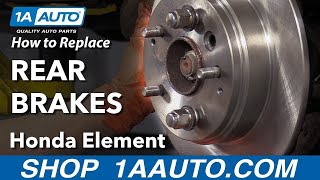
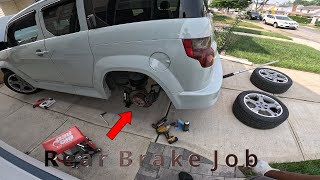
Yes, for many people it is. It's a common and straightforward job for a home mechanic. You will need a floor jack, jack stands, a basic socket set, a C-clamp or caliper compression tool, and brake grease. The rear calipers on the Element require a special tool to turn the piston back into the caliper.
🎬 Watch this walkthrough for replacing rear pads and rotors.Helpful Videos
Technical Specifications
OEM Part Numbers: 45022-SCV-A01 06450-SCV-A03 43022-SCV-A01 43022-SCV-A00
The 2003-2011 Honda Element uses disc brakes on both the front and rear axles. The front pads are larger than the rear pads. The rear caliper piston must be rotated to be compressed, requiring a special tool.
We Have This Part in Stock

The information in this article is provided for general reference and educational purposes only. Vehicle specifications, procedures, and part compatibility can vary by production date, trim level, and region. Always consult your vehicle's factory service manual and verify part numbers before purchasing or performing repairs. Safety-critical components such as airbags, seat belts, and braking systems should be installed by a qualified professional.
- Honda Element: