

A Practical Guide to Replacing Your 2003-2011 Honda Element Radiator
Keep your Element's K24 engine from overheating by making an informed radiator choice.
- Radiator failure often involves cracks in the plastic end tanks or leaks from the seams.
- High-quality aftermarket brands like Denso, Koyorad, and CSF offer excellent value and reliability for the Element.
- Replacing the radiator is a manageable DIY job for those with basic tools, but it can be messy.
- Always use Honda Type 2 (blue) coolant and consider replacing the radiator cap and hoses at the same time.
Is Your Element's Radiator Failing?

A radiator problem can quickly lead to serious engine damage if ignored. The original radiators on the Honda Element are durable, but they don't last forever. The most common failures are cracks in the plastic tanks on the top and bottom, or leaks developing where the plastic tanks are crimped to the aluminum center (core). Look for these tell-tale signs:
- Engine Overheating: The temperature gauge climbing into the red is a classic sign the cooling system isn't working. This often happens when idling or in stop-and-go traffic.
- Visible Coolant Leaks: You might see puddles of green or blue liquid under the front of your vehicle. Sometimes, you'll see white or colored crusty residue on the radiator itself where coolant has leaked and dried.
- Low Coolant Level: Frequently needing to add coolant to the overflow reservoir is a sure sign of a leak somewhere in the system.
- Sludgy or Rusty Coolant: If the coolant in your reservoir looks brown, rusty, or oily, it can indicate internal corrosion or contamination, which can clog the radiator.
A Note on a Honda Service Bulletin
Honda issued a Product Update (A08-097) for some 2003-2005 Elements concerning contaminated factory coolant that could clog the radiator and heater core. This could lead to poor heater performance or engine overheating. While the program to fix this for free has expired, it highlights the importance of using the correct Honda Type 2 coolant and flushing the system during a radiator replacement.
Choosing the Right Aftermarket Radiator

When replacing your Element's radiator, you have a choice between another original Honda part (OEM) or an aftermarket part. For this vehicle, the quality gap is not as wide as you might think.
- OEM (Original Equipment Manufacturer): The original radiator is made by Denso. Buying a genuine Honda part guarantees a perfect fit and quality, but it is the most expensive option.
- Aftermarket: Aftermarket parts are made by other companies. The quality can range from excellent to poor. For the Element, high-quality aftermarket brands offer performance that is equal to or even better than the original, at a much lower price.
Aftermarket Brand Tiers
Not all aftermarket brands are created equal. Here’s a breakdown of the brands available for your Element, based on owner experiences and industry reputation.
Tier 1: Premium & Performance Brands
These brands are known for high-quality materials and construction, often exceeding original specifications. They are a top choice for owners who want the best durability and cooling performance.
- Koyorad: Often considered a top-tier choice, Koyorad radiators are praised for their build quality, excellent welds, and perfect fit. They are a favorite in the import performance community.
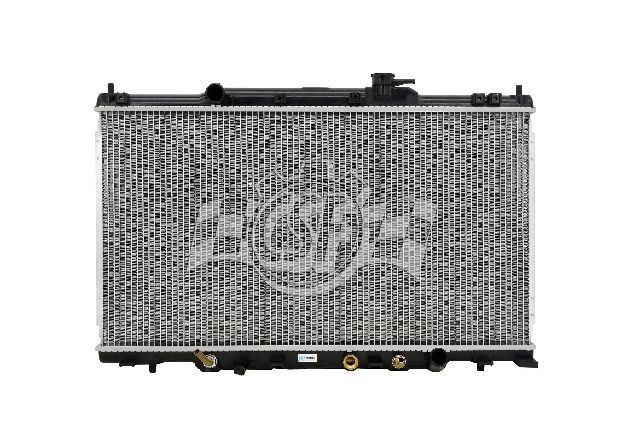
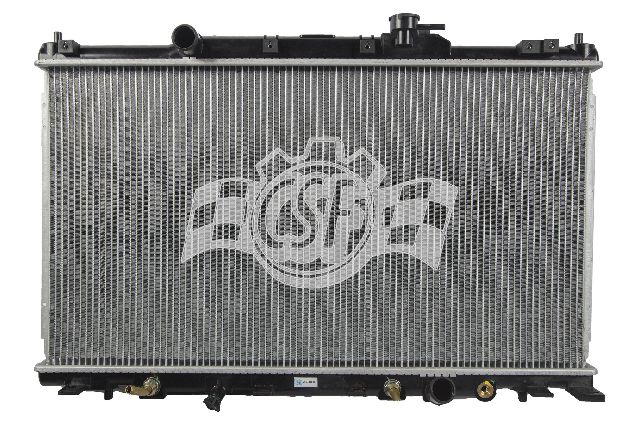
- CSF: Another highly-regarded brand, CSF offers radiators known for their solid construction and reliability. They are a popular and trusted choice among mechanics and DIYers.
Tier 2: OEM-Equivalent Brands
These brands aim to match the fit and performance of the original part. They are a reliable and cost-effective choice for a daily driver.
- Denso: As the original manufacturer for Honda, a Denso-branded aftermarket radiator is essentially the same part you'd get from the dealer, but often at a lower price and without the Honda logo.
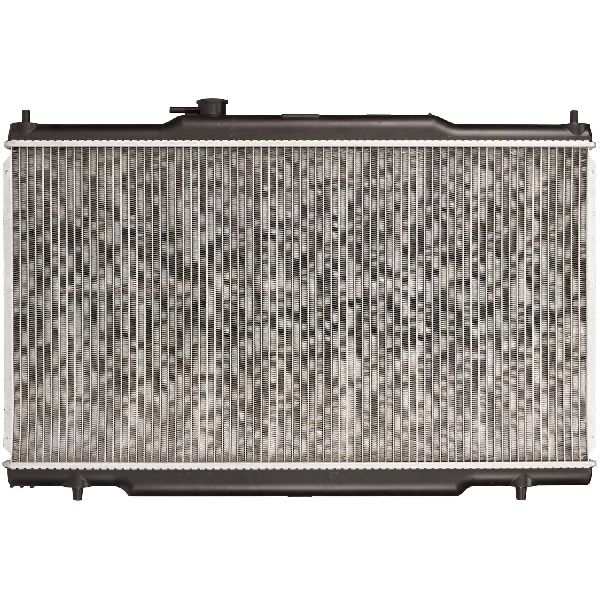
- Spectra Premium: A widely available and popular brand that generally offers good quality and fit. They are a solid, dependable replacement option.
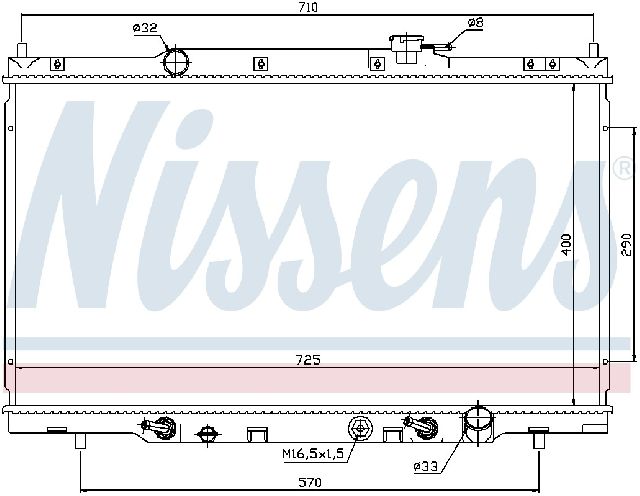
- Nissens: A well-respected European brand known for producing quality cooling system components.
Tier 3: Economy Brands
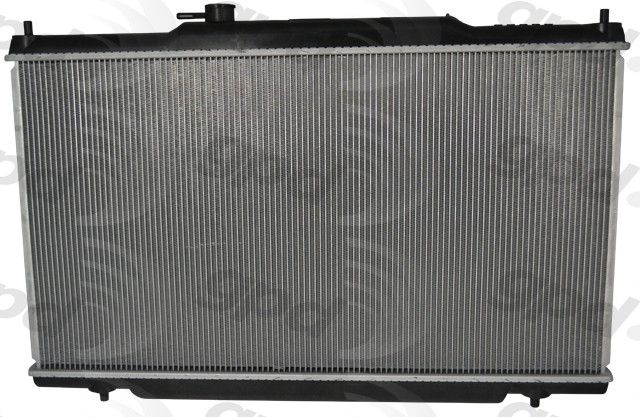
These are budget-friendly options. While they can do the job, their long-term durability and fit may not be as consistent as the higher-tier brands. This category includes brands like APDI, Global Parts, Onix, and One Stop Solutions.
Pro Tip: Don't Forget the Cap and Hoses!
When you replace your radiator, it's the perfect time to also replace the radiator cap and inspect the upper and lower radiator hoses. A new cap ensures the system holds the correct pressure. Old, soft, or bulging hoses are a common failure point and are much easier to replace when the system is already drained.
Cost of Replacing a Honda Element Radiator

The cost can vary based on who does the work and the parts you choose. The replacement is a manageable DIY project for those with some experience.
| Item | Estimated Cost |
|---|---|
| New Aftermarket Radiator (DIY) | $100 - $168 |
| New OEM Radiator (Part Only) | $267 - $381 |
| Shop Labor | $244 - $358 |
| Total Professional Replacement (Aftermarket Part) | $344 - $526 |
| Total Professional Replacement (OEM Part) | $511 - $739 |
Frequently Asked Questions

Is replacing the radiator a difficult job to do myself?
For a DIYer with basic tools, replacing the radiator on a Honda Element is considered relatively easy. It involves draining the coolant, removing plastic covers, disconnecting hoses and fans, and swapping the part. The main challenge is that it can be a bit messy. You will need to transfer the cooling fans and rubber mounting bushings from your old radiator to the new one.
Do I need a different radiator for an automatic vs. a manual transmission?
Yes, but most aftermarket radiators are designed to be universal. Radiators for automatic transmission Elements have a built-in cooler with two extra ports at the bottom for the transmission fluid lines. Aftermarket radiators typically include these ports. If you have a manual transmission, you simply leave the caps on these extra ports.
What is a petcock?
The petcock is the small plastic drain plug at the bottom of the radiator. You'll loosen it to drain the old coolant. Be gentle, as they can become brittle and break. Always make sure it's tight after you're done to prevent leaks.
What type of coolant should I use?
It is highly recommended to use genuine Honda Long Life Antifreeze/Coolant Type 2 (the blue kind). Using other types of coolant can lead to corrosion and cooling system problems down the road. When refilling, you'll need to properly bleed the air out of the system to prevent overheating issues.
Helpful Videos
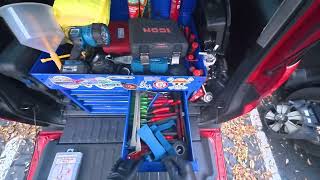
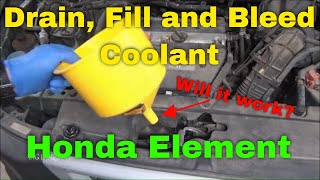
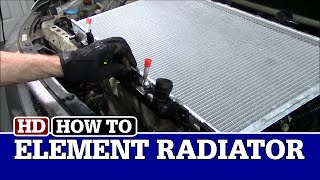
Technical Specifications
OEM Part Numbers: 19010-PZD-A51 19010-PZD-A01 19010-PZD-A62 19010-PZD-A12
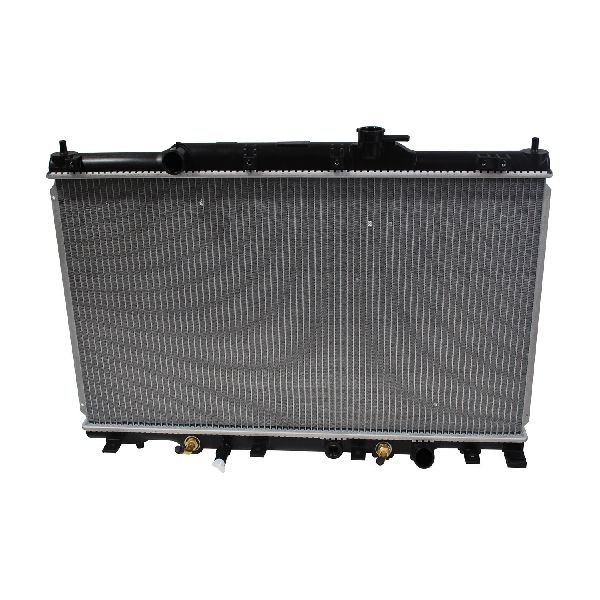
The standard radiator for the 2003-2011 Honda Element features an aluminum core with plastic tanks. It has a core height of approximately 15.7 inches and a core width of about 29 inches. All models for automatic transmissions include an integrated transmission oil cooler.
We Have This Part in Stock

The information in this article is provided for general reference and educational purposes only. Vehicle specifications, procedures, and part compatibility can vary by production date, trim level, and region. Always consult your vehicle's factory service manual and verify part numbers before purchasing or performing repairs. Safety-critical components such as airbags, seat belts, and braking systems should be installed by a qualified professional.
- Honda Element: