

Honda Element Windshield Washer Pump Replacement Guide (2003-2011)
If your washer fluid isn't spraying, a failed pump is the likely cause—here's what you need to know.
- The Honda Element has two identical washer pumps (front/rear) located on the reservoir behind the front bumper.
- Failure is common and easily diagnosed: if you hear no motor sound, the pump is likely dead.
- Replacement is a straightforward DIY job; the main step is removing the front bumper cover for access.
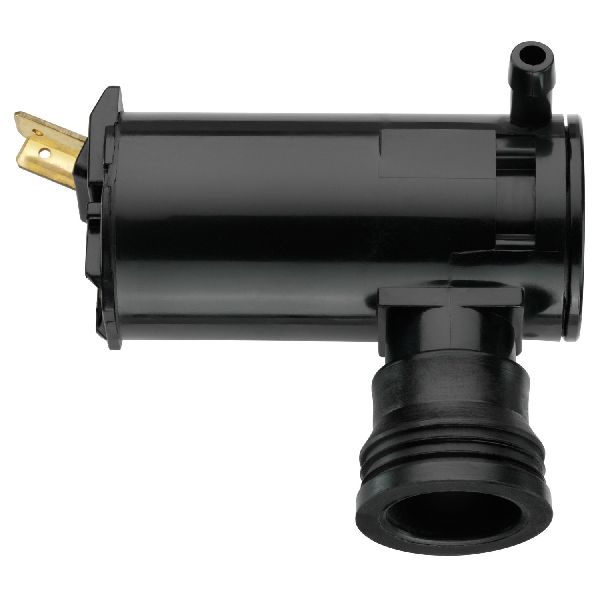
- A quality aftermarket pump from a brand like Trico is a reliable and cost-effective alternative to the more expensive OEM part.
Is Your Honda Element Washer Pump Failing?
A failing windshield washer pump on your 2003-2011 Honda Element is usually easy to diagnose. The most common sign is a complete lack of washer fluid spraying onto the glass when you activate the switch. If you don't hear the distinct humming or whirring sound of the motor when you try to use the washers, the pump has likely failed. Since the Element uses two pumps, one for the front and one for the rear, a common scenario is for one to stop working while the other is fine. This is a clear sign that the issue is with a specific pump and not a fuse or clog affecting the whole system.
Before You Replace
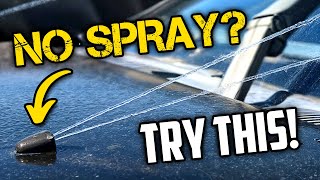
Always check the basics first. Make sure your washer fluid reservoir is full. Then, check the washer nozzles on the hood and rear door for clogs from wax or debris. A simple test is to listen for the pump's motor; if you hear it running but see no fluid, you might have a clog or a cracked hose. 🎬 Watch: How to diagnose weak spray, clogs, or pump failure. If you hear nothing, the pump itself is the most likely culprit.
Choosing a New Aftermarket Washer Pump
For a part like a washer pump, an aftermarket replacement is a smart and cost-effective choice. The original Honda pumps are reliable, but they are simple electric motors that don't require complex engineering. Quality aftermarket brands like Trico produce pumps that meet or exceed the original specifications and offer excellent value. Given that the function is straightforward—moving fluid from point A to point B—there is little to no performance difference between an OEM and a quality aftermarket pump for this specific job. The key is to ensure the part is listed as a direct fit for your 2003-2011 Element to guarantee the electrical connector and mounting grommet are correct.
Known Issues, Recalls, or TSBs
There are no specific recalls or Technical Service Bulletins (TSBs) from Honda for the windshield washer pump on the 2003-2011 Element. However, Honda has noted in a general service bulletin that using incorrect washer fluid—specifically those containing ingredients like phosphoric acid or certain surfactants—can cause plastic components in the washer system, including the pump nozzles, to deteriorate and fail. Always use a fluid specifically labeled as "windshield washer fluid."
Cost of Replacing a Honda Element Washer Pump
| Part Type | Estimated Cost |
|---|---|
| New Aftermarket (Trico) | $24.07 |
| New OEM (Honda) | $100 - $110 |
| Shop Labor | $105 - $135 |
DIY Installation
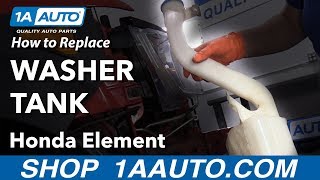
Replacing the washer pump is a very feasible DIY project for most owners. Accessing the pumps requires removing the front bumper cover. While this sounds intimidating, it's mostly a matter of removing plastic clips and a few bolts. Some owners report being able to access the pumps by just removing the fender liner in the wheel well. The pumps themselves are simply pushed into a rubber grommet on the washer reservoir. The entire job can typically be done in about an hour with basic hand tools.
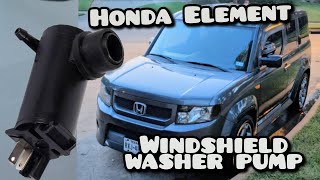
🎬 See this walkthrough for replacing the front windshield washer pump.Frequently Asked Questions
Does the Honda Element use one or two washer pumps?
The 2003-2011 Honda Element uses two separate but identical washer pumps. They are both located on the washer fluid reservoir behind the front bumper. One pump is dedicated to the front windshield and the other to the rear window.
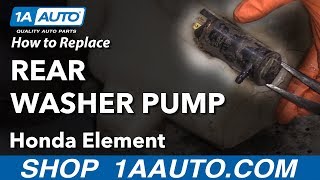
🎬 Watch: Step-by-step guide to replacing the rear window washer pump.Is it difficult to replace the washer pump myself?
For a DIYer with basic tools, this is a relatively easy job. The main challenge is removing the front bumper cover to get access. Once you can reach the reservoir, the pump pulls straight out of its grommet. You just need to disconnect one electrical plug and one fluid hose. Many video tutorials are available online to guide you through the bumper removal process.
How do I know if it's the pump or just a clogged nozzle?
Listen for the sound of the pump motor when you try to spray fluid. If you hear a humming sound but no fluid comes out, the problem is likely a clog in the lines or at the spray nozzle itself. If you hear no sound at all, and you've confirmed the reservoir is full, the pump motor has most likely failed.
Will an aftermarket pump last as long as the original Honda part?
For a simple component like a washer pump, a quality aftermarket part from a reputable brand like Trico should provide a long service life, comparable to the original. The failure point is often the small electric motor, and aftermarket manufacturers are very capable of producing reliable replacements for this type of part. Using the correct type of washer fluid is also critical for the longevity of any pump, OEM or aftermarket.
Helpful Videos

Technical Specifications
OEM Part Numbers: 38512-SCV-A02 38512-S3V-A01
The 2003-2011 Honda Element uses two identical pumps for the front and rear washers. They are push-fit into grommets on the washer fluid reservoir and have a two-prong electrical connector.
We Have This Part in Stock

The information in this article is provided for general reference and educational purposes only. Vehicle specifications, procedures, and part compatibility can vary by production date, trim level, and region. Always consult your vehicle's factory service manual and verify part numbers before purchasing or performing repairs. Safety-critical components such as airbags, seat belts, and braking systems should be installed by a qualified professional.
- Honda Element: