

Honda Pilot Catalytic Converter: A Guide for 2003-2011 Models
Facing a P0420 or P0430 check engine light on your Pilot? Here's what you need to know before you buy a new catalytic converter.
- The most common failure codes are P0420 and P0430; P0420 is typically for the rear converter (Bank 1) and P0430 is for the front (Bank 2).
- Always fix the root cause of the failure (like misfires or oil burning) before installing a new converter to avoid repeat damage.
- You must buy a CARB-compliant converter if your Pilot is registered in California, New York, or a similar state.
- It is highly recommended to replace the upstream and downstream oxygen sensors when you replace a catalytic converter.
Is Your Honda Pilot's Catalytic Converter Failing?

If your check engine light is on, your Pilot's computer has likely stored a trouble code. The most common codes for a failing catalytic converter are P0420 and P0430. These codes mean the converter's efficiency is below the required threshold. However, other symptoms can also point to a bad converter.
- Reduced Power: The engine may feel sluggish, especially when accelerating.
- Rotten Egg Smell: A sulfur-like smell from the exhaust is a classic sign of a failing converter.
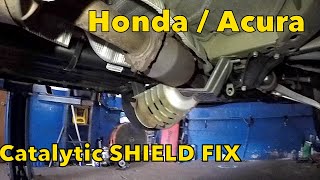
- Rattling Noise: The internal honeycomb structure can break apart over time, causing a rattling sound from under the vehicle. 🎬 See how to fix a common rattling heat shield without replacing parts.
- Failed Emissions Test: This is often the first time owners discover a problem, as the converter is no longer cleaning the exhaust gases properly.
Don't Ignore the Root Cause
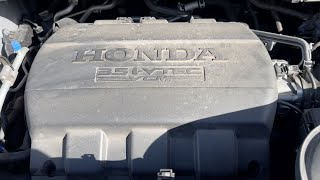
A catalytic converter usually fails because of another problem. Common causes include engine misfires, burning oil or coolant, or a faulty oxygen sensor. Before spending money on a new converter, it's crucial to diagnose and fix the underlying issue. 🎬 Watch: How to check if a PCV valve is causing your codes. Otherwise, you risk damaging the new part as well.
Choosing the Right Aftermarket Converter

When replacing the converter on your 2003-2011 Pilot, you'll find many aftermarket options. OEM (Original Equipment Manufacturer) parts from Honda are very expensive, often costing over $1,000 per converter. Aftermarket parts offer a more affordable solution, but quality and fit can vary. They can be grouped into tiers.
Brand Tiers for Your Honda Pilot
- Premium Direct-Fit (MagnaFlow, Walker): These brands are well-regarded for quality and durability. They often use stainless steel construction and are designed to bolt on without modification. While more expensive than economy options, they provide a good balance of performance and longevity, making them a solid choice for owners who plan to keep their Pilot for years.
- Standard Direct-Fit (AP Exhaust, Eastern Catalytic): These brands offer a good middle ground. They are designed to match OEM specifications for an easier installation and come with warranties, typically around 5 years or 50,000 miles. Owner reviews suggest they are a reliable choice for fixing check engine light codes without the high cost of premium brands.
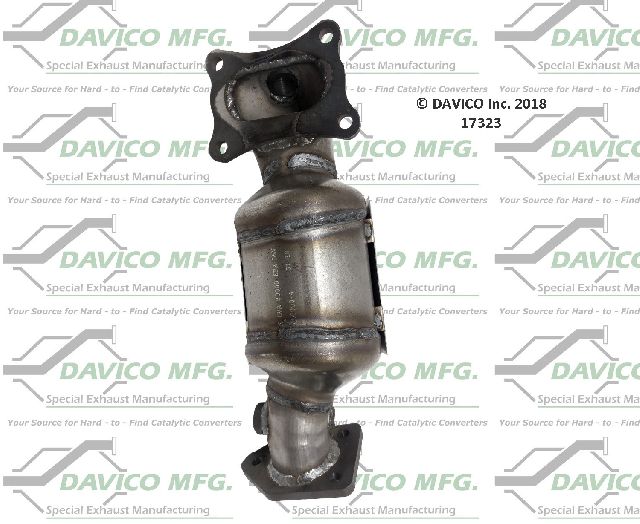
- Economy (Davico, Evan Fischer, Original Performance): These are the most budget-friendly options. While tempting, be aware that some owners report issues with fitment, requiring extra work during installation. Their lower cost often comes from using fewer precious metals in the catalyst, which can lead to a shorter lifespan and the check engine light returning sooner than with higher-quality brands.
EPA vs. CARB: A Critical Choice
Before you buy, check your state's emissions requirements. If you live in California, New York, or another state that has adopted California Air Resources Board (CARB) standards, you MUST install a CARB-compliant converter. These parts are more expensive because they have a higher loading of precious metals to meet stricter standards. Installing a non-CARB (Federal/EPA) part in a CARB state is illegal and will result in a failed emissions test.
What to Expect for Costs

Prices can vary widely based on the brand you choose and labor rates in your area.
| Item | Estimated Cost |
|---|---|
| New Aftermarket Converter (Part Only) | $133 - $1,134 |
| New OEM Converter (Part Only) | $950 - $2,500+ |
| Shop Labor | $290 - $600+ |
| Total Aftermarket Replacement (Installed) | $425 - $1,750+ |
| Total OEM Replacement (Installed) | $1,250 - $3,100+ |
Frequently Asked Questions

What are the P0420 and P0430 codes?
P0420 refers to "Catalyst System Efficiency Below Threshold (Bank 1)" and P0430 is the same for "Bank 2". Your Pilot's V6 engine has two banks of cylinders, and each has its own catalytic converter. Bank 1 is typically the rear converter, closer to the firewall, and Bank 2 is the front converter, near the radiator. 🎬 Watch this step-by-step guide to replacing the Bank 2 front converter. These codes mean the oxygen sensors are detecting that the converter is no longer cleaning the exhaust effectively.
Can I just clean my catalytic converter?
While there are fuel additives that claim to clean catalytic converters, they are not a permanent solution for a converter that is physically damaged, melted, or clogged. These products might temporarily turn off the check engine light, but they cannot restore a failed converter. If the internal honeycomb is broken, replacement is the only real fix.
Do I need to replace my oxygen sensors at the same time?
It is highly recommended. Oxygen sensors play a key role in monitoring the converter's performance. An old, slow-reacting sensor can sometimes be the cause of the P0420/P0430 code. Replacing the sensors with the converter ensures the whole system is working with fresh components and can prevent future issues. Many professional mechanics will insist on it.
How long will an aftermarket converter last?
Lifespan depends heavily on the brand and the health of your engine. A premium aftermarket converter from a brand like MagnaFlow or Walker can last for many years, while cheaper economy converters may only last a couple of years before the check engine light returns. Most aftermarket converters come with a 5-year/50,000-mile warranty on the body and a 25,000-mile emissions performance warranty.
Helpful Videos

Technical Specifications
OEM Part Numbers: 18190-RGL-A00 18160-RCA-S00 18160-PVF-A00 18150-5J6-A10
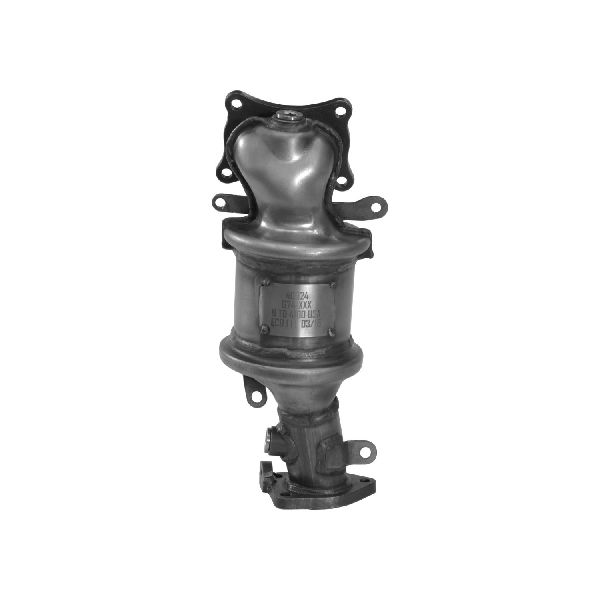
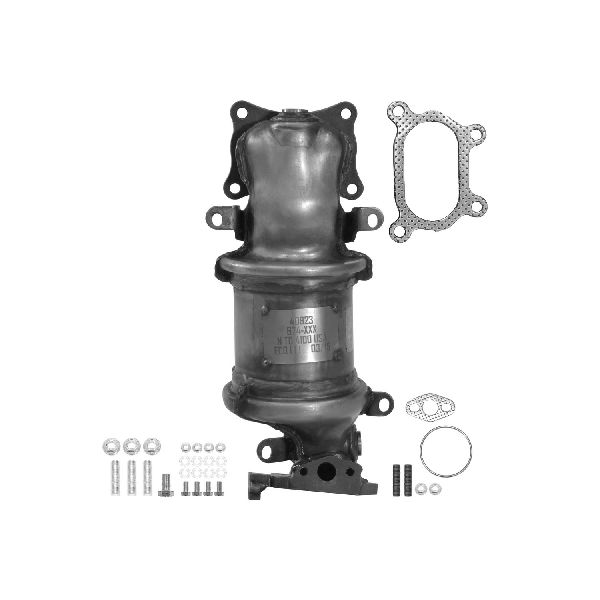
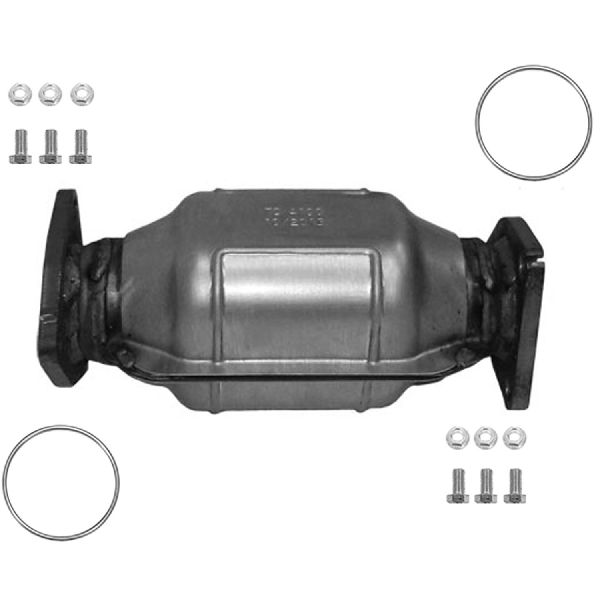
The 2003-2011 Honda Pilot uses multiple catalytic converters, including manifold converters (integrated with the exhaust manifold) for the front (Bank 2) and rear (Bank 1) cylinder banks, and potentially a third converter downstream. Replacements are typically direct-fit and bolt-on, though rusted hardware is a common challenge.
We Have This Part in Stock

The information in this article is provided for general reference and educational purposes only. Vehicle specifications, procedures, and part compatibility can vary by production date, trim level, and region. Always consult your vehicle's factory service manual and verify part numbers before purchasing or performing repairs. Safety-critical components such as airbags, seat belts, and braking systems should be installed by a qualified professional.
- Honda Pilot: