

A Mechanic's Guide to the 2003-2011 Honda Pilot Direct Ignition Coil
If your Pilot's V6 is running rough, a bad ignition coil is a likely culprit—here's how to fix it right.
- A flashing check engine light means a severe misfire is occurring; pull over and shut off the engine to prevent catalytic converter damage.
- For 2009-2011 models, investigate TSB 13-082 for oil-fouled spark plugs before assuming a bad coil is the cause of your misfire.
- Choose OEM-quality aftermarket brands like Denso or NGK for the most reliable, long-lasting repair.
- The three coils at the rear of the engine are difficult to access; consider replacing all three if one fails to save future labor.
Is Your Pilot's Ignition Coil Failing?


Ignition coil failure is a common issue on many vehicles as they age, including the Honda Pilot. The constant exposure to high heat and vibration in the engine bay eventually causes the coil's internal windings to break down. When a coil starts to fail, it can't produce the strong spark needed for clean combustion. This leads to a variety of noticeable engine performance problems.
Symptoms of a Bad Ignition Coil
A failing ignition coil on your Pilot will make itself known. You will likely experience one or more of these signs:
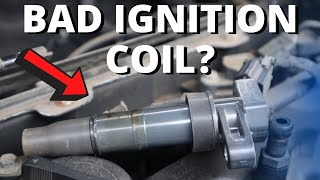
🎬 Watch: A visual guide to common bad ignition coil symptoms.- Check Engine Light: This is often the first warning. The light may be steady or, in severe cases, flashing. A flashing light signals a serious misfire that can damage your catalytic converter, and you should pull over and shut off the engine as soon as it is safe to do so.
- Rough Idle and Misfires: Your engine may shake, sputter, or sound uneven when you're stopped at a light. You'll feel a shudder or hesitation as the engine struggles to run smoothly on fewer than six working cylinders.
- Poor Acceleration: With one cylinder not contributing fully, your Pilot will feel sluggish and underpowered when you try to accelerate.
- Worse Gas Mileage: When a cylinder misfires, unburnt fuel is wasted, and you'll find yourself filling up the tank more often.
Important Note for 2009-2011 Pilot Owners
Honda issued a Technical Service Bulletin (TSB 13-082) for 2009-2013 Pilots concerning engine misfires (codes P0301-P0304) caused by spark plugs becoming fouled with oil due to a piston ring issue. The symptoms are identical to a bad ignition coil. Before replacing coils, it is critical to have a mechanic inspect the spark plugs on the affected cylinders. If they are oil-fouled, the issue is more complex than a simple coil replacement. Replacing coils will not fix this underlying problem.
Choosing the Right Aftermarket Ignition Coil

When shopping for a new ignition coil, you'll find many brands at different price points. For a critical part like this, quality matters. Sticking with reputable brands will save you from doing the job twice.
Brand Quality Tiers for Your Honda Pilot
- Tier 1 (OEM Quality): Denso and NGK. Denso is a direct Original Equipment Manufacturer (OEM) for Honda, meaning the part you buy from them is often the same one that came in your Pilot from the factory. NGK is another top-tier Japanese brand known for its excellent ignition components. Hitachi is also in this category. These are the most recommended choices for reliability and longevity.
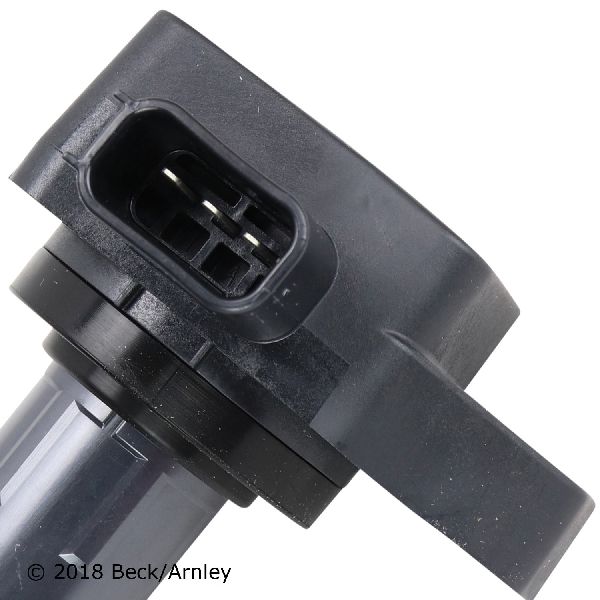
- Tier 2 (Trusted Aftermarket): Beck Arnley, Delphi, and Hella. These companies specialize in producing quality aftermarket parts that meet or exceed original specifications. Beck Arnley, in particular, focuses on sourcing parts that match the form and function of the original for European and Asian vehicles.
- Tier 3 (Economy): This category includes store brands and various budget-friendly options online. While the low price is tempting, quality can be inconsistent. Forum discussions among Honda owners often warn that cheap, unbranded coils have a much higher failure rate, which can lead to more frustration and expense down the road.
Pro Tip: Replace in Sets?
Ignition coils are wear items. If your Pilot has over 100,000 miles and one coil fails, the others have been exposed to the same heat and time. It's wise to replace all six coils at once, especially if you are paying for labor. At a minimum, if you are doing it yourself, consider replacing the three rear coils at the same time, as they are much harder to access than the front three. It's also the perfect time to replace your spark plugs with new NGK or Denso iridium plugs.
Cost to Replace Honda Pilot Ignition Coils

| Item | Estimated Cost (Per Coil) | Estimated Cost (Set of 6) |
|---|---|---|
| New OEM (Dealer) | $60 - $120 | $360 - $720 |
| New Aftermarket (Tier 1) | $60 - $90 | $300 - $500 |
| New Aftermarket (Tier 2/3) | $46 - $75 | $150 - $400 |
| Shop Labor | $150 - $300 (for all 6) | |
Frequently Asked Questions (FAQ)
Is it hard to replace the ignition coils on a 2003-2011 Pilot?
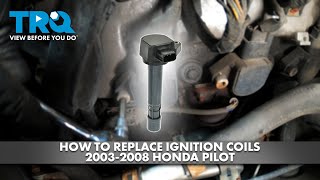
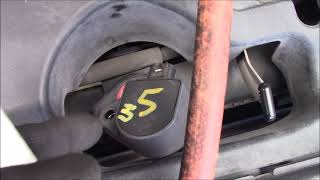
It's a tale of two halves. The front three coils (cylinders 4, 5, and 6) are right on top of the engine and are very easy to replace, requiring only basic hand tools. 🎬 See this walkthrough for replacing coils on 2003-2008 models. The rear three coils (cylinders 1, 2, and 3) are tucked under the intake manifold plenum against the firewall, making them much harder to reach. While it's still a DIY-friendly job, accessing the rear coils requires patience and the ability to work in tight spaces by feel.
Should I replace just the one bad coil or all of them?
If one coil has failed due to age and high mileage, the others are likely not far behind. To avoid repeated repairs, it is best practice to replace all six coils at the same time, especially if you are paying a mechanic for labor. If you are on a tight budget and doing the work yourself, you can replace just the faulty one, but don't be surprised if another one fails soon after.
What are the misfire codes for my Honda Pilot?
A generic code reader will show codes from P0301 to P0306. The last digit tells you which cylinder 🎬 Watch: How to diagnose the exact cause of your misfire. is misfiring (e.g., P0301 is cylinder 1, P0306 is cylinder 6). A P0300 code means random or multiple cylinders are misfiring. The rear cylinders are 1-2-3 (from passenger to driver side), and the front cylinders are 4-5-6.
Can I use a coil from a different brand if the others are original?
Yes, you can. However, for best performance and to avoid potential compatibility issues, it's recommended to have all coils be from the same high-quality brand. Mixing a new, strong coil with older, weaker ones can sometimes cause subtle imbalances in engine performance, though it will still run.
Helpful Videos
Technical Specifications
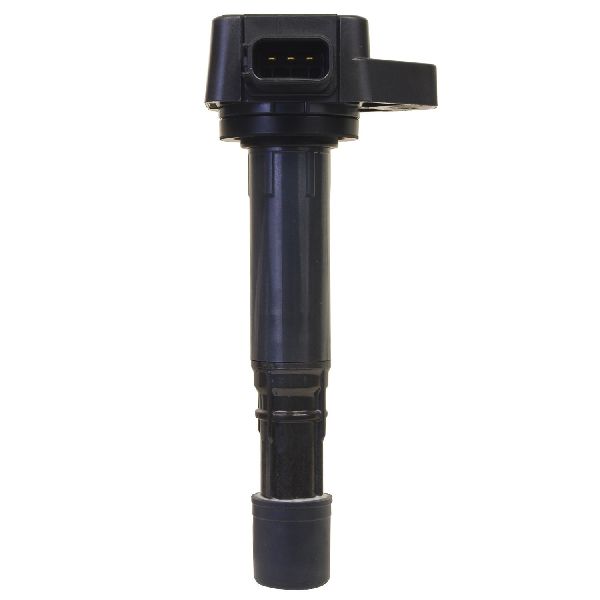
OEM Part Numbers: 30520-P8E-A01 30520-PVJ-A01 30520-RN0-A01 30520-P8F-A01
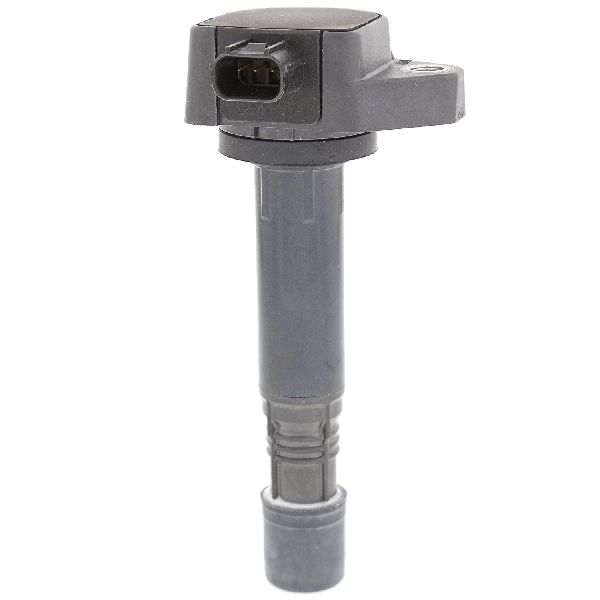
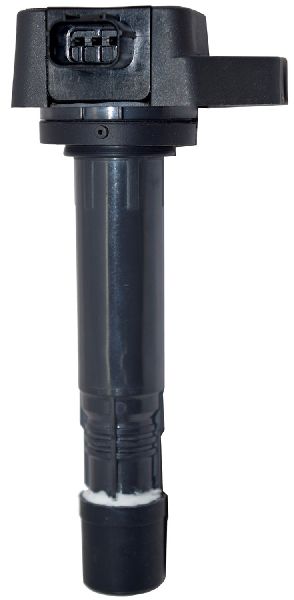
Coil-on-Plug (COP) design, one per cylinder. Total of 6 required for the 3.5L V6 engine.
We Have This Part in Stock


The information in this article is provided for general reference and educational purposes only. Vehicle specifications, procedures, and part compatibility can vary by production date, trim level, and region. Always consult your vehicle's factory service manual and verify part numbers before purchasing or performing repairs. Safety-critical components such as airbags, seat belts, and braking systems should be installed by a qualified professional.
- Honda Pilot:
- 🎬 Helpful Videos
- 🛍️ Shop This Part
- Is Your Pilot's Ignition Coil Failing?
- Symptoms of a Bad Ignition Coil
- Important Note for 2009-2011 Pilot Owners
- Choosing the Right Aftermarket Ignition Coil
- Brand Quality Tiers for Your Honda Pilot
- Pro Tip: Replace in Sets?
- Cost to Replace Honda Pilot Ignition Coils
- Frequently Asked Questions (FAQ)
- 🎟️ Get 5% Off