

Lincoln Aviator Ambient Air Temperature Sensor Replacement Guide (2003-2005)
Fix an incorrect temperature display and get your automatic climate control working again in your Aviator.
- This guide applies only to the first-generation Lincoln Aviator, model years 2003-2005.
- A bad sensor primarily affects the accuracy of the outside temperature display and the function of the automatic climate control.
- Replacement is a simple, beginner-friendly DIY task that typically takes less than 30 minutes.
- A quality aftermarket brand like Standard Ignition or Dorman offers a reliable repair without the higher cost of an OEM part.
Is your Aviator's temperature display wrong?
A failing ambient air temperature sensor is a common issue that can cause frustrating problems with your climate control. Because this sensor tells your SUV the temperature outside, a bad reading can confuse the automatic system. This guide covers the symptoms, brand choices, and costs for replacing the sensor on a 2003-2005 Lincoln Aviator.
Symptoms of a Bad Ambient Air Temperature Sensor
When this sensor fails, it usually won't stop you from driving, but it will cause noticeable issues:
- Incorrect Outside Temperature Display: The most obvious sign is the temperature reading on your dashboard or climate control unit being clearly wrong. For example, it might show 35°F on a hot summer day.
- Automatic Climate Control Doesn't Work: If you use the "Auto" setting, it may not cool or heat the cabin properly. The system relies on an accurate outside temperature to make adjustments, and a bad signal can cause it to stop working as intended.
- Check Engine Light: A failed sensor can trigger a Check Engine Light. The system will log a diagnostic trouble code, often in the P0070 to P0074 range, indicating a fault in the sensor's circuit.
Choosing the Right Aftermarket Sensor
For a simple part like this, a quality aftermarket sensor is a smart choice over a more expensive OEM part. However, not all aftermarket brands are the same. They generally fall into a few quality tiers.
Brand Tiers Explained
- Premium Aftermarket (Standard Ignition, Holstein): Brands like Standard Ignition have a long-standing reputation for producing high-quality parts that perform like the original. Holstein positions itself as an OE-quality alternative with a low failure rate, making it a strong contender. These are excellent choices for reliability and long-term performance.
- Standard Aftermarket (Dorman): Dorman is a widely available brand that offers direct-fit replacement parts. They are a reliable, mid-range option that meets original specifications and is a trustworthy choice for this repair.
- Economy (Skyward, True Tech): These brands represent the most budget-friendly options. While they can get the job done, they may not have the same long-term durability or precise accuracy as premium brands. They are a viable choice if the cost is your primary concern.
Cost to Replace a Lincoln Aviator Ambient Air Temperature Sensor
| Part Type | Estimated Cost |
|---|---|
| New OEM (Motorcraft) | $27 - $42 |
| New Aftermarket | $6.47 - $53.08 |
| Shop Labor | $50 - $75 |
No Recalls or Technical Service Bulletins
As of early 2026, there are no official recalls or technical service bulletins (TSBs) from Lincoln or the NHTSA specifically for the ambient air temperature sensor on the 2003-2005 Aviator. Failures are typically due to normal wear, electrical faults, or damage from road debris.
Frequently Asked Questions
Where is the ambient air temperature sensor located on a 2003-2005 Lincoln Aviator?
The sensor is typically located at the front of the vehicle, mounted behind the front grille and in front of the radiator. This position allows it to read the outside air temperature without being affected by engine heat.
Can I replace this sensor myself?
Yes, this is a very easy DIY job. It usually requires minimal tools to access the sensor behind the grille. The sensor itself simply unplugs from its wiring harness and unclips from its mounting bracket. The entire job can often be done in under 30 minutes.
What happens if I don't replace a bad sensor?
Your vehicle will continue to run and drive safely. However, the outside temperature display will remain incorrect, and the automatic climate control feature will likely not work, which can be a major inconvenience in very hot or cold weather.
Why do the prices for aftermarket sensors vary so much?
The price difference reflects the quality of the materials, manufacturing standards, and the brand's reputation. Premium brands invest more in testing and use higher-grade components to ensure accuracy and a long service life, while economy brands focus on providing a functional part at the lowest possible cost.
Technical Specifications
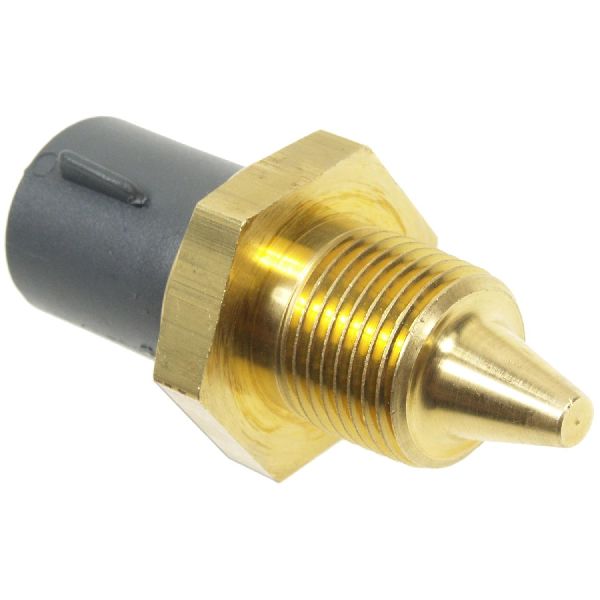
OEM Part Numbers: AU5Z-12A647-B DY-1160
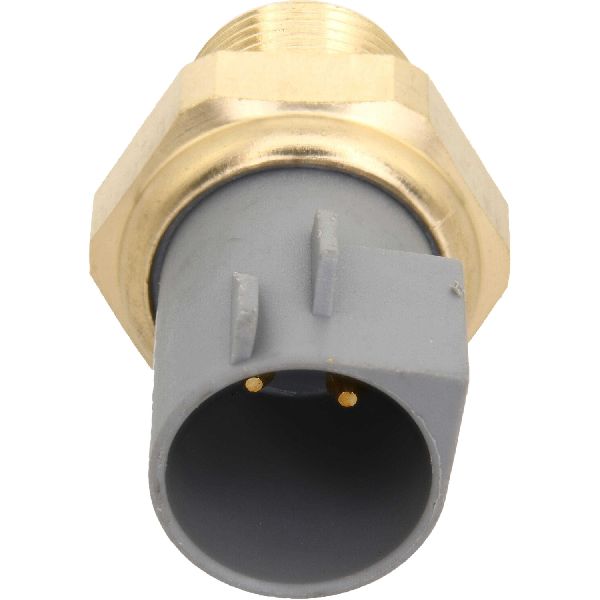
2-terminal, plug-in sensor.
We Have This Part in Stock


The information in this article is provided for general reference and educational purposes only. Vehicle specifications, procedures, and part compatibility can vary by production date, trim level, and region. Always consult your vehicle's factory service manual and verify part numbers before purchasing or performing repairs. Safety-critical components such as airbags, seat belts, and braking systems should be installed by a qualified professional.
- Lincoln Aviator:
- 🛍️ Shop This Part
- Is your Aviator's temperature display wrong?
- Symptoms of a Bad Ambient Air Temperature Sensor
- Choosing the Right Aftermarket Sensor
- Brand Tiers Explained
- Cost to Replace a Lincoln Aviator Ambient Air Temperature Sensor
- No Recalls or Technical Service Bulletins
- Frequently Asked Questions
- 🎟️ Get 5% Off