

Engine Coolant Temperature Sensor Guide for the 2003-2005 Lincoln Aviator
Solve check engine lights and poor performance by understanding, diagnosing, and replacing your Aviator's engine coolant temperature sensor.
- A bad ECT sensor commonly causes a Check Engine Light with codes like P0117, P0118, or P0128.
- Symptoms include poor fuel economy, black exhaust smoke, overheating, and hard starting when the engine is warm.
- Replacement is a simple DIY task for most owners, with the sensor located on the front of the engine's intake manifold.
- For best results, choose an OEM Motorcraft part or a premium aftermarket brand like Delphi or Standard Ignition.
Is Your Lincoln Aviator's Engine Acting Up? It Could Be the Coolant Temp Sensor.
If your 2003-2005 Lincoln Aviator is experiencing issues like a check engine light, poor fuel mileage, or rough running, a faulty Engine Coolant Temperature (ECT) sensor might be the cause. This sensor provides vital data to your vehicle's computer, and when it fails, it can lead to a variety of noticeable problems. This guide will walk you through the symptoms, replacement options, and what to expect when dealing with this common repair.
A Note on Model Years
The first-generation Lincoln Aviator was produced for the 2003, 2004, and 2005 model years only. This guide is specific to these vehicles, which are equipped with the 4.6L V8 engine.
Symptoms of a Failing ECT Sensor
When the ECT sensor starts to fail, it can send incorrect signals to the engine computer, leading to several distinct symptoms. You might notice one or more of the following:
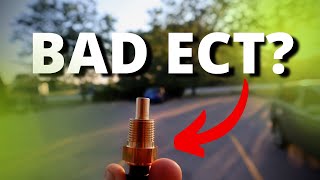
🎬 Watch this video to see common symptoms of sensor failure.- Check Engine Light: This is the most common symptom. The computer will store diagnostic trouble codes (DTCs) like P0117, P0118, or P0128.
- Poor Fuel Economy: If the sensor incorrectly tells the computer the engine is always cold, the system will run a rich fuel mixture, wasting gas.
- Black Smoke from Exhaust: A very rich fuel mixture can result in unburned fuel exiting through the exhaust, appearing as black smoke.
- Engine Overheating: A faulty sensor may fail to signal the computer to turn on the cooling fans when needed, leading to overheating.
- Hard Starting When Warm: If the sensor is stuck on a "cold" reading, the engine may be flooded with too much fuel when you try to restart it after it has already warmed up.
- Erratic Temperature Gauge: The gauge on your dashboard might read unusually high, low, or fluctuate randomly.
Choosing the Right Aftermarket Sensor
While a Motorcraft sensor from the dealer is always an option, the aftermarket provides a range of choices at different price points. For a critical component like the ECT sensor, quality matters. Inaccurate readings from a cheap sensor can cause persistent performance issues. Here’s a breakdown of available brands:
- Premium Aftermarket (OEM-Equivalent): Brands like Delphi and Standard Ignition (SMP) often manufacture parts for original equipment suppliers. They are known for their reliability and are a solid choice for this repair.
- Quality Mid-Range: Brands such as Walker Products, Holstein, and Four Seasons offer a good balance of price and quality. They are generally reliable for most daily driving applications.
- Value-Oriented: Brands like Global Parts and True Tech fall into the budget category. While they are the most affordable, they may not offer the same long-term durability or precise calibration as premium brands.
Pro Tip: Many Ford owners and mechanics recommend using either the original Motorcraft part or a premium aftermarket brand like Delphi for critical sensors to avoid potential performance issues down the road.
Known Issues, Recalls, and Service Bulletins
Our research found no specific recalls or widespread Technical Service Bulletins (TSBs) from the National Highway Traffic Safety Administration (NHTSA) for the Engine Coolant Temperature Sensor on the 2003-2005 Lincoln Aviator. However, a TSB (06-5-13) was issued for potential cylinder head issues on some 2003-2005 Aviator models, which is related to the broader engine and cooling system. Failure of the ECT sensor is typically due to normal wear and corrosion over time.
| Part Type | Estimated Cost |
|---|---|
| New OEM (Motorcraft) | $33 - $53 |
| New Aftermarket | $12 - $30 |
| Shop Labor | $90 - $150 |
Frequently Asked Questions (FAQ)
Where is the ECT sensor located on the 2003-2005 Lincoln Aviator?
The Engine Coolant Temperature sensor on the 4.6L V8 engine is typically located at the front of the engine. It screws into the coolant crossover tube, which is part of the intake manifold, near the alternator and thermostat housing.
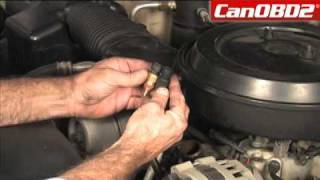
🎬 See a visual guide for locating the sensor on this engine.Can I replace this sensor myself?
Yes, this is a DIY-friendly repair for most home mechanics. The job requires basic hand tools like a socket set and can usually be completed in under an hour. 🎬 Follow this step-by-step video to replace the sensor yourself. You will need to drain a small amount of coolant or be prepared to swap the old sensor for the new one quickly to minimize coolant loss.
What happens if I don't replace a bad ECT sensor?
Ignoring a faulty ECT sensor can lead to persistent poor fuel economy, failed emissions tests, and in some cases, engine overheating. Overheating can cause severe and expensive damage, such as a warped cylinder head. It's best to address the issue promptly.
My check engine light is on for code P0128. Is it the sensor?
Code P0128 means the engine coolant temperature is below the normal regulating temperature. While a bad ECT sensor can cause this, the most common culprit for this specific code is a thermostat that is stuck open. It's wise to inspect the thermostat as well if you see this code.
Helpful Videos

Technical Specifications
OEM Part Numbers: 3F1Z-12A648-A DY-1144 DY-1145
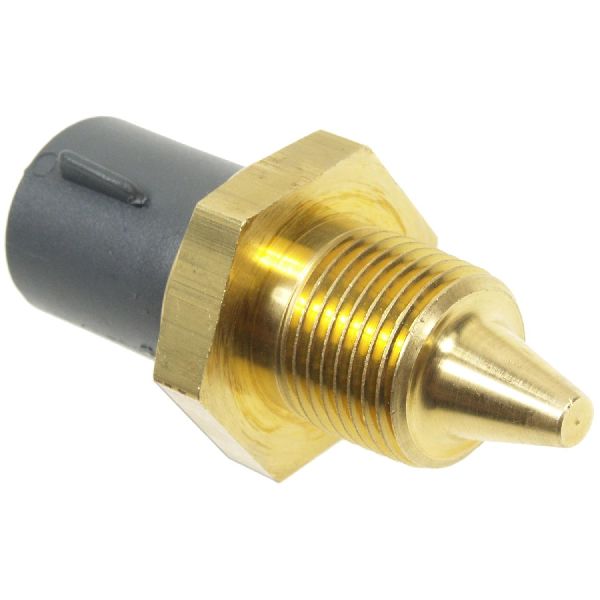
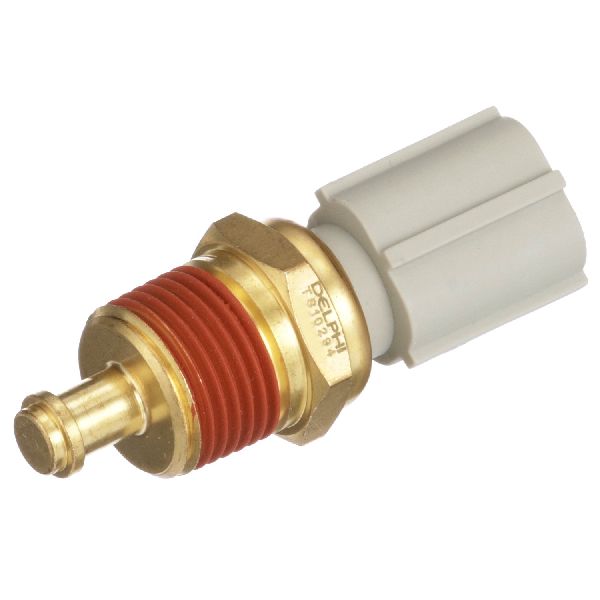
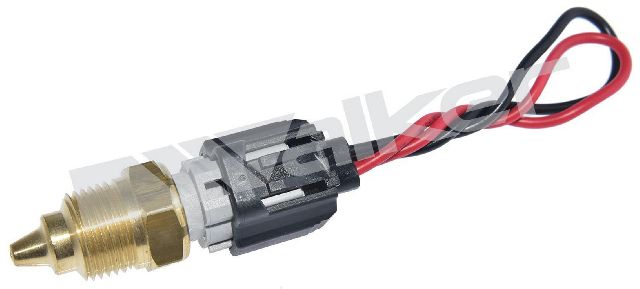
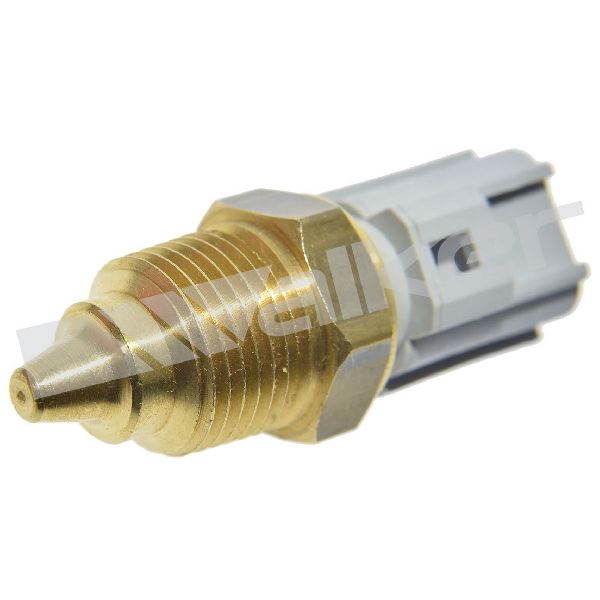
The sensor for the 2003-2005 Lincoln Aviator is a two-terminal (2-pin) sensor that typically has a brass body and a 3/8" pipe thread. It functions as a thermistor, meaning its electrical resistance changes with temperature.
We Have This Part in Stock


The information in this article is provided for general reference and educational purposes only. Vehicle specifications, procedures, and part compatibility can vary by production date, trim level, and region. Always consult your vehicle's factory service manual and verify part numbers before purchasing or performing repairs. Safety-critical components such as airbags, seat belts, and braking systems should be installed by a qualified professional.
- Lincoln Aviator:
- 🎬 Helpful Videos
- 🛍️ Shop This Part
- Is Your Lincoln Aviator's Engine Acting Up? It Could Be the Coolant Temp Sensor.
- A Note on Model Years
- Symptoms of a Failing ECT Sensor
- Choosing the Right Aftermarket Sensor
- Known Issues, Recalls, and Service Bulletins
- Frequently Asked Questions (FAQ)
- 🎟️ Get 5% Off