

2003-2005 Lincoln Aviator Engine Crankshaft Position Sensor Guide
Understand the symptoms of a failing crankshaft sensor and find the right replacement for your Aviator's V8 engine.
- The Lincoln Aviator was only produced from 2003-2005 for its first generation; the 2003-2011 range is incorrect.
- A failing crankshaft sensor can cause a no-start condition, stalling, rough idle, and will trigger a P0335 check engine light code.
- For best results, use the OEM Motorcraft part or a top-tier aftermarket brand like Delphi, Denso, or NTK/NGK.
- Replacement is possible for a DIYer but requires loosening the A/C compressor for access.
Is Your Lincoln Aviator Stalling or Not Starting?
A faulty crankshaft position sensor is a common reason for engine problems in many vehicles, including the 2003-2005 Lincoln Aviator. Because this sensor is so important for engine operation, a failure can leave you stranded. Symptoms often start small but can become serious, so it's important to address them quickly.
🎬 Watch this guide on 8 common bad crank sensor symptoms.Choosing the Right Aftermarket Crankshaft Sensor
When replacing the crankshaft sensor on your Aviator, you have a choice between the original equipment (OEM) Motorcraft part and various aftermarket brands. For a critical sensor like this, quality is important.
Brand Quality Tiers
Not all aftermarket parts are created equal. Here’s a breakdown of the brands available to help you choose:
- Top Tier (OEM or Equivalent): Motorcraft is the original Ford/Lincoln part and offers a direct fit and proven reliability. Brands like Delphi and Denso are often the original manufacturers for many car companies and are considered top-tier aftermarket choices. NGK (also known as NTK) is another highly-regarded brand known for its sensor quality.
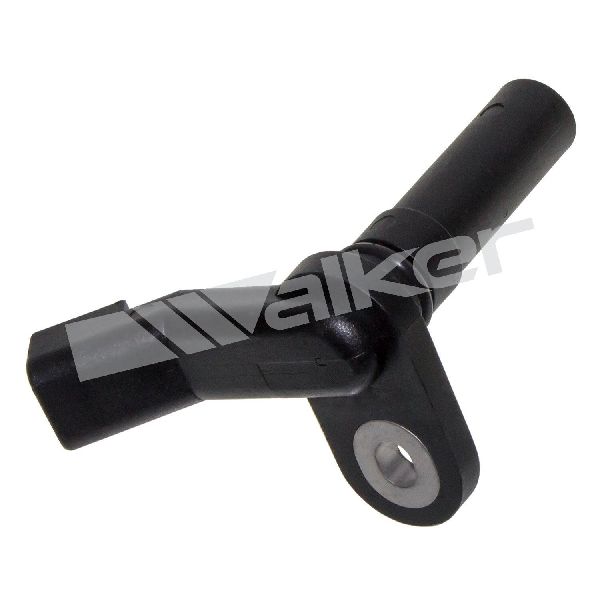
- Reputable Mid-Grade: Brands like Standard Ignition (SMP), Hitachi, and Walker Products generally offer good quality and performance for their price. They are a solid choice if an OEM-tier part isn't in the budget.
- Economy Tier: Brands such as Dorman, Prenco, Spectra, and others often provide the most budget-friendly options. While they can be a good value, some professional mechanics and experienced DIYers report mixed results with the long-term reliability of economy-tier electronic sensors.
Known Issues, Recalls, and Service Bulletins
As of early 2026, there are no specific recalls from the National Highway Traffic Safety Administration (NHTSA) for the crankshaft position sensor on the 2003-2005 Lincoln Aviator. However, Ford did issue a Technical Service Bulletin (TSB #17478) for some 2004 models related to a "crank-no-start" or rough engine condition, which are symptoms of a failing crankshaft sensor. 🎬 Learn more about the 7 symptoms of a faulty sensor. Another TSB from 2005 (TSB #06513) addresses engine misfires, which can also be linked to a faulty sensor signal. These bulletins suggest that diagnosing crank sensor-related symptoms was a known issue for dealerships.
| Part Type | Estimated Cost |
|---|---|
| New OEM (Motorcraft) | $41 - $67 |
| New Aftermarket | $22 - $62 |
| Shop Labor | $140 - $200 |
Frequently Asked Questions (FAQ)
Where is the crankshaft sensor located on the 2003-2005 Aviator?
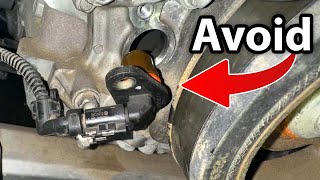
The crankshaft position sensor is located on the front of the engine, down low near the main crankshaft pulley. To access it, you will need to work from underneath the vehicle. It is positioned behind the A/C compressor.
Is it difficult to replace the crankshaft sensor myself?
For a DIY mechanic with some experience, this is a manageable job. The main difficulty is access. You will need to remove the accessory drive belt and loosen the A/C compressor bolts to move it slightly for clearance. If you are not comfortable working in tight spaces or removing these components, it may be best to have a professional mechanic perform the replacement.
🎬 See a demonstration of how to replace the crankshaft sensor.Should I buy an OEM Motorcraft sensor or is aftermarket okay?
For critical electronic parts like a crankshaft sensor, many mechanics recommend using the OEM Motorcraft part or a top-tier aftermarket brand like Delphi, Denso, or NTK. These parts are known for their reliability and correct electronic signals, which is crucial for the Aviator's computer system. While economy brands are cheaper, they carry a higher risk of premature failure.
Will the car need a 'relearn' procedure after replacing the sensor?
Some Ford vehicles may require a computer relearn procedure to ensure the new sensor communicates correctly with the engine computer. While not always necessary for the car to run, it is recommended for optimal performance. If you experience any lingering issues after replacement, a relearn procedure performed by a shop with the correct scan tool may be needed.
Helpful Videos

Technical Specifications
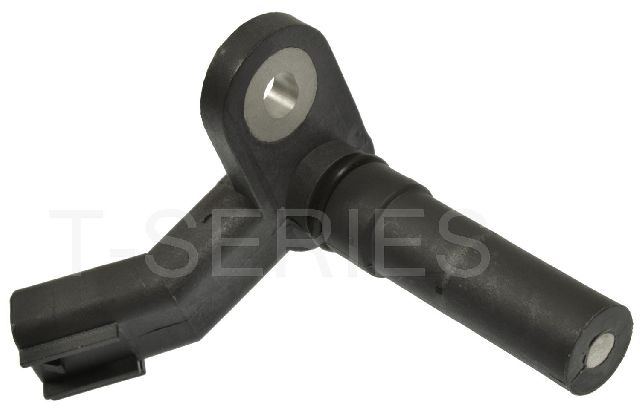
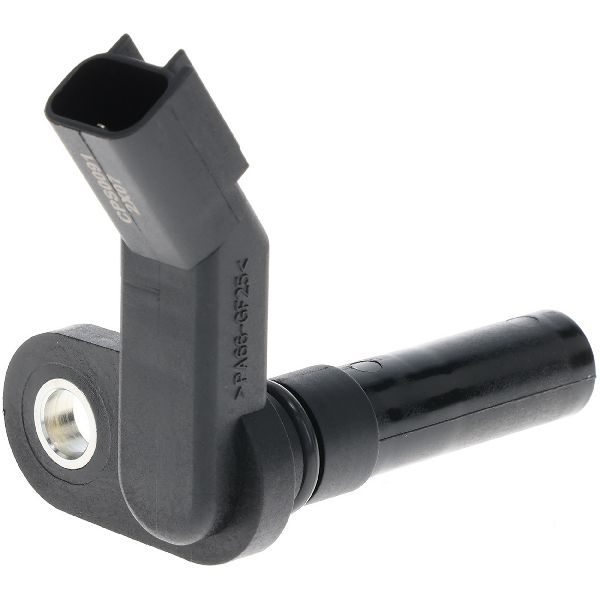
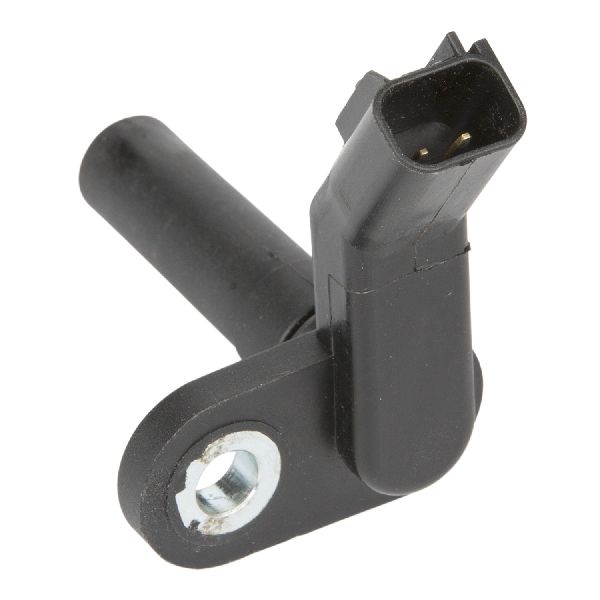
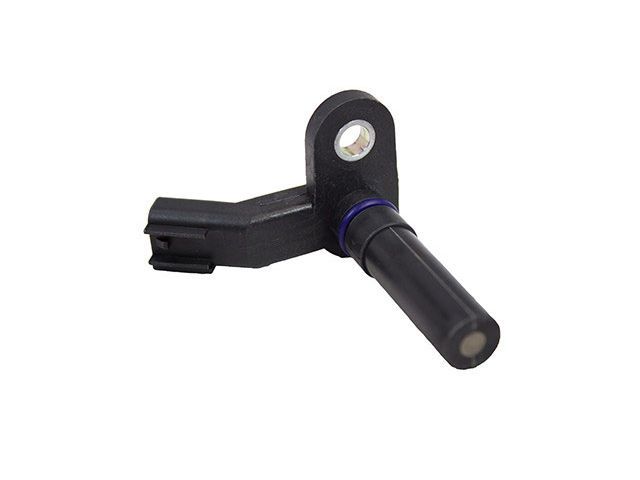
OEM Part Numbers: 1W7Z-6C315-AB 1W7Z-6C315-AA F1AZ-6C315-A
This is a magnetic hall-effect sensor that generates a digital square-wave signal for the PCM.
We Have This Part in Stock


The information in this article is provided for general reference and educational purposes only. Vehicle specifications, procedures, and part compatibility can vary by production date, trim level, and region. Always consult your vehicle's factory service manual and verify part numbers before purchasing or performing repairs. Safety-critical components such as airbags, seat belts, and braking systems should be installed by a qualified professional.
- Lincoln Aviator: