

Choosing the Right Spark Plugs for Your 2003-2005 Lincoln Aviator
Keep your Aviator's 4.6L V8 running smoothly with the correct spark plugs and avoid common issues.
- The 2003-2005 Aviator's 4.6L V8 does NOT use the problematic two-piece spark plugs, making replacement safer.
- Consider replacing the coil-on-plugs at the same time as the spark plugs to prevent future misfires.
- Always verify the spark plug gap before installation; do not rely on them being pre-gapped correctly.
- Use a torque wrench to tighten plugs to the correct specification (around 11-15 ft-lbs) to avoid stripping the cylinder head threads.
Understanding Spark Plugs in Your Aviator
The first-generation Lincoln Aviator (2003-2005) is equipped with a 4.6L DOHC 32-valve V8 engine. Unlike some other Ford modular engines from this era, the Aviator's engine does not use the problematic two-piece spark plugs that are known for breaking off in the cylinder head. This makes replacement a much more straightforward and less risky job. However, using the correct type and brand of spark plug is still essential for engine health and performance.
Symptoms of Failing Spark Plugs
When your spark plugs are nearing the end of their life, your Aviator will likely let you know. Look out for these common signs:
- Rough Idle: The engine may shake or vibrate more than usual when stopped.
- Engine Misfires: You may feel a hesitation or stumbling during acceleration. This will often trigger the Check Engine Light with codes P0300 through P0308. 🎬 Watch a diagnostic video on fixing these common misfire codes.
- Reduced Power: Your SUV may feel sluggish and less responsive than normal.
- Poor Fuel Economy: You'll find yourself visiting the gas station more often as the engine works less efficiently.
- Difficulty Starting: Worn plugs can make it harder for the engine to start, especially in cold weather.
A Note on Misfires
While bad spark plugs are a common cause of misfires, so are failing coil-on-plugs (COPs). Since you have to remove the coil to access the spark plug, it is highly recommended to replace the spark plugs and ignition coils as a set, especially on a higher-mileage vehicle. This can save you from doing the same job twice.
Choosing the Right Aftermarket Spark Plugs
The original equipment (OEM) plugs for your Aviator are made by Motorcraft. While OEM is always a safe choice, several aftermarket brands offer excellent quality, sometimes with better performance or value. Here’s a breakdown of popular choices:
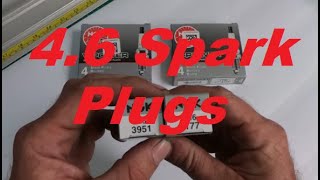
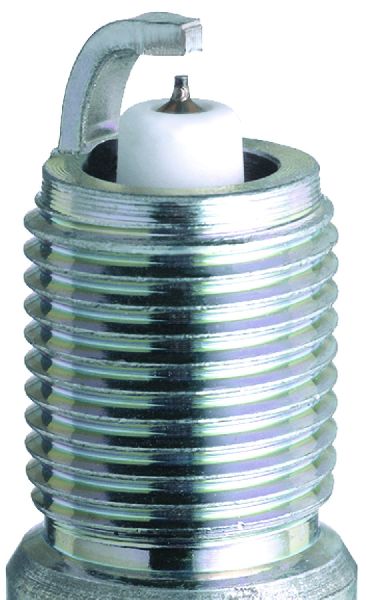
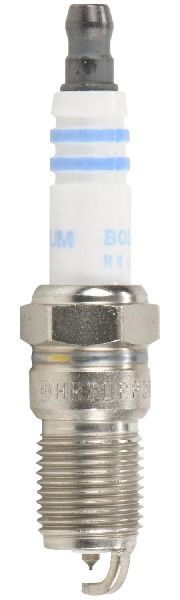
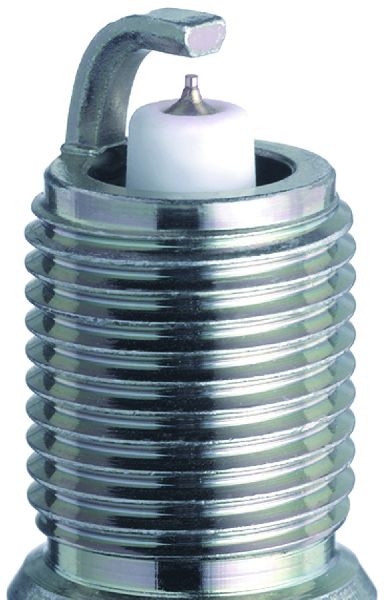
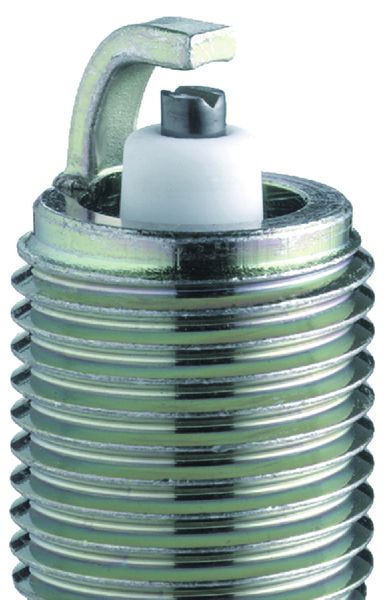
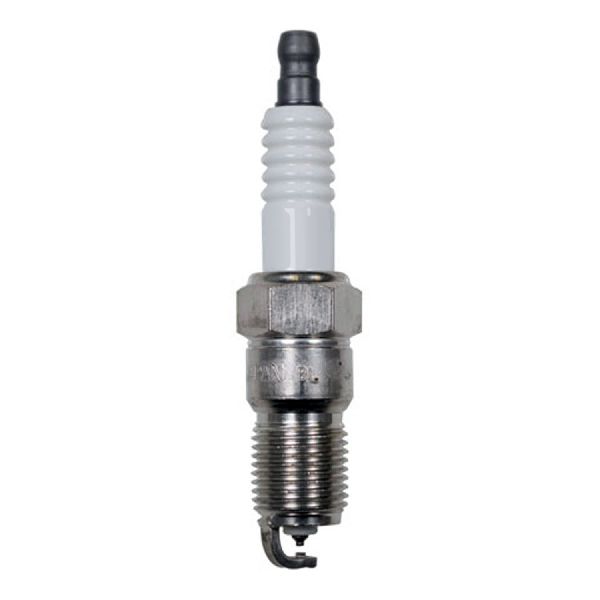
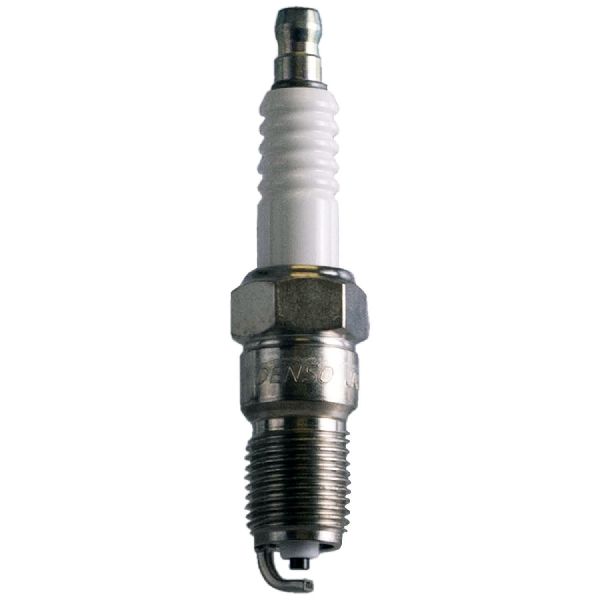
- Top Tier (Iridium & Platinum): Brands like NGK and Denso are often considered top-tier replacements. Many enthusiasts prefer NGK Iridium or Denso Iridium plugs for their longevity and consistent performance in Ford 4.6L engines. These plugs use a fine-wire center electrode made of precious metals, which provides a more focused, powerful spark and a service life of up to 100,000 miles.
- Mid-Grade (Platinum & Copper): Autolite and Champion offer reliable performance at a more accessible price point. Autolite's Double Platinum or Iridium XP plugs are a popular and effective upgrade over standard plugs. Traditional copper plugs, like the NGK TR-55, are also an option and are favored by some for their excellent conductivity, though they have a much shorter service life.
- Standard/Economy: While brands like Bosch are well-known, some owners of Ford modular engines report mixed results. It's generally recommended to stick with brands known for their compatibility with these specific engines, such as NGK, Denso, and Autolite.
Check the Gap
Even if plugs are advertised as "pre-gapped," you should always verify the spark plug gap with a feeler gauge before installation. The correct gap for a naturally aspirated 4.6L engine is typically between .050" and .055". An incorrect gap can cause misfires and poor performance.
🎬 Learn how to properly gap plugs for the 4.6L engine.| Quality Tier | Estimated Part Cost |
|---|---|
| Standard (Copper) | $30 - $50 |
| Mid-Grade (Platinum) | $40 - $80 |
| Top Tier (Iridium) | $60 - $165 |
Known Issues, Recalls, and TSBs
There are no specific recalls for spark plugs on the 2003-2005 Lincoln Aviator. However, Ford has issued several Technical Service Bulletins (TSBs) related to engine misfires (codes P0300-P0308) which can be caused by faulty spark plugs or ignition coils. One TSB, 05-22-8, outlines diagnostic procedures for misfires that could be related to exhaust valve issues, though spark plugs and coils are the first items to check. Another potential issue on early 4.6L 4V heads is a limited number of threads in the spark plug holes, making them susceptible to stripping if plugs are over-torqued. Always use a torque wrench set to the manufacturer's specification (typically around 11-15 ft-lbs) to avoid damage.
Frequently Asked Questions (FAQ)
How often should I change the spark plugs on my Aviator?
For platinum or iridium plugs, the recommended interval is typically between 60,000 and 100,000 miles. If you use standard copper plugs, you should change them every 30,000 miles. However, if you notice any symptoms of failure, you should inspect them regardless of mileage.
Is replacing the spark plugs a DIY job?
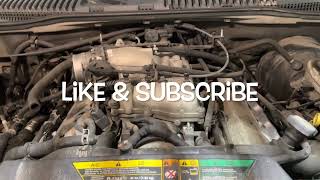
Yes, for someone with moderate mechanical experience. The 4.6L DOHC engine has coil-on-plug ignition, meaning each plug has a coil directly on top of it. Access requires removing a cover plate and the ignition coils. The rear cylinders can be tight to access, but the job can be done with basic hand tools, a torque wrench, and a spark plug socket.
🎬 See a step-by-step guide to replacing plugs on an Aviator.Should I use anti-seize on the new spark plugs?
This is a topic of debate. Many modern spark plugs from brands like NGK have a special plating on the threads that acts as an anti-seize and should be installed dry. Applying additional anti-seize can lead to over-torquing and damage to the plug or cylinder head. Always check the plug manufacturer's specific recommendation.
What is the difference between platinum and iridium spark plugs?
Both are long-life plugs that are a significant upgrade over standard copper. Iridium is a harder, more durable material than platinum, allowing for an even finer center electrode. This can lead to a more efficient spark, better performance, and a longer lifespan. For the Aviator, either platinum or iridium plugs are an excellent choice.
Helpful Videos
Technical Specifications
OEM Part Numbers: SP-433 SP-405 AGSF32WM
Engine: 4.6L DOHC V8. Quantity required: 8. Thread Size: 14mm. Wrench Size: 5/8 inch. Recommended Gap: .050" - .055".
We Have This Part in Stock

The information in this article is provided for general reference and educational purposes only. Vehicle specifications, procedures, and part compatibility can vary by production date, trim level, and region. Always consult your vehicle's factory service manual and verify part numbers before purchasing or performing repairs. Safety-critical components such as airbags, seat belts, and braking systems should be installed by a qualified professional.
- Lincoln Aviator: