

Porsche Cayenne Engine Coolant Reservoir Guide (2003-2011)
Is your Cayenne's low coolant light on? Here is what you need to know about replacing the engine coolant reservoir.
- The primary failure is age-related cracking of the plastic, especially at the seams.
- It is critical to replace the coolant cap at the same time as the reservoir to ensure proper system pressure.
- High-quality aftermarket brands like Mahle and CRP (Rein) offer a reliable alternative to the more expensive OEM part.
- The job is DIY-friendly and can be completed with basic tools in about 1-2 hours.
Common Failure Symptoms
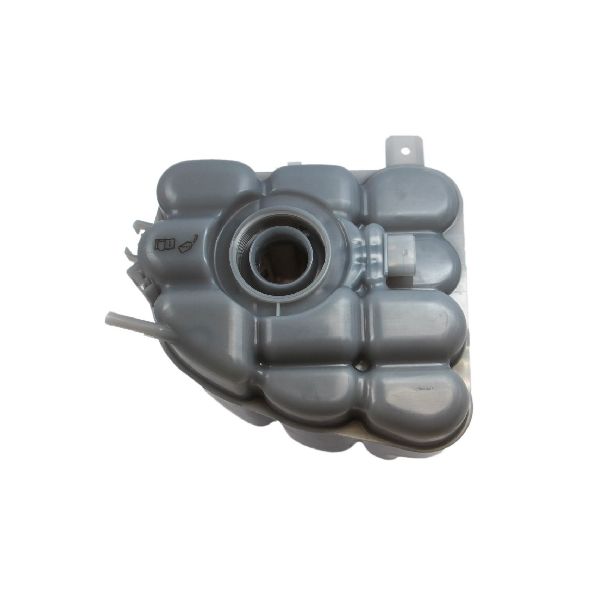
The original coolant reservoirs in the 2003-2011 Porsche Cayenne are known to fail over time. The plastic becomes brittle from constant exposure to heat and pressure. This leads to cracks and leaks, which can cause serious engine problems if not addressed.
Key Failure Point: The Seam
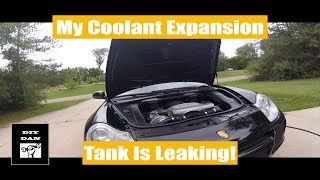
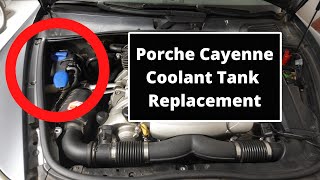
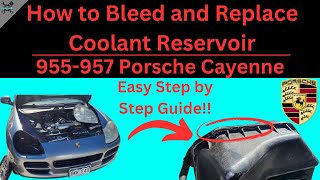
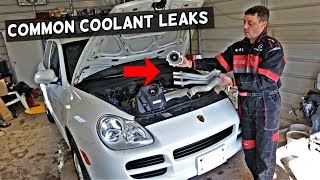
The most common failure point is the seam 🎬 Watch: Identifying common coolant leaks on the Cayenne S and Turbo. where the two halves of the plastic tank are joined. Heat and pressure cause this seam to split, leading to coolant leaks that are often only visible when the engine is hot and the system is pressurized.
- Low Coolant Warning Light: The most obvious sign is the low coolant warning on your dashboard. This may come on intermittently at first.
- Visible Leaks or Puddles: You may see pink or purple coolant on the ground under the passenger side of the engine bay.
- Coolant Smell: A sweet, syrupy smell around the car after a drive is a strong indicator of a coolant leak.
- Visible Cracks: You might see hairline cracks on the tank itself, often with white or pink crusty residue.
- Overheating: If the coolant level drops too low, the engine can overheat, which is a critical issue that can cause severe damage.
Choosing the Right Aftermarket Reservoir
When replacing your Cayenne's coolant tank, you have several options. The original Porsche part can be expensive, but high-quality aftermarket alternatives are available that offer a good balance of price and performance.
OEM vs. Aftermarket Quality
For the 2003-2011 Cayenne, the original equipment (OEM) tanks are prone to cracking over a long enough timeline. Aftermarket manufacturers often use similar materials, but the key is quality control. A brand-new aftermarket tank, even from a budget-friendly brand, is often a better choice than a used OEM part, as the primary failure cause is age and heat cycles. Some owners report that even OEM replacements don't last forever, making quality aftermarket parts a sensible choice.
Brand Quality Tiers
- Mahle: Mahle is a well-respected manufacturer that often supplies parts directly to automakers like Porsche. Their products are considered OEM-quality and are a trusted choice for reliability and fit, often at a lower price than the official Porsche-branded part.
- CRP (Rein): CRP's Rein brand is a popular choice for European car parts. They produce their tanks from 100% virgin plastic to resist cracking from heat cycles, positioning themselves as a durable OE-quality alternative.
- URO Parts: URO is known for providing budget-friendly options. While their general reputation can be mixed among Porsche enthusiasts, they make parts available that might otherwise be hard to find. For a part like a coolant tank, it can be a viable low-cost solution, but careful inspection upon arrival is recommended.
Pro Tip: Always Replace the Cap
The coolant reservoir cap is a critical pressure-relief valve. If it fails, it can cause the system to over-pressurize, leading to a ruptured tank or blown hoses. It is a cheap and essential part to replace along with the reservoir.
Installation and Cost Information
Replacing the coolant reservoir is a straightforward job that a confident DIYer can complete in about an hour or two.
| Estimated DIY Time | 1-2 Hours |
| Difficulty | Beginner to Intermediate |
| Shop Labor Cost | $95 - $200 |
| New Aftermarket Part Cost | $74 - $131 |
| New OEM Part Cost | $250 - $285+ |
Frequently Asked Questions (FAQ)
Is the coolant reservoir the same for all 2003-2011 Cayenne models?
Yes, the same coolant reservoir part number (starting with 955.106.147.xx) fits all V6 and V8 gasoline engines in the 955 (2003-2006) and 957 (2007-2010) generations of the Porsche Cayenne.
Are there any recalls for the Cayenne coolant reservoir?
No, there have been no specific recalls issued by the NHTSA for the engine coolant reservoir on the 2003-2011 Porsche Cayenne. There have been recalls for other cooling system components on different Porsche models or years, but not for the first-generation Cayenne's tank.
Do I need special tools to replace the tank?
Basic hand tools are required, such as a socket set (10mm, 13mm, 16mm), a T27/T30 Torx driver, and hose clamp pliers. No highly specialized Porsche tools are needed 🎬 See this clever walkthrough to replace the tank without removing headlights. for this specific job.
Do aftermarket tanks come with a new coolant level sensor?
Yes, most aftermarket coolant reservoirs for the Cayenne come with a new coolant level sensor pre-installed. This is important because a faulty sensor can also trigger the low coolant warning light.
What kind of coolant should I use?
You must use a pink/purple G12 or compatible coolant (like G13) for your Porsche Cayenne. Using the wrong type of coolant can cause damage to the cooling system. Always mix concentrated coolant with distilled water, typically at a 50/50 or 60/40 ratio 🎬 Watch: Full reservoir replacement and cooling system bleeding tutorial., per the instructions on the bottle.
Helpful Videos
Technical Specifications
OEM Part Numbers: 95510614723 95510614722 95510614721 95510614720
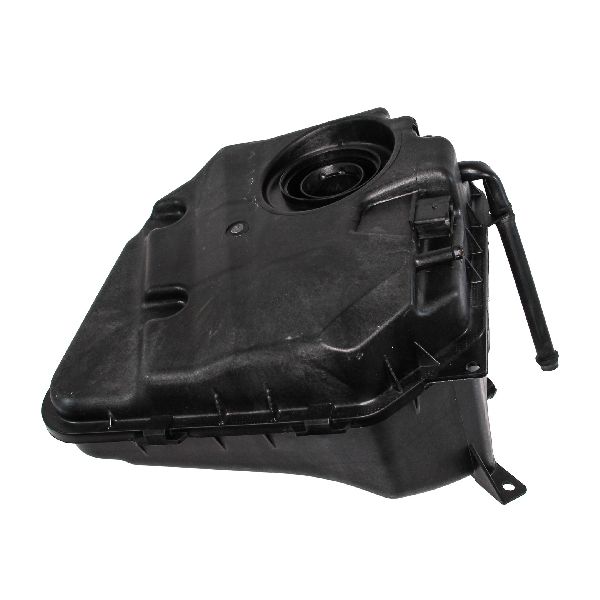
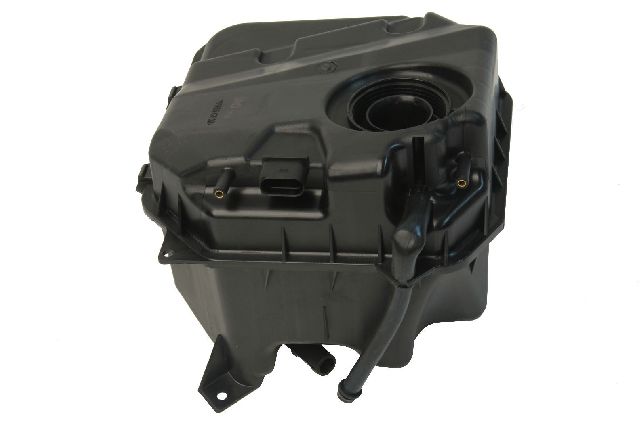
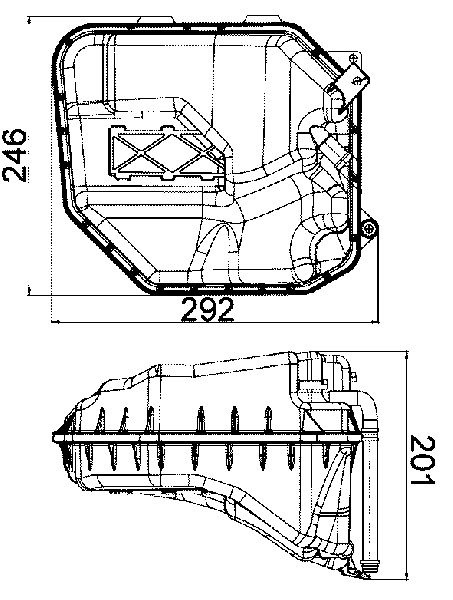
Fits 2003-2010 Porsche Cayenne models (955 & 957). Material: Plastic. Includes integrated coolant level sensor. Cap is sold separately.
We Have This Part in Stock

The information in this article is provided for general reference and educational purposes only. Vehicle specifications, procedures, and part compatibility can vary by production date, trim level, and region. Always consult your vehicle's factory service manual and verify part numbers before purchasing or performing repairs. Safety-critical components such as airbags, seat belts, and braking systems should be installed by a qualified professional.
- Porsche Cayenne: