

A Guide to the Engine Timing Chain Kit for the 2003-2011 Saab 9-3
Understanding the critical differences in timing chain issues between the 2.0T and 2.8T V6 engines in your Saab 9-3.
- The 2.8T V6 engine is highly prone to timing chain stretching; the 2.0T 4-cylinder engine is not.
- A rattling noise and check engine codes like P0016/P0018 are direct signs of a failing timing system.
- This is not a DIY job for most owners, especially on the V6, where labor is the biggest expense.
- Use a complete, high-quality kit from a brand like INA or Cloyes; do not reuse old tensioners or guides.
Engine Differences are Key

When discussing the timing chain on a 2003-2011 Saab 9-3, you must first identify your engine. The issues are completely different between the two main gasoline engines offered in North America.
- 2.8T V6 (Aero, Turbo X): This engine is known for premature timing chain stretching. The problem is widely documented by owners and mechanics. The main cause is often linked to extended oil change intervals recommended by the factory. Using high-quality synthetic oil and changing it more frequently than the owner's manual suggests can help prolong the life of the chains.
- 2.0T 4-Cylinder (Linear, Arc, Vector, 2.0T Aero): This engine has a much more reliable timing chain system. Failures are not common. However, a related issue is the failure of the plastic guides for the separate balance shaft chain. These guides can become brittle over time and break, causing a rattling noise.
V6 Engine Warning
If you own a 2.8T V6 model, be extra aware of timing chain symptoms. A stretched chain is not a matter of 'if' but 'when' for many of these engines, and failure can cause catastrophic engine damage. This is a serious and expensive repair.
Symptoms of a Failing Timing Chain

A bad timing chain gives several warning signs. Do not ignore them.
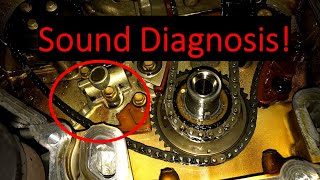
- Engine Rattle: The most common symptom is a rattling or buzzing sound from the engine, especially noticeable during a cold start or at idle. On the 2.0T, this could also be the balance shaft chain guides.
- Check Engine Light: A stretched chain will cause the camshaft and crankshaft positions to be out of sync, triggering a Check Engine Light. You will likely see diagnostic trouble codes (DTCs) like P0016, P0017, P0018, or P0019. 🎬 See how to diagnose these crankshaft and camshaft position sensor fault codes.
- Poor Engine Performance: The engine may run rough, idle poorly, misfire, or lose power because the valve timing is incorrect.
Choosing the Right Aftermarket Kit

When your timing chain needs replacement, you must use a quality kit. The labor is too expensive to risk using cheap parts. For the Saab 9-3, several reputable aftermarket brands are available.
Tier 1: OEM Quality or Better
- INA: INA is part of the German Schaeffler Group, which is a major original equipment (OE) manufacturer for many European car brands. They are known for high-quality engineering and are a trusted choice for critical components like timing kits.
- Cloyes: Cloyes is a well-respected brand that specializes in timing systems for both OE and the aftermarket. They offer complete kits that are known for good fit and durability. While some online discussions mention concerns about manufacturing locations for other car models, they remain a top choice for this application.
Tier 2: Reputable Aftermarket
- Gates / Dayco: These brands are famous for their belts. Their timing chain kits are generally reliable, but some mechanics have noted that components within the kits can sometimes be sourced from various manufacturers. For a job this critical, sticking with a specialist like INA or Cloyes is often preferred.
Pro Tip: Replace Everything
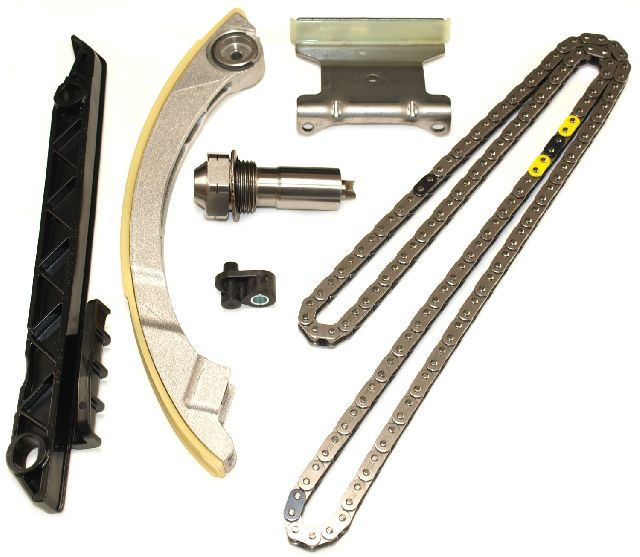
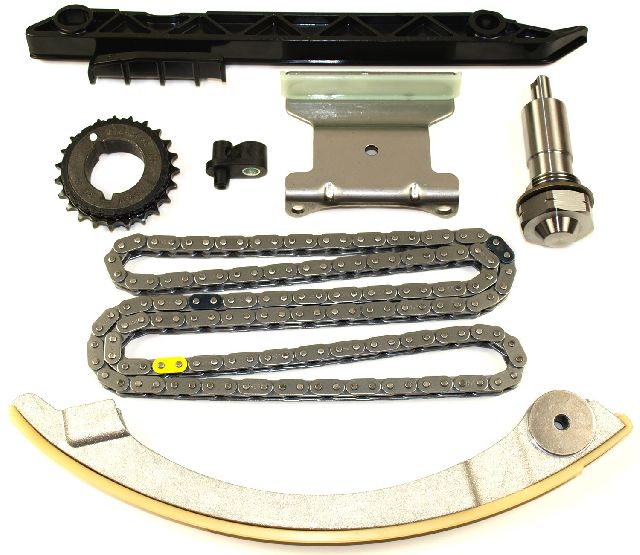
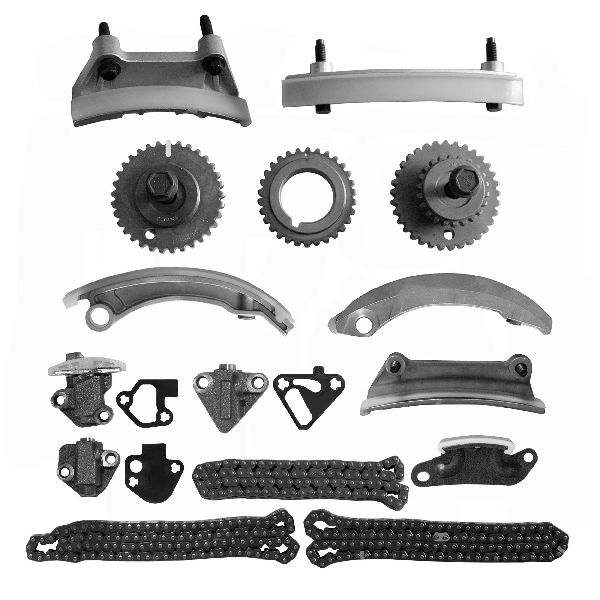
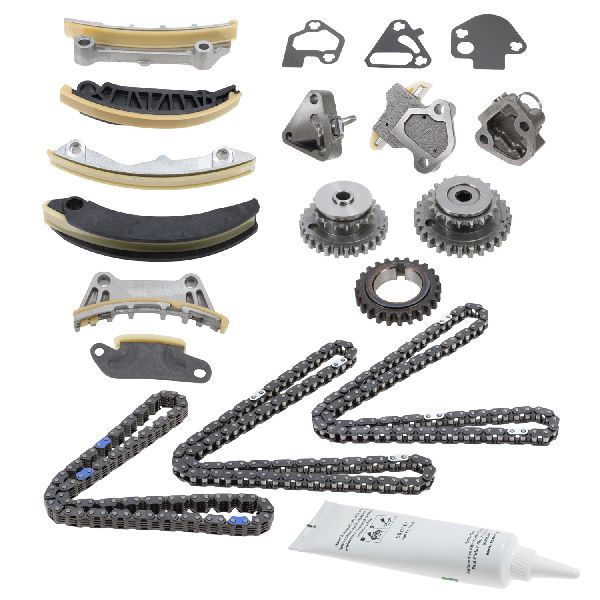
Always buy a complete timing chain kit. This should include all chains, sprockets, guides, and tensioners. Replacing only a stretched chain without addressing the worn guides or weak tensioners will lead to another failure very soon. For the 2.0T engine, it is highly recommended to also replace the balance shaft chain kit at the same time.
Cost to Replace a Saab 9-3 Timing Chain Kit

| Part/Service | Estimated Cost |
|---|---|
| New Aftermarket Kit | $111 - $673 |
| Shop Labor (2.0T 4-Cylinder) | $600 - $1,200 |
| Shop Labor (2.8T V6) | $1,800 - $3,000+ |
Frequently Asked Questions
Were there any recalls for the Saab 9-3 timing chain?
No, there have been no official recalls from Saab or GM for timing chain issues on the 2003-2011 9-3. The problem with the 2.8T V6 is a widely known design flaw but was never addressed with a recall or service campaign.
Can I replace the timing chain myself?
For the 2.8T V6, this is not recommended for a DIY mechanic. The job is extremely complex and often requires removing the entire engine. For the 2.0T 4-cylinder, it is possible for a very experienced DIYer with the right tools, but it is still a difficult and time-consuming job.
What causes the timing chain to fail on the V6?
The primary cause is believed to be premature stretching of the chains. This is widely attributed to the very long oil change intervals recommended by the manufacturer. Insufficient lubrication and oil breakdown accelerate wear on the chains and guides.
What is a balance shaft chain and why is it important on the 2.0T?
The balance shaft chain system is separate from the main timing chain on the 2.0T engine. It spins two shafts that counteract engine vibrations for smoother operation. The plastic guides for this chain are a known weak point and can fail, causing a loud rattling noise that can be mistaken for a main timing chain failure. 🎬 Listen to the specific chirping sound caused by a failing balance chain. It is best practice to replace the balance shaft chain kit whenever you are replacing the main timing chain.
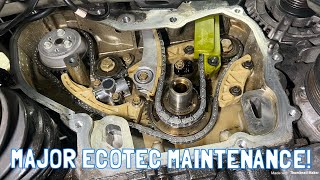
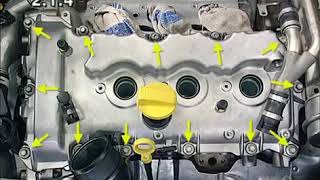
🎬 Watch this complete walkthrough of the 2.0T timing and balance chain replacement.Helpful Videos


Technical Specifications
OEM Part Numbers: 12633451 12633452 12645465 12612839 55352124
Kits vary by engine. The 2.8T V6 uses a three-chain system. The 2.0T 4-cylinder uses a single primary timing chain and a separate balance shaft chain. All kits should include chains, guides, tensioners, and sprockets.
We Have This Part in Stock


The information in this article is provided for general reference and educational purposes only. Vehicle specifications, procedures, and part compatibility can vary by production date, trim level, and region. Always consult your vehicle's factory service manual and verify part numbers before purchasing or performing repairs. Safety-critical components such as airbags, seat belts, and braking systems should be installed by a qualified professional.
- Saab 9-3: