

Engine Coolant Temperature Sensor Guide for the 2003-2011 Suzuki Swift
Understand the signs of a failing coolant sensor in your Swift and how to choose the right replacement.
- A bad ECT sensor often causes a Check Engine Light with codes like P0117 or P0118.
- Symptoms include poor fuel economy, rough idle, and incorrect temperature gauge readings.
- Replacement is a DIY-friendly task, typically located near the thermostat housing.
- Ignoring a faulty sensor can lead to engine overheating, which is a serious risk.
Is Your Suzuki Swift's Coolant Sensor Failing?

A faulty Engine Coolant Temperature (ECT) sensor can cause a surprising number of problems. Because the engine's computer relies on this sensor for accurate temperature readings, a failure can make your Swift run poorly. Ignoring the symptoms can lead to lower fuel mileage, poor performance, and potentially more serious engine issues down the road.
Key Symptoms of a Bad ECT Sensor
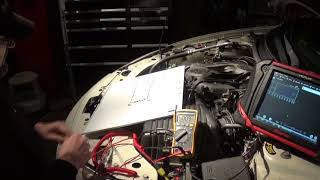
- Check Engine Light: This is often the first warning sign. The computer will log a fault code like P0117 (Circuit Low) 🎬 Watch: Learn how to diagnose P0117 and P0118 fault codes. or P0118 (Circuit High) when it gets an incorrect signal from the sensor.
- Poor Fuel Economy: If the sensor wrongly tells the computer the engine is cold, the computer will inject extra fuel. This rich fuel mixture wastes gas and reduces your MPG.
- Engine Overheating or Strange Gauge Readings: The temperature gauge on your dashboard might swing wildly, stay stuck on cold, or shoot up to hot. Crucially, if the sensor doesn't signal the computer that the engine is hot, the radiator fans may not turn on, leading to overheating.
- Rough Idle and Hesitation: An incorrect fuel mixture can make your engine idle roughly, hesitate when you accelerate, or feel sluggish.
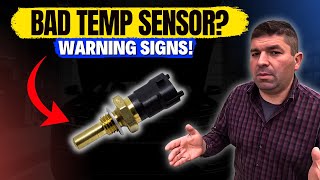
- Black Smoke from Tailpipe: In some cases, a very rich fuel mixture won't burn completely, resulting in black smoke from the exhaust. 🎬 See a breakdown of the top symptoms of sensor failure.
OEM vs. Aftermarket Sensors: What to Know

When replacing the ECT sensor on your Swift, you have two main choices: Original Equipment Manufacturer (OEM) or aftermarket. An OEM part is the same one your vehicle was built with. An aftermarket part is made by a different company, like Standard Ignition.
For a sensitive electronic part like the ECT sensor, an OEM part guarantees a perfect match for your car's computer. However, quality aftermarket brands offer a reliable and more affordable option. Standard Ignition is a well-known manufacturer that produces parts designed to meet or exceed original specifications. While most aftermarket sensors work without issue, some owners of various car models have reported in forums that a non-OEM sensor can sometimes have slightly different calibration, leading to slightly inaccurate temperature readings. For most drivers, a quality aftermarket sensor from a brand like Standard Ignition provides a good balance of performance and value.
Cost Comparison: 2003-2011 Suzuki Swift ECT Sensor
| Part Type | Estimated Cost |
|---|---|
| New Aftermarket (Standard Ignition) | $39.59 - $39.92 |
| New OEM | $60 - $100 |
| Shop Labor | $50 - $150 |
Frequently Asked Questions

Where is the ECT sensor located on a 2003-2011 Suzuki Swift?
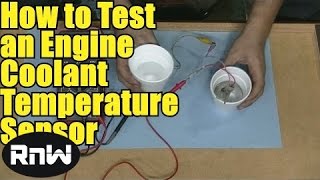
The ECT sensor is typically screwed into the engine near the thermostat housing. A good way to find it is to follow the large, upper radiator hose from the radiator back to where it connects to the engine. 🎬 Watch: This video helps you locate the thermostat and sensor. The sensor will be a small plug with a wiring connector nearby.
Can I replace the coolant sensor myself?
Yes, this is a job most DIY mechanics can handle. You will need basic hand tools, a drain pan for coolant, and the new sensor. The basic steps involve letting the engine cool completely, disconnecting the battery, draining some coolant, unplugging and unscrewing the old sensor, installing the new one, and refilling the coolant.
Are there any recalls for the Suzuki Swift coolant sensor?
Searches of the National Highway Traffic Safety Administration (NHTSA) database did not show any specific recalls or technical service bulletins (TSBs) for the engine coolant temperature sensor on 2003-2011 Suzuki Swift models in the North American market.
What happens if I don't replace a bad ECT sensor?
Continuing to drive with a bad sensor can cause persistent problems like poor fuel economy, rough running, and failed emissions tests. The most serious risk is engine overheating if the sensor fails to trigger the cooling fans, which could lead to severe engine damage.
Helpful Videos
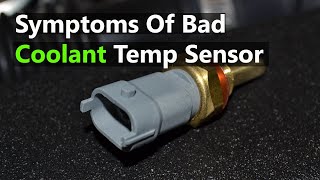


Technical Specifications
OEM Part Numbers: 13650-73H00
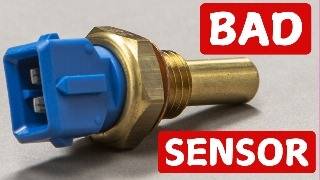
2-Pin Connector
We Have This Part in Stock


The information in this article is provided for general reference and educational purposes only. Vehicle specifications, procedures, and part compatibility can vary by production date, trim level, and region. Always consult your vehicle's factory service manual and verify part numbers before purchasing or performing repairs. Safety-critical components such as airbags, seat belts, and braking systems should be installed by a qualified professional.
- Suzuki Swift: