

A/C Compressor Guide for the 2003-2011 Toyota Corolla
If your Corolla's A/C is blowing warm, this guide will help you understand the problem and choose the right replacement compressor.
- For 2003-2008 models, always check the A/C relay first; it's a common and cheap fix.
- Denso is the Original Equipment Manufacturer (OEM) and is the most recommended aftermarket brand for reliability.
- You must replace the receiver/drier and expansion valve when replacing the compressor to prevent premature failure.
- Proper diagnosis is key, especially on 2009-2011 models where a bad flow sensor can mimic a failed compressor.
Is Your Corolla's A/C Blowing Hot Air?

A failing A/C compressor is a common issue on the 2003-2011 Toyota Corolla as it ages. When it stops working, your car's cabin can get uncomfortable fast. Symptoms often start with the air not getting as cold as it used to, strange noises when the A/C is on, or it might just stop working altogether. This guide will walk you through the common symptoms, known issues for your specific Corolla, and how to choose the best aftermarket compressor to get your A/C blowing cold again.
First, Check the Simple Stuff
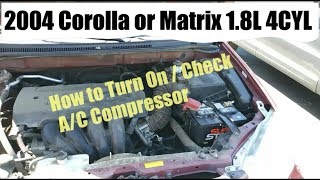
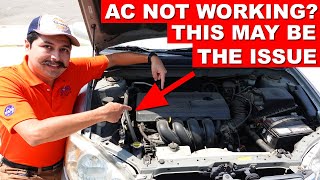
Before you condemn the compressor, check the A/C relay. For the 2003-2008 Corolla, a faulty A/C magnetic clutch relay (labeled MG CLT in the under-hood fuse box) is a very common problem that prevents the compressor from turning on. You can often swap it with the horn relay to test if it's the problem. If the horn works and your A/C starts blowing cold with the swapped relay, you've found your cheap fix. 🎬 Watch: How to test and replace your A/C relay For 2009-2011 models, the system is slightly different and may involve a flow sensor on the compressor itself.
Generational Differences (2003-2008 vs. 2009-2011)

This year range covers two Corolla generations, and there are differences in the A/C systems:
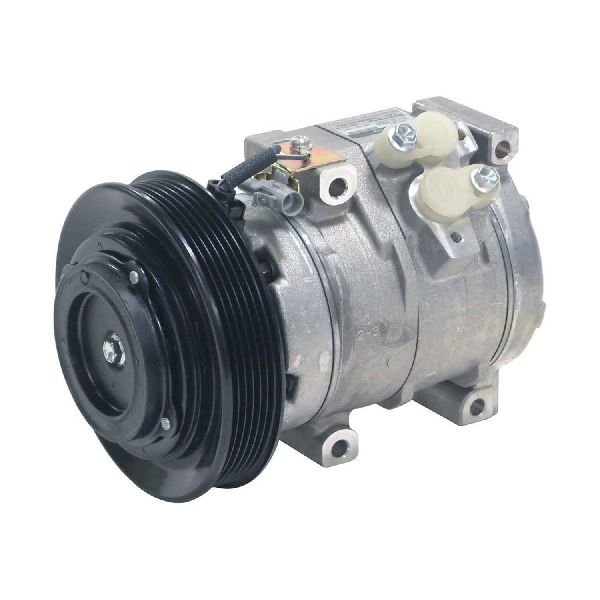
- 9th Gen (2003-2008): These models typically use a Denso 10S15L type compressor. They are known for the A/C relay issue mentioned above. Some 2005 models were also noted for having issues with debris damaging the condenser because of an unprotected grille.
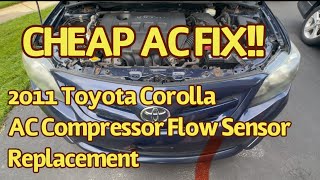
- 10th Gen (2009-2011): These models use a different, clutchless Denso 6SEU14C type compressor. These compressors are always spinning but are controlled internally by a flow sensor or control valve. A failure of this sensor can mimic a dead compressor, so proper diagnosis is key. 🎬 See this quick fix for 2009-2011 Corolla A/C issues
Choosing the Right Aftermarket A/C Compressor

When your original compressor fails, you have several options. For the Corolla, the original part was made by Denso, which is a huge advantage.
Brand Tiers for Your Corolla
- OEM Supplier (Denso): This is your best option. An aftermarket Denso compressor is often the exact same part that came on your car from the factory, just sold in a Denso box instead of a Toyota box. They offer the best fit, performance, and longevity.
- High-Quality Aftermarket (Valeo, Nissens): Brands like Valeo and Nissens are also original equipment suppliers for many carmakers and have a strong reputation for quality. They are a solid choice if a Denso part isn't available or if there's a significant price difference.
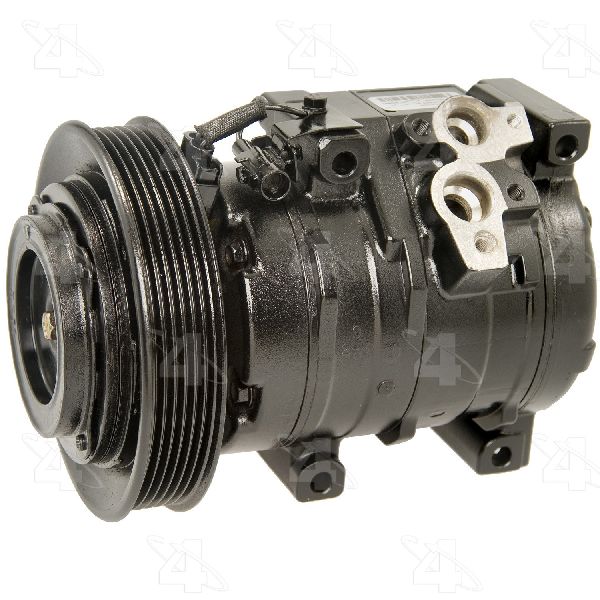
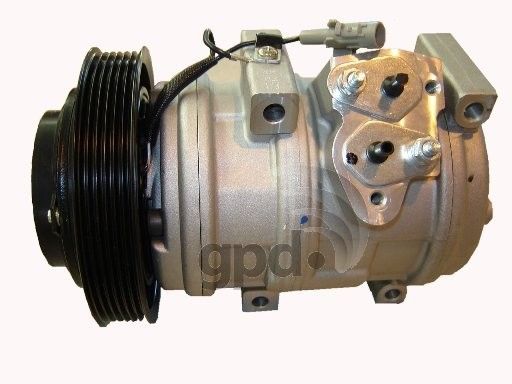
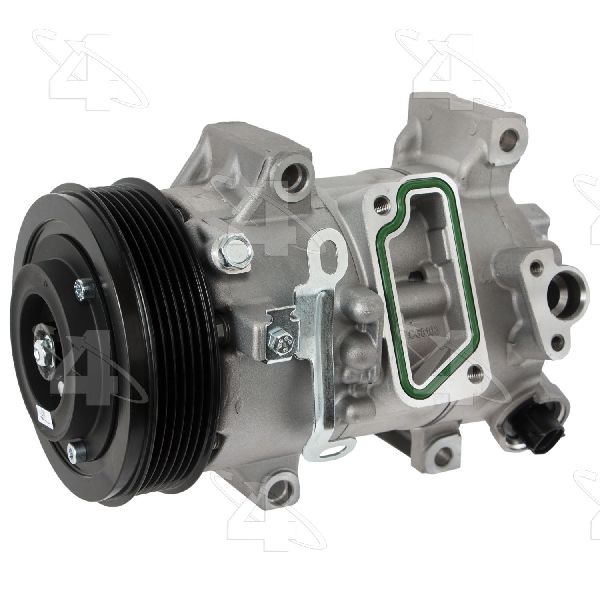
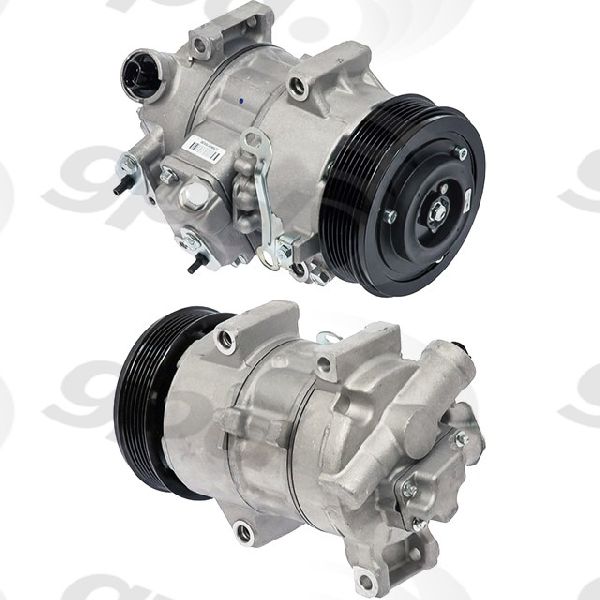
- Standard Aftermarket (Four Seasons, Global Parts): These brands offer a more budget-friendly solution. Quality can be more variable than OEM suppliers. They are a decent choice if you're on a tight budget, but may not have the same lifespan as a Denso or Valeo unit.
Always Replace Associated Parts
When you replace the A/C compressor, you MUST also replace the receiver/drier (or accumulator) and the expansion valve. Most compressor warranties require this. If the old compressor failed internally, it sent metal debris through the system. You must have the system professionally flushed to remove this debris, or your new compressor will fail immediately.
Estimated Replacement Costs
The cost to replace an A/C compressor can vary widely based on the parts you choose and local labor rates. Here's a general breakdown:
| Part/Service | Estimated Cost |
|---|---|
| New Aftermarket Compressor | $257 - $779 |
| Shop Labor & System Recharge | $250 - $500+ |
| Total Estimated Cost | $500 - $1300+ |
Frequently Asked Questions

Do I have to replace the whole compressor if just the clutch is bad?
For most 2003-2011 Corollas, especially the later models with clutchless designs, it is more practical and often cheaper to replace the entire compressor assembly. Sourcing just a clutch and installing it can be difficult and may not save much money.
Can I replace the A/C compressor myself?
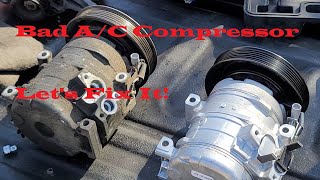
This is an advanced DIY job. While unbolting the compressor is straightforward, 🎬 Watch: Step-by-step guide to replacing the Corolla A/C compressor the A/C system is under high pressure and contains refrigerant that is harmful to the environment and requires special equipment to handle safely. You must have the system professionally evacuated before starting work and vacuumed and recharged after. For most people, this job is best left to a professional mechanic.
Was there a recall on the A/C compressor for the 2003-2011 Corolla?
No, there have been no specific NHTSA recalls for the A/C compressor on the 2003-2011 Toyota Corolla. However, Toyota has issued Technical Service Bulletins (TSBs) related to general A/C system diagnostics.
What kind of refrigerant does my 2003-2011 Corolla use?
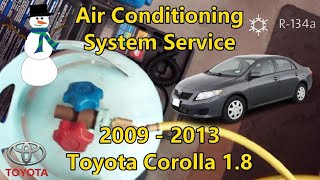
All 2003-2011 Toyota Corollas use R-134a refrigerant.
Helpful Videos
Technical Specifications
OEM Part Numbers: 88310-02182 88320-02120 88310-02520 88310-02850 88310-02851
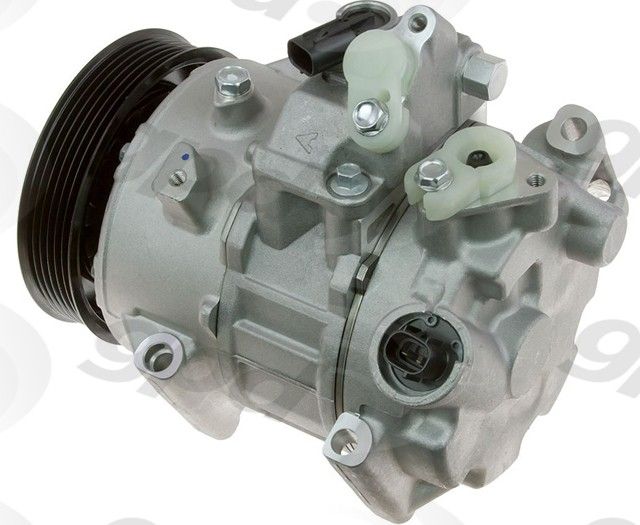
Compressor Type: Denso 10S15L (2003-2008) or Denso 6SEU14C (2009-2011). Refrigerant: R-134a. Oil: PAG 46 or PAG 100 (verify by part). Pulley: 6 or 7 groove serpentine (verify by model).
We Have This Part in Stock

The information in this article is provided for general reference and educational purposes only. Vehicle specifications, procedures, and part compatibility can vary by production date, trim level, and region. Always consult your vehicle's factory service manual and verify part numbers before purchasing or performing repairs. Safety-critical components such as airbags, seat belts, and braking systems should be installed by a qualified professional.
- Toyota Corolla:
- 🎬 Helpful Videos
- 🛍️ Shop This Part
- Is Your Corolla's A/C Blowing Hot Air?
- First, Check the Simple Stuff
- Generational Differences (2003-2008 vs. 2009-2011)
- Choosing the Right Aftermarket A/C Compressor
- Brand Tiers for Your Corolla
- Always Replace Associated Parts
- Estimated Replacement Costs
- Frequently Asked Questions
- 🎟️ Get 5% Off