

Toyota Corolla Catalytic Converter Guide (2003-2011)
Everything you need to know before replacing the catalytic converter on your 2003-2011 Toyota Corolla.
- Always diagnose the root cause of failure (e.g., bad O2 sensors, engine misfires) before installing a new converter to avoid repeat failure.
- For longevity, OEM Toyota converters are superior but very expensive; reputable aftermarket brands like MagnaFlow and Walker offer a good balance of quality and price.
- Choose a 'direct-fit' converter for your Corolla to avoid welding and ensure an easier installation.
- Verify if your state requires a more expensive CARB-compliant converter before purchasing.
Is Your Corolla's Catalytic Converter Failing?

A catalytic converter doesn't usually fail on its own. Failure is almost always a symptom of another problem, like an engine misfire, burning oil, or a bad oxygen sensor. These issues can cause unburned fuel or contaminants to enter the exhaust, overheating or coating the converter's internal structure until it melts, clogs, or breaks apart. Before you replace the converter, it's crucial to find and fix the root cause, or you'll likely ruin the new one too.
OEM vs. Aftermarket Converters for the 2003-2011 Corolla

When replacing your converter, you have two main choices: Original Equipment Manufacturer (OEM) from Toyota or an aftermarket part. For the 2003-2011 Corolla, this is a significant decision.
- OEM (Toyota): These are identical to the part your car came with. They contain a higher concentration of precious metals, making them more effective at cleaning exhaust and much more durable. The downside is the high cost. Mechanics often recommend OEM for longevity, especially if you plan to keep your Corolla for a long time.
- Aftermarket: These parts are made by third-party companies to fit your Corolla. They are significantly cheaper because they use fewer precious metals. While they can get the job done and pass an emissions test when new, they generally don't last as long as OEM parts and may be more likely to trigger a "Check Engine" light down the road. Fitment can also be an issue, with some brands requiring minor adjustments or welding.
A Note on CARB vs. EPA Converters
You will see converters labeled as "EPA Compliant" or "CARB Compliant." CARB (California Air Resources Board) converters are built to a higher standard and are required for vehicles registered in California, Colorado, New York, and Maine. All other states typically only require EPA-compliant converters. Always check your local regulations before buying.
Choosing the Right Aftermarket Brand

If you decide an aftermarket converter is right for you, brand quality matters. Here’s a general breakdown of what you can expect:
- Premium Aftermarket (MagnaFlow, Walker): These are top-tier aftermarket brands with a strong reputation for quality and fitment. MagnaFlow is often praised for its durable stainless steel construction and performance focus. Walker is known for making direct-fit parts that closely mirror OEM quality, making installation easier. While they cost more than budget brands, they are a trusted choice for a reliable repair.
- Mid-Grade Aftermarket (Davico, Eastern Catalytic, AP Exhaust): These brands offer a balance of affordability and function. Davico is a popular choice known for good warranty support, though some users report fitment can be hit-or-miss, sometimes requiring small adjustments. Eastern Catalytic and AP Exhaust are also solid, widely available options that provide good value for drivers on a budget.
- Economy Aftermarket (Evan Fischer, Original Performance): These are typically the most budget-friendly options. They can be a good choice if you need to get your car back on the road for the lowest possible cost, but be prepared for potential challenges with fitment and a shorter lifespan compared to premium brands.
Direct-Fit vs. Universal-Fit
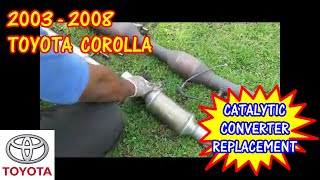
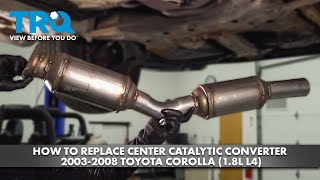
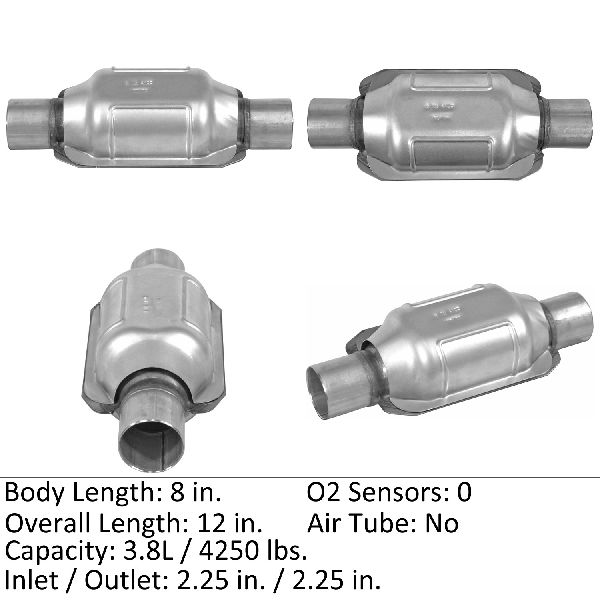
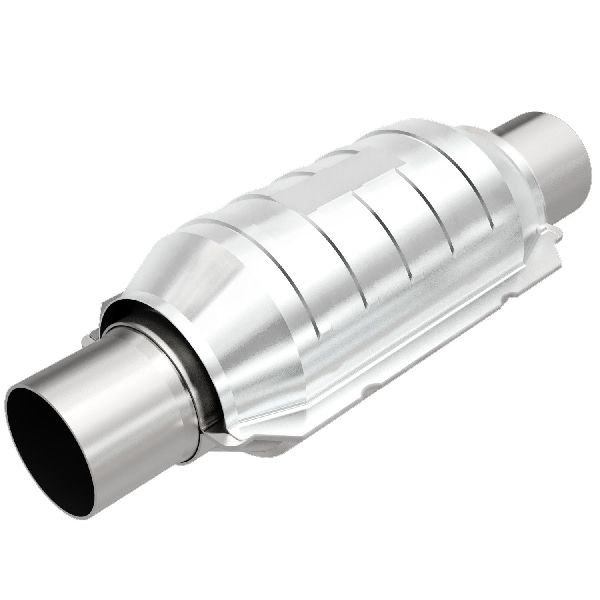
For a 2003-2011 Corolla, a direct-fit converter is strongly recommended. These are designed to bolt directly into place with no cutting or welding required. 🎬 See this step-by-step guide for replacing the center catalytic converter A universal-fit converter is cheaper but will require a professional to cut your exhaust pipe and weld the new converter in, adding labor costs and complexity.
Common Ordering Mistakes for Corolla Owners

- Ignoring Emissions Requirements: Buying an EPA-compliant part when you live in a CARB state will result in a failed inspection. Double-check your state's laws.
- Not Fixing the Root Cause: As mentioned, a new converter will fail quickly if the original problem (e.g., bad O2 sensor, oil leak) isn't repaired first.
- Buying Universal Instead of Direct-Fit: Opting for a universal part to save a few dollars often leads to higher installation costs and potential fitment headaches.
- Forgetting Gaskets and Hardware: Most direct-fit kits come with the necessary gaskets and spring bolts, but it's always wise to confirm. Reusing old, rusty hardware is a recipe for exhaust leaks.
| Part/Service | Estimated Cost |
|---|---|
| New OEM Part | $1,900 - $2,600 |
| New Aftermarket Part | $87 - $1,423 |
| Shop Labor | $130 - $250 |
Frequently Asked Questions
Why is the P0420 code so common on this Corolla?
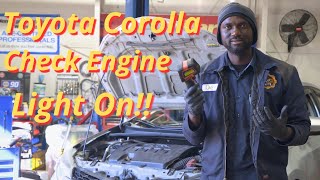
The P0420 code ("Catalyst System Efficiency Below Threshold") is a very common check engine light code for many vehicles, including the 2003-2011 Corolla. It means the computer has detected that the catalytic converter is no longer cleaning the exhaust as efficiently as it should. While this often points to a failing converter, it can also be triggered by a faulty oxygen sensor, an exhaust leak, or an engine issue that affects the air/fuel mixture. Always have these other components checked before assuming the converter is bad.
🎬 Watch: How to diagnose a P0420 code on your CorollaDo I need to replace my oxygen sensors with the catalytic converter?
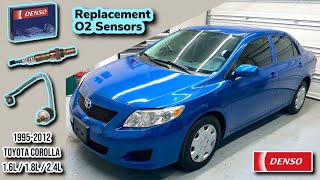
It is highly recommended. The oxygen sensors (O2 sensors) measure the exhaust gases before and after the converter. Their readings tell the car's computer if the converter is working. If the old sensors are sluggish or contaminated, they can send bad data, potentially causing the new converter to operate inefficiently or even trigger a P0420 code again. Replacing them at the same time is a smart investment.
🎬 Watch: How to replace the oxygen sensors on your CorollaCan I clean my catalytic converter instead of replacing it?
Generally, no. While some fuel additives claim to clean catalytic converters, they are unlikely to fix a converter that is truly clogged, melted, or has a broken internal structure. If the converter is physically damaged or contaminated to the point of triggering a check engine light, replacement is the only reliable solution.
Was there a recall on the catalytic converter for the 2003-2011 Corolla?
My search did not find any specific catalytic converter recalls for the 2003-2011 Toyota Corolla. There was a Special Service Campaign for some Toyota Tacoma models where the converter could deteriorate, but this did not apply to the Corolla. Always check the NHTSA website with your vehicle's VIN for the most up-to-date recall information.
Helpful Videos
Technical Specifications
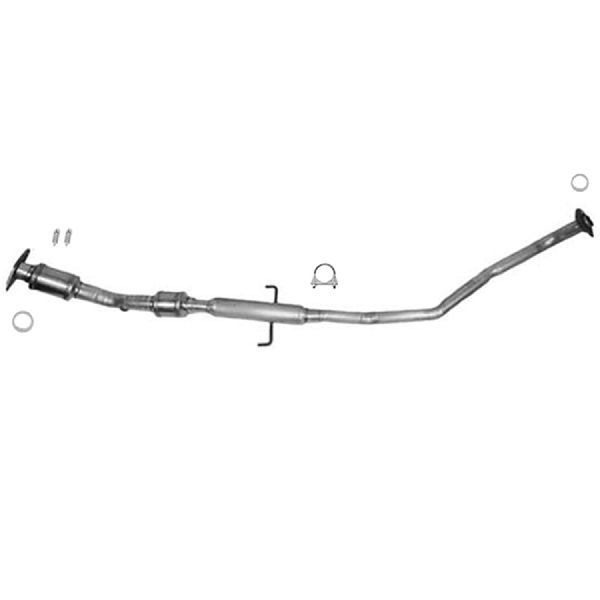
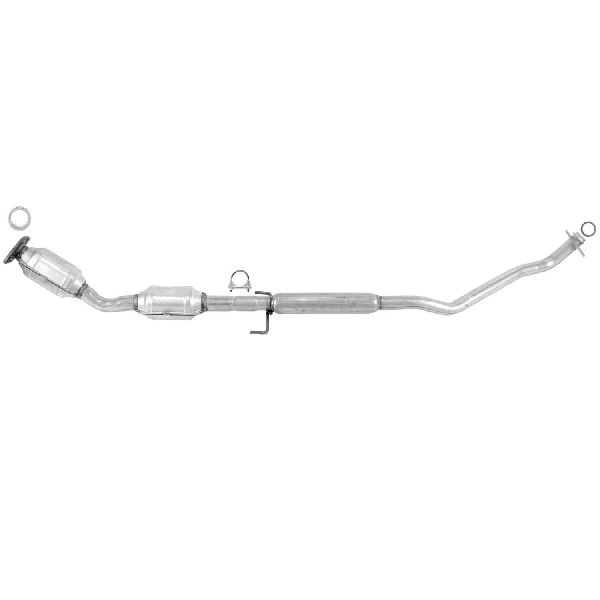
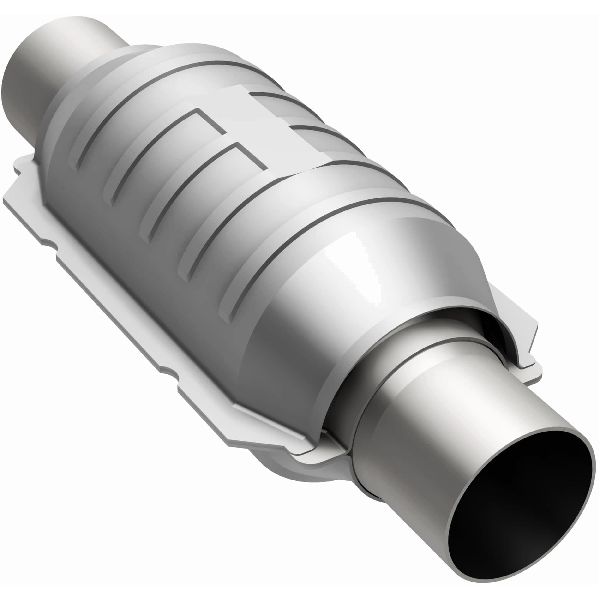
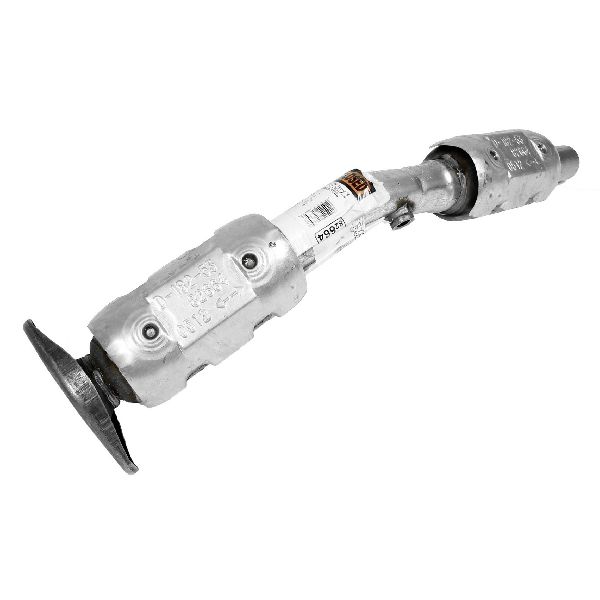
For the 2003-2008 models, the catalytic converter is often integrated with the front exhaust pipe. For 2009-2011 models, the design may vary. Direct-fit replacements are available for both configurations, typically bolting on between the exhaust manifold and the mid-pipe.
We Have This Part in Stock

The information in this article is provided for general reference and educational purposes only. Vehicle specifications, procedures, and part compatibility can vary by production date, trim level, and region. Always consult your vehicle's factory service manual and verify part numbers before purchasing or performing repairs. Safety-critical components such as airbags, seat belts, and braking systems should be installed by a qualified professional.
- Toyota Corolla:
- 🎬 Helpful Videos
- 🛍️ Shop This Part
- Is Your Corolla's Catalytic Converter Failing?
- OEM vs. Aftermarket Converters for the 2003-2011 Corolla
- A Note on CARB vs. EPA Converters
- Choosing the Right Aftermarket Brand
- Direct-Fit vs. Universal-Fit
- Common Ordering Mistakes for Corolla Owners
- Frequently Asked Questions
- 🎟️ Get 5% Off