

Suspension Stabilizer Bar Link Kit Guide for the 2003-2012 Mazda 6
Eliminate clunking noises and restore handling by choosing the right stabilizer links for your Mazda 6.
- A clunking noise over bumps is the most common symptom of failure.
- Replacement is a manageable DIY job, but be prepared for rusted nuts.
- Always replace links in pairs (both front or both rear) for balanced handling.
- Consider aftermarket brands like Mevotech or Delphi for an OE-quality repair, or Whiteline for a performance upgrade.
Is Your Mazda 6 Making a Clunking Noise?
One of the most common signs of a failing stabilizer bar link on a 2003-2012 Mazda 6 is a distinct clunking or rattling sound from the front or rear suspension. This noise is most noticeable when driving over bumps, uneven roads, or during turns. You might also notice that your car's handling feels sloppy, with more body roll than usual in corners. A visual inspection may reveal a broken link or a ball joint with excessive play.
Known Issues for the 2003-2012 Mazda 6
While there are no specific recalls from the National Highway Traffic Safety Administration (NHTSA) for the stabilizer bar links on this generation of Mazda 6, there are related suspension recalls to be aware of. For 2009-2010 and 2011-2013 models, recalls were issued for front crossmember corrosion in states that use road salt. This corrosion can affect the mounting point of the lower control arm, which indirectly impacts the entire suspension system's integrity. Worn struts can also cause stabilizer links to fail prematurely by forcing them to absorb more impact.
Choosing the Right Aftermarket Stabilizer Link
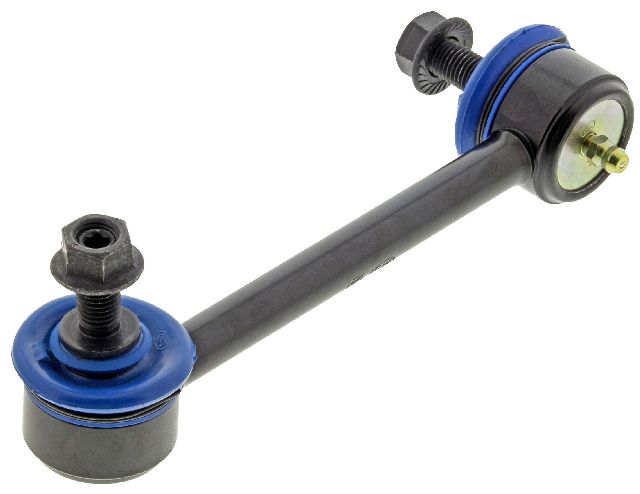
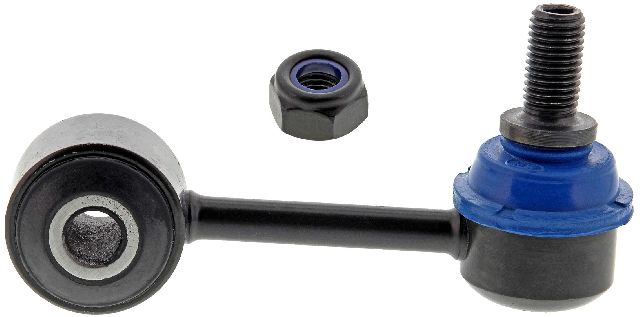
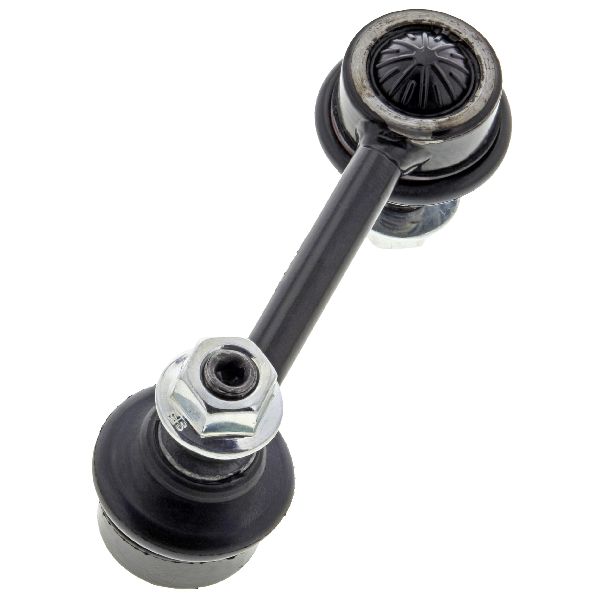
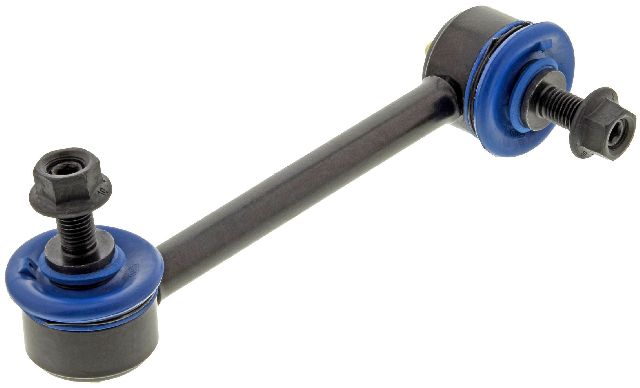
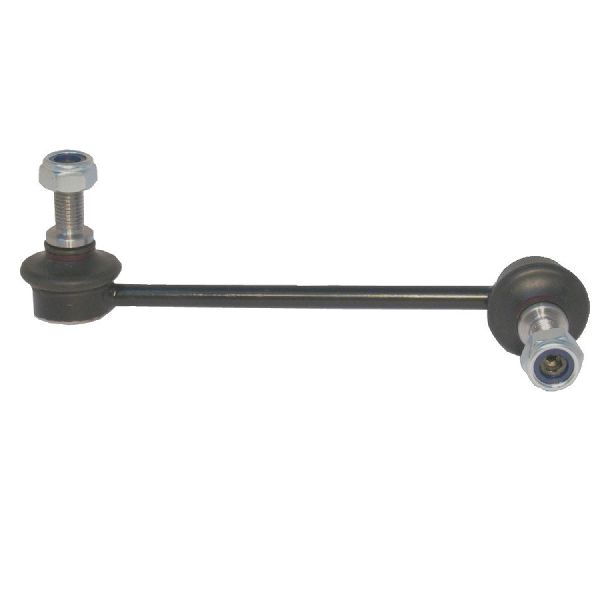
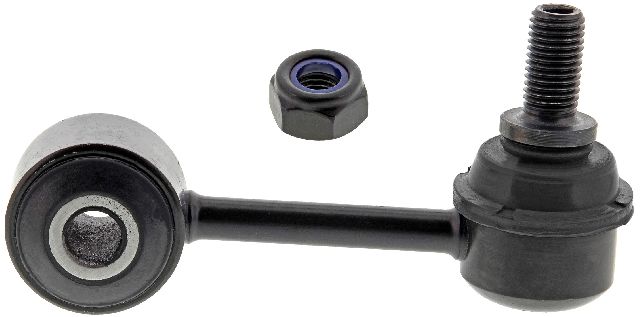
For the Mazda 6, the original equipment (OEM) links are considered effective, but quality aftermarket options can offer better value or improved performance. Aftermarket brands often provide features not found on stock parts, like greaseable fittings for longer life or heavier-duty construction.
Aftermarket Brand Tiers for Mazda 6
| Tier | Brands | Characteristics & Best Use |
|---|---|---|
| Economy | Dorman | A budget-friendly choice for daily driving. Quality can be variable, but they provide a cost-effective solution for a standard repair. |
| OE-Style / Mid-Range | Delphi, Mevotech (Supreme), Beck Arnley | These brands aim to meet or exceed original equipment standards. Delphi is a well-regarded OE supplier. Mevotech offers multiple lines, with their "Supreme" and "TTX" tiers often featuring improvements like greaseable joints. Beck Arnley is known for sourcing parts that match the original form and fit. |
| Performance / Heavy-Duty | Whiteline | For drivers seeking improved handling and responsiveness. Whiteline links are built with stronger materials, often featuring adjustable lengths and polyurethane bushings to reduce flex and eliminate preload on the sway bar. This is a great upgrade for a more connected driving feel. |
Pro Tip: Many aftermarket links, especially from brands like Mevotech and MOOG, come with grease fittings. Regularly adding grease can flush out contaminants and extend the life of the joint. If you choose a non-greaseable (sealed) link, ensure it's from a quality brand for maximum durability.
Frequently Asked Questions
Do I need to replace stabilizer links in pairs?
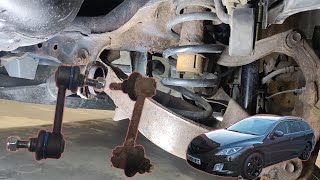
Yes, it is highly recommended to replace stabilizer links on both sides 🎬 See how to replace rear stabilizer links on a 2010 model. of the same axle (front or rear) at the same time. If one has failed due to age and wear, the other is likely not far behind. Replacing them in pairs ensures balanced handling and predictable performance from your suspension.
What are the most common mistakes when ordering?
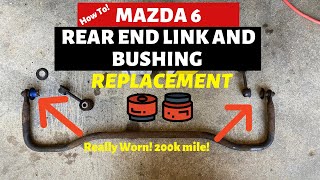
The first generation (2003-2008) and second generation (2009-2012) Mazda 6 may use different length links. Always verify the part fits your specific model year. Additionally, some models had different sway bar diameters (e.g., 18mm or 22mm), which primarily affects the sway bar bushings 🎬 Learn how to replace both rear bushings and stabilizer links. but is good to be aware of when working on the system. Always confirm fitment for your exact vehicle before purchasing.
How difficult is the replacement?
Replacing stabilizer links is a feasible DIY job for someone with basic 🎬 Watch this guide on fixing clunking noises with new links. mechanic's tools. The main challenge is often dealing with rusted nuts and bolts. Using penetrating oil beforehand is essential, and in severe cases, a torch or angle grinder may be needed to remove the old parts. The new links are straightforward to install.
What does "greaseable" vs. "sealed" mean?
Greaseable links have a small nipple (a zerk fitting) that allows you to add new grease with a grease gun. This pushes out old, contaminated grease and can prolong the part's life. Sealed links are lubricated for life at the factory and require no maintenance. Both can be durable, but greaseable links offer the potential for a longer service life if maintained.
Helpful Videos

Technical Specifications
OEM Part Numbers: GJ6A-34-170A GK2A34150A GJ6A28170B
The key specifications are the overall length (center-to-center of the mounting points) and the stud/bolt size. The 2003-2008 (Gen 1) and 2009-2012 (Gen 2) models may use different parts, so verifying by year is critical. Most replacements use a 14mm nut, and the center stud may have a hex or Allen key provision (often 5mm) to prevent spinning during installation/removal.
We Have This Part in Stock

The information in this article is provided for general reference and educational purposes only. Vehicle specifications, procedures, and part compatibility can vary by production date, trim level, and region. Always consult your vehicle's factory service manual and verify part numbers before purchasing or performing repairs. Safety-critical components such as airbags, seat belts, and braking systems should be installed by a qualified professional.
- Mazda 6: