

A Guide to Replacing Disc Brake Pads on the 2003-2012 Mitsubishi Eclipse
Everything you need to know to choose the right new aftermarket brake pads for your Eclipse.
- Crucially, you must identify if your Eclipse is a 3rd Generation (2003-2005) or 4th Generation (2006-2012) as they use different brake parts.
- Be aware of a major NHTSA safety recall for 2006-2009 4-cylinder models regarding potential ABS unit failure, which can reduce braking performance.
- For daily driving, premium ceramic pads from brands like Akebono or Bosch offer quiet, low-dust performance.
- For a performance upgrade, consider kits from Powerstop or pads from EBC Brakes, but expect potential trade-offs like increased dust or noise.
A Tale of Two Eclipses: 3G vs. 4G Brakes
Before buying brake pads for your Eclipse, you must know which generation you have. The 2003-2012 model years cover two different versions of the car, and they do not use the same brake parts. Ordering for the wrong generation will result in parts that do not fit.
- Third Generation (3G): 2003-2005 Mitsubishi Eclipse. These are the final years of the 3G body style. 🎬 Watch this complete guide to changing 3G Eclipse disc brakes.
- Fourth Generation (4G): 2006-2012 Mitsubishi Eclipse. This is a completely different platform with different brake components.
Pro Tip: Always verify the exact year, model (GS, GT, Spyder), and engine (4-cylinder or V6) when ordering. Some higher-performance GT models may have different brake sizes than base GS models.
Symptoms of Worn Brake Pads
Your Eclipse will tell you when it's time for new brake pads. Ignoring these signs can lead to more expensive repairs, like needing to replace the rotors or calipers.
- High-Pitched Squealing: Most brake pads have a small metal tab called a wear indicator. When the pad gets thin, this tab scrapes the rotor and makes a squealing noise.
- Grinding Noises: If you hear a deep, metallic grinding sound, it means your pads are completely worn away. This is a serious issue, as it means metal is grinding against metal, which quickly damages the brake rotors.
- Spongy or Soft Brake Pedal: If your brake pedal feels mushy or goes closer to the floor than usual, it could mean there is air in the brake lines or a problem with the master cylinder. Some 2006-2009 models experienced this as a symptom of a larger issue.
- Pulling to One Side: If the car pulls to the left or right when you brake, it could be a sign of a stuck caliper or unevenly worn pads.
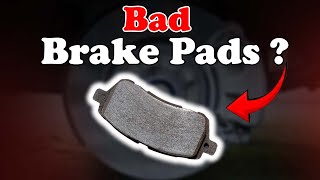
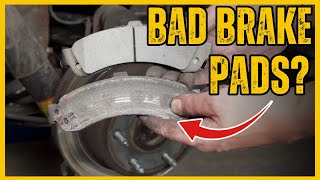
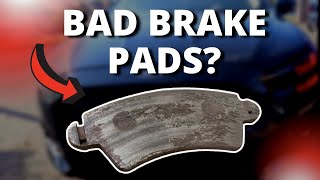
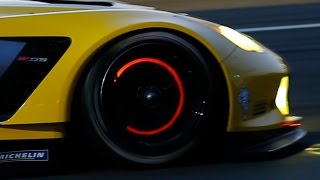
- Vibrations in the Pedal: A shaking or vibrating feeling in the brake pedal 🎬 See a visual guide to the top symptoms of bad pads. often points to warped brake rotors, which can happen from heavy use.
Known Issues, Recalls, and TSBs for 2003-2012 Eclipse Brakes
There are significant, safety-related recalls for the fourth-generation (4G) Eclipse that owners should be aware of.
- NHTSA Recall SR-15-004 (15V337): This major recall affects certain 2006-2009 Eclipse models with 4-cylinder engines. Corrosion could form inside the ABS hydraulic unit, causing valves to seize. This can lead to a longer brake pedal stroke and reduced stopping power. The fix involves dealers flushing the brake system and testing the ABS unit, replacing it if necessary.
- Master Cylinder & Brake Booster Recalls: Some 2006 models were also recalled for defective brake boosters (SR-05-002) and master cylinders (SR-05-003), which could cause a soft pedal or loss of brake pressure.
- TSB for Rear Brake Noise (TSB-19-35-002REV): Mitsubishi released a Technical Service Bulletin for a knocking or squeaking sound from the rear brakes at low speeds. The fix involves replacing the rear brake pad clips and applying grease.
Choosing the Right Aftermarket Brake Pads
Aftermarket parts offer a wide range of options for quality and price, often exceeding the performance of original equipment (OEM) parts for less money. Here’s a breakdown of popular brands to help you choose.
Tier 1: Premium OEM-Equivalent
These brands are for the owner who wants quiet, clean, and reliable braking that's as good as or better than the original factory pads. They are perfect for daily driving.
- Akebono: Often considered a top-tier choice for Japanese vehicles. Akebono pads are known for being extremely quiet, producing very little dust, and offering a smooth pedal feel.
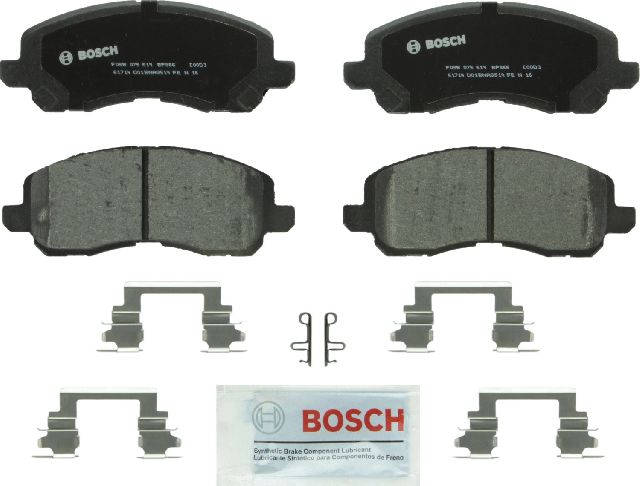
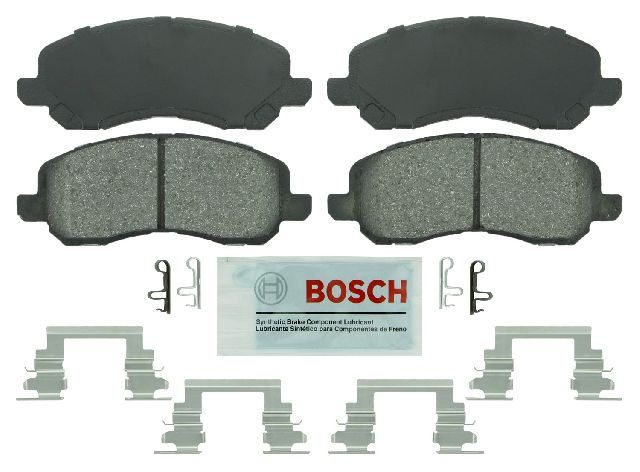
- Bosch: Bosch QuietCast pads are another popular premium option, focusing on quiet operation and low dust.
- Brembo: While famous for high-performance big brake kits, Brembo also makes excellent OEM-replacement pads that provide great quality and performance.
Tier 2: Performance & Sport Upgrades
For the Eclipse owner who enjoys spirited driving. These pads offer more bite and better resistance to brake fade at high temperatures, but may create more dust or noise than premium ceramic pads.
- EBC Brakes: A favorite among enthusiasts, EBC offers different compounds like Greenstuff for sport driving, Redstuff for a low-dust performance ceramic, and Yellowstuff for aggressive street/track use.
- Powerstop: Very popular for their complete brake kits (Z23 Evolution Sport, Z26 Street Warrior) that often include drilled and slotted rotors. They provide a noticeable performance increase over stock for a reasonable price.
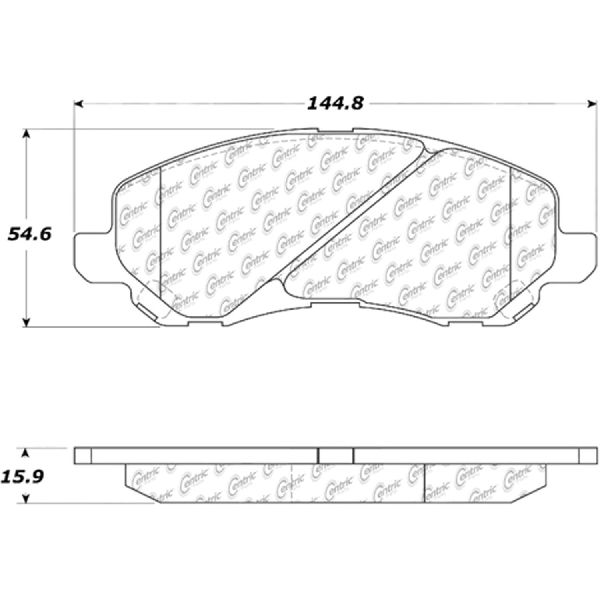
- StopTech / Centric Posi Quiet: StopTech offers sport-focused pads, while their parent company Centric offers Posi Quiet pads that are a solid step up from basic replacements.
Tier 3: Daily Driver & Value
These brands provide safe, reliable stopping power that meets or exceeds federal standards. They are excellent, budget-friendly choices for daily commuting.
- Raybestos: A long-standing brand with a reputation for quality, their Element3 line offers enhanced performance and technology.
- Wagner: Wagner's OEx and ThermoQuiet lines are widely available and known for durability and quiet performance.
- Dynamic Friction / Centric / Pronto: These brands offer a huge range of affordable pads that are a dependable choice for getting your Eclipse back on the road safely.
| Item | Estimated Cost |
|---|---|
| New Aftermarket Brake Pad Set (per axle) | $21 - $144 |
| New OEM Brake Pad Set (per axle) | $50 - $150 |
| Shop Labor Cost (per axle) | $163 - $239 |
| Total Professional Replacement (per axle) | $276 - $352 |
Frequently Asked Questions (FAQ)
What's the difference between ceramic and semi-metallic pads?
Ceramic pads are known for being quiet and producing very little light-colored dust, making them great for daily drivers who want clean wheels. Semi-metallic pads contain metal fibers that help dissipate heat and provide a stronger "bite," but they are often noisier and create more dark-colored dust.
Do I need to replace my rotors at the same time as my pads?
It is highly recommended. New pads need a smooth, flat surface to bed-in correctly. Putting new pads on old, worn rotors can cause noise, vibrations, and reduced performance. Most shops will insist on replacing or resurfacing rotors with a pad change.
What is "bedding-in" new brakes?
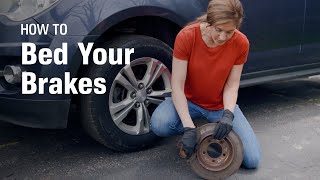
Bedding-in is the process of transferring a thin, even layer of friction material from the new pads onto the new rotors. This is done through a series of controlled stops from different speeds. It is crucial for 🎬 Watch this video to learn how and why to bed brakes. preventing vibrations and ensuring optimal performance and pad life. Brands like PowerStop and EBC provide specific bedding-in instructions with their pads.
Is replacing brake pads a good DIY project?
Yes, for a mechanically inclined person with the right tools, replacing brake pads and rotors is a very manageable job. It requires safely lifting and supporting the vehicle, a basic socket set, a C-clamp or piston compression tool, and a torque wrench. Following a vehicle-specific guide is essential.
Helpful Videos
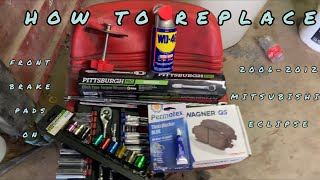
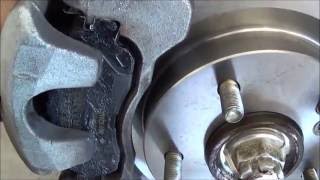
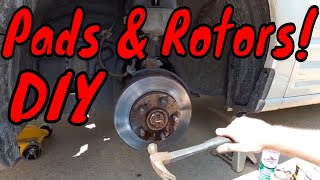
Technical Specifications
OEM Part Numbers: 4605B481 (Note: This is an example for a different model, Eclipse numbers vary greatly) 4605A487 MR407112 MR955065
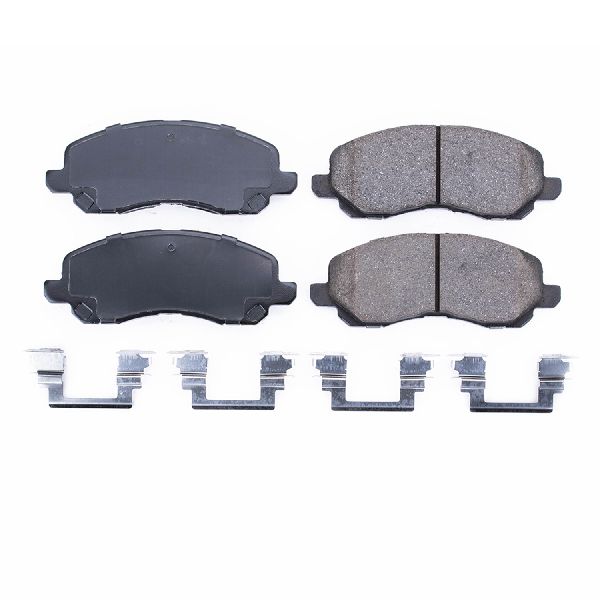
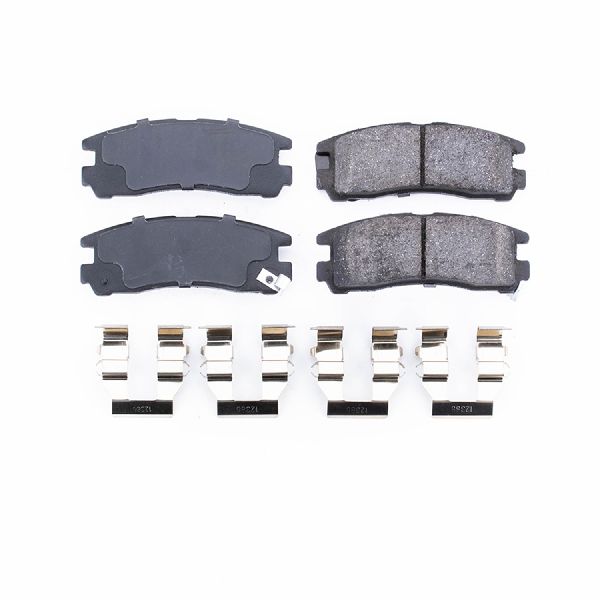
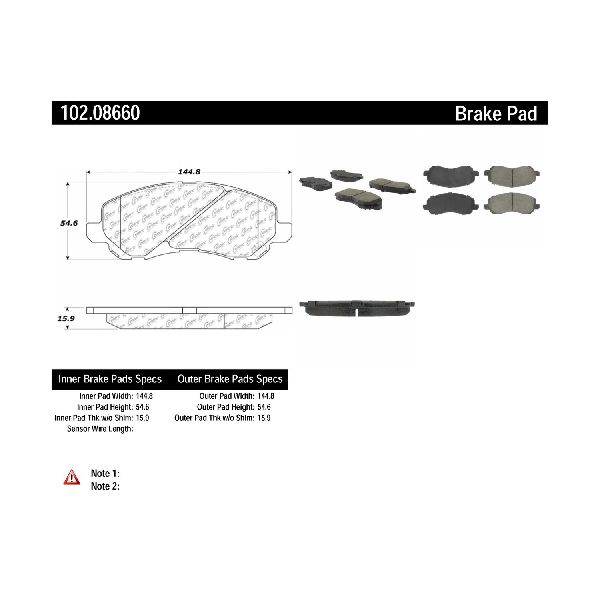
Brake pad fitment varies significantly between 3G (2003-2005) and 4G (2006-2012) generations, and also by trim level (GS, GT, Spyder) and engine size (2.4L I4 vs 3.8L V6). Front and rear pads are different and sold in separate sets. Always confirm fitment with your vehicle's specific details before purchasing.
We Have This Part in Stock

The information in this article is provided for general reference and educational purposes only. Vehicle specifications, procedures, and part compatibility can vary by production date, trim level, and region. Always consult your vehicle's factory service manual and verify part numbers before purchasing or performing repairs. Safety-critical components such as airbags, seat belts, and braking systems should be installed by a qualified professional.
- Mitsubishi Eclipse:
- 🎬 Helpful Videos
- 🛍️ Shop This Part
- A Tale of Two Eclipses: 3G vs. 4G Brakes
- Symptoms of Worn Brake Pads
- Known Issues, Recalls, and TSBs for 2003-2012 Eclipse Brakes
- Choosing the Right Aftermarket Brake Pads
- Tier 1: Premium OEM-Equivalent
- Tier 2: Performance & Sport Upgrades
- Tier 3: Daily Driver & Value
- Frequently Asked Questions (FAQ)
- 🎟️ Get 5% Off