

Mitsubishi Galant 2003-2012 Disc Brake Pad Set: A Complete Guide
Stop the guesswork and choose the right brake pads for your Galant's specific needs and driving style.
- Double-check fitment for your specific year; 2003 is a different generation than 2004-2012.
- To prevent noise, always use new hardware clips and clean the caliper bracket thoroughly, as recommended by a Mitsubishi TSB.
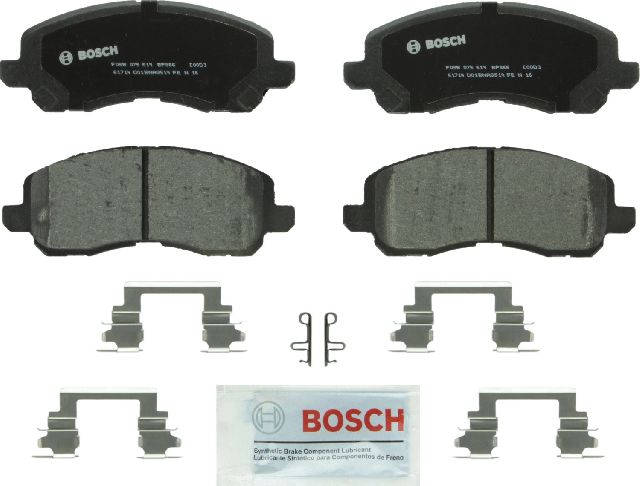
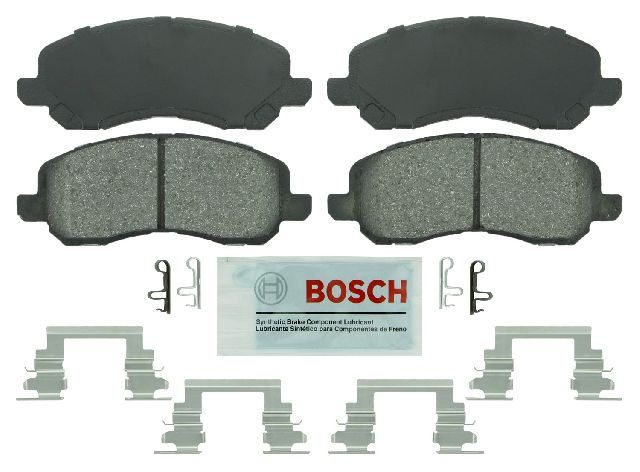
- For most owners, a quality ceramic pad set from a brand like Akebono or Bosch offers the best balance of quiet performance and low dust.
- Brake replacement is a critical safety repair. If you hear grinding, stop driving and have the vehicle inspected immediately.
Is Your Galant a 2003 or a 2004-2012? It Matters.
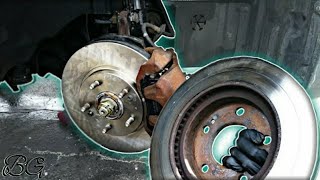
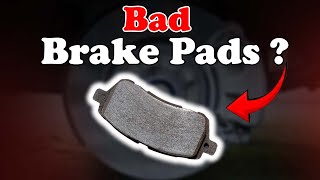
Before buying brake pads, it's crucial to identify your Galant's generation. The 2003 model year was the end of the 8th generation, while 2004-2012 marked the 9th generation. 🎬 Watch: Complete brake pad and rotor replacement for 2004-2012 models. While some parts sellers may group these years, the front and rear brake systems can have different part numbers. Always verify the exact fitment for your specific year, model (DE, ES, SE, GTS, Ralliart), and engine size (4-cylinder or V6) to avoid ordering the wrong parts.
Symptoms of Worn Brake Pads
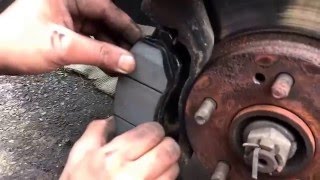
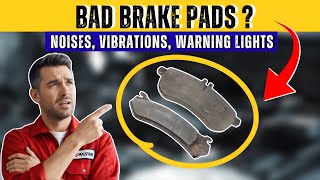
Your Galant will give you clear signs when it's time for new brake pads. Ignoring them can lead to more expensive repairs, 🎬 See a visual guide to the top symptoms of bad pads. like replacing rotors.
- Squealing or Screeching: Most brake pads have a small metal tab called a wear indicator. When the pad material gets low, this tab scrapes against the rotor, making a high-pitched squeal as a warning.
- Grinding Noises: If you hear a deep, metallic grinding sound, stop driving immediately. This means the pad material is completely gone, and the metal backing plate is grinding against the rotor, causing severe damage.
- Pulsing or Vibrating Pedal: While often a sign of warped rotors, this can also be caused by uneven pad deposits on the rotor surface.
- Longer Stopping Distances: If you notice your car takes longer to stop than it used to, your pads may be worn out and unable to create enough friction.
Important Safety Information: Recalls & TSBs
Aftermarket Rotor Recall: There was a recall for aftermarket Duralast brand brake rotors (Part No. 5399) sold by AutoZone between January and November 2012, which were found to be at risk of fracturing. This affected 2001-2012 Galant models. While this was not for brake pads, it highlights the importance of using quality components.
Technical Service Bulletin (TSB) for Noise: Mitsubishi issued a TSB (TSB-24-35-001) for noise from the front brakes when braking or turning. The cause is often the original brake pad retainers (hardware clips) deforming and touching the rotor. The fix involves installing new, improved clips and thoroughly cleaning the caliper bracket where they sit. Pro-Tip: Always use the new hardware that comes with a quality brake pad set.
Choosing the Right Aftermarket Brake Pads
Aftermarket pads offer a wide range of options. The best choice depends on your budget and how you drive. Pads generally come in three materials: organic, semi-metallic, and ceramic. For the Galant, ceramic and semi-metallic are the most common and recommended choices.
Brand Tiers for Your Galant
Economy (Basic Use & Budget-Friendly):
These pads meet basic safety standards and are great for drivers on a tight budget. They offer reliable stopping for normal commuting but may wear faster or create more dust than premium options.
Brands: Pronto, Dynamic Friction, Total Stopping Solutions, store brands like Carquest/Duralast.
Standard / OE-Match (Quiet & Clean Daily Driving):
This is the sweet spot for most Galant owners. These pads are designed to match or exceed the performance of the original factory pads, focusing on quiet operation and low dust. Ceramic pads are common in this category.
Brands: Akebono (often an OEM supplier for Japanese vehicles, known for being extremely quiet and low-dust), Bosch, Wagner, Raybestos, Centric (Posi-Quiet).
Performance / Premium (Enhanced Stopping Power):
If you have a V6 Galant, drive in heavy traffic, or simply want a more responsive and powerful brake feel, these are for you. They provide the best stopping power, especially at high temperatures, but may create more dust and noise, and can wear faster than standard pads.
Brands: Powerstop, EBC Brakes, Brembo, StopTech, Akebono Performance Series.
| Item | Estimated Cost |
|---|---|
| New Aftermarket Brake Pad Set | $21.20 - $144.01 |
| Shop Labor for Installation (one axle) | $160 - $235 |
| Total Professional Installation (one axle) | $181 - $380 |
Frequently Asked Questions (FAQ)
Can I install brake pads myself?
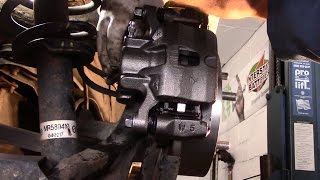
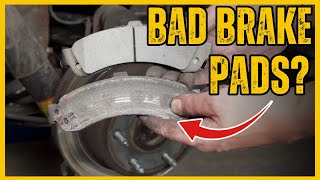
Yes, replacing brake pads on a 2003-2012 Galant is a manageable DIY job for someone with basic mechanical skills and the right tools. You will need a jack and jack stands, a socket set (14mm is needed for caliper bolts), a large C-clamp to compress the caliper piston, and brake grease. Always consult a repair guide or video 🎬 Watch: Step-by-step front brake pad change for the 2003 Galant. specific to your vehicle.
Should I choose ceramic or semi-metallic pads?
For most Galant owners doing daily commuting, ceramic pads are the best choice. They are quiet, produce very little brake dust (keeping your wheels cleaner), and are gentle on rotors. If you prefer a stronger initial bite and are a more aggressive driver, semi-metallic pads offer better performance in a wider range of temperatures but are typically noisier and dustier.
Do I need to replace my rotors at the same time?
Not always, but it's highly recommended to inspect them. If your rotors are smooth, have no deep grooves, and are above the minimum thickness specification (stamped on the rotor itself), they can often be reused. However, for the best performance and to ensure a long life for your new pads, it's best practice to either resurface the rotors or replace them. If you've experienced grinding, you must replace the rotors.
Why are my new brakes making noise?
New brakes can make noise for a few reasons. First, there is a break-in period where the pads need to bed into the rotors. Second, improper installation is a common cause. This could be from failing to use new hardware clips, not cleaning the caliper bracket as noted in the TSB, or not lubricating the caliper slide pins. If the noise persists after a few hundred miles, have them inspected.
Helpful Videos
Technical Specifications
OEM Part Numbers: 4605A487 4605A261 MR527674 MN102618
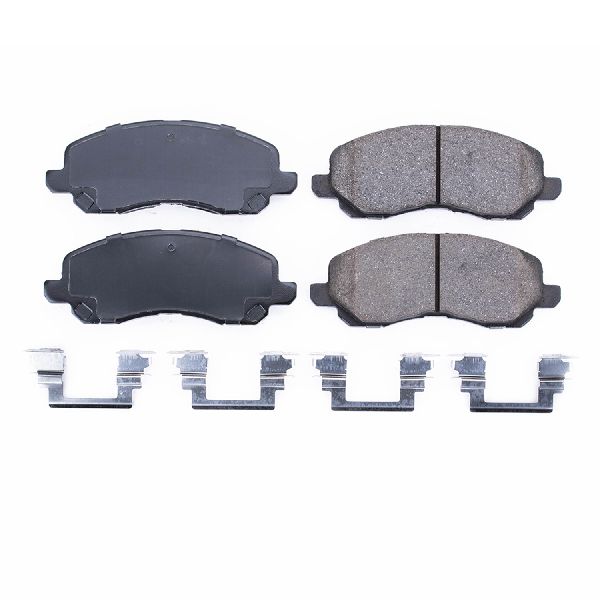
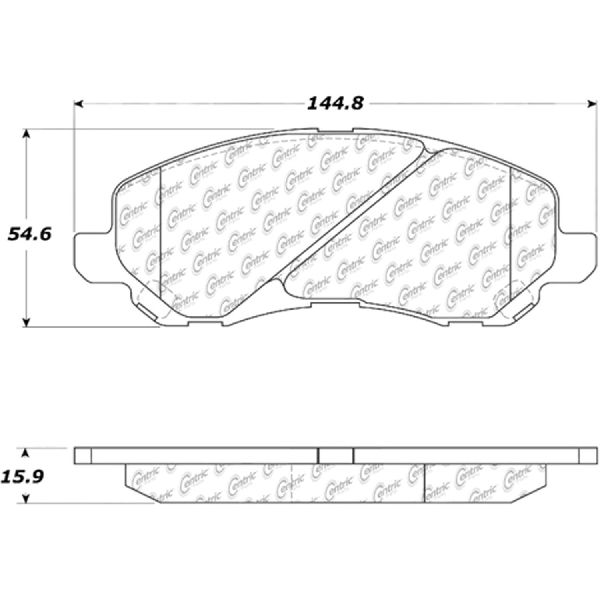
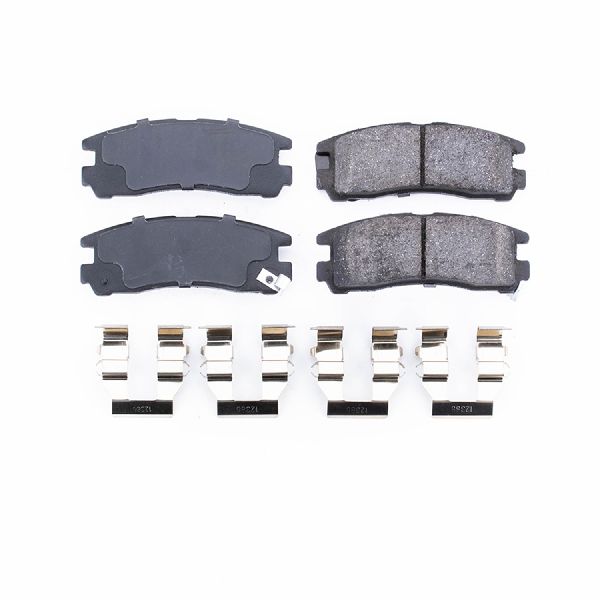
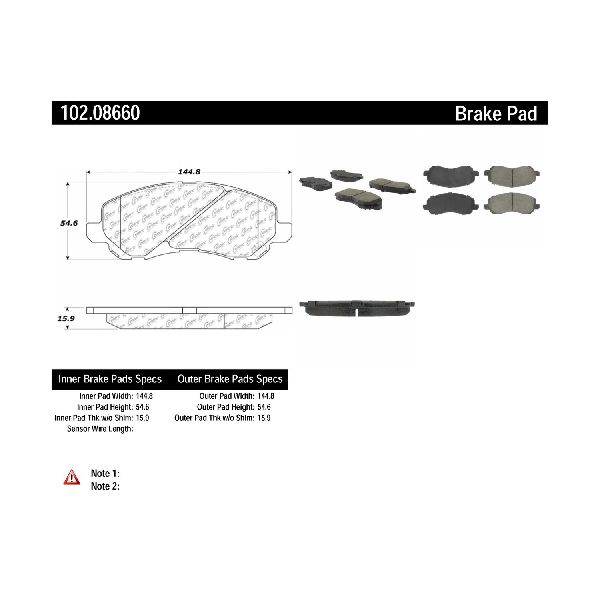
Brake pad fitment varies by year (2003 vs 2004-2012), trim level, and engine size (2.4L I4 vs 3.8L V6). Front and rear pads are different and sold as separate sets. Most aftermarket sets include new hardware clips and a packet of brake grease.
We Have This Part in Stock

The information in this article is provided for general reference and educational purposes only. Vehicle specifications, procedures, and part compatibility can vary by production date, trim level, and region. Always consult your vehicle's factory service manual and verify part numbers before purchasing or performing repairs. Safety-critical components such as airbags, seat belts, and braking systems should be installed by a qualified professional.
- Mitsubishi Galant: