

Mitsubishi Outlander A/C Receiver Drier Guide (2003-2012)
Keep your Outlander's A/C blowing ice cold by understanding this critical, but often overlooked, part.
- For 2007-2012 Outlanders, the drier is part of the condenser and must be replaced as a single assembly.
- The receiver drier MUST be replaced any time the A/C system is opened for a major repair, like a compressor replacement.
- Denso is the recommended aftermarket brand for OEM-level quality and fit on a Mitsubishi.
- This is not a DIY job for most people due to the legal requirement and specialized equipment needed to handle refrigerant.
Is Your Outlander's A/C Not as Cold as It Used to Be?
If your 2003-2012 Mitsubishi Outlander's air conditioning isn't performing well, you might be looking at a failing compressor or a refrigerant leak. However, a small but vital component called the A/C receiver drier plays a huge role in the health of your entire A/C system. This part rarely fails on its own, but it is a mandatory replacement item any time the A/C system is opened for major repairs. Ignoring it can lead to the quick failure of a brand new A/C compressor.
First vs. Second Generation Outlander: A Critical Difference
It is very important to identify your Outlander's generation before buying parts:
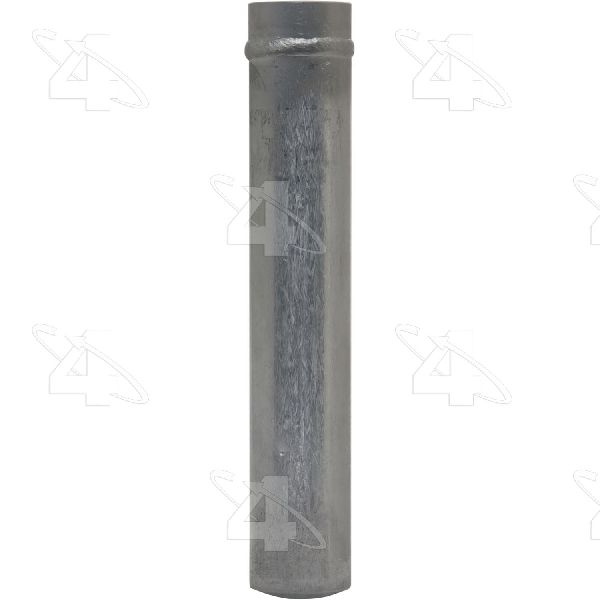
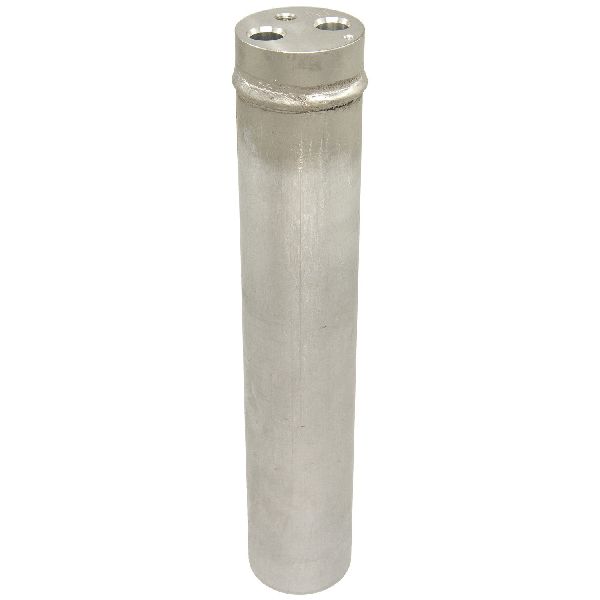
- First Generation (2003-2006): On these models, the A/C receiver drier is a separate, can-shaped component. It is typically located in the engine bay, near the passenger side fender or front bumper area.
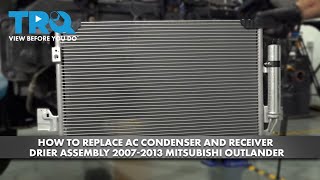
- Second Generation (2007-2012): For this generation, Mitsubishi integrated the receiver drier directly into the A/C condenser. This means you cannot buy the drier by itself; you must purchase a new condenser/drier assembly. 🎬 Watch: Step-by-step condenser and drier assembly replacement walkthrough.
Symptoms of a Saturated or Failing Receiver Drier
While the drier usually doesn't cause a sudden failure, a clogged or saturated one can lead to several problems:
- Poor A/C Cooling: A clogged drier can restrict the flow of refrigerant, leading to weak cooling performance.
- Moldy or Musty Smell: When the desiccant can no longer absorb moisture, mold and mildew can grow in the A/C system, causing a bad smell from the vents.
- Foggy Windows You Can't Clear: Reduced A/C performance also impacts the system's ability to dehumidify the air, making it difficult to clear interior window fog.
- Rattling Noises: In rare cases, the desiccant bag inside can break apart, sending debris through the system and causing rattling or damage to other components.
Mandatory Replacement Item
You should always replace the receiver drier (or condenser/drier assembly) whenever you replace the A/C compressor or have the system open for any major service. The desiccant material inside becomes saturated with moisture the moment it's exposed to outside air, making the old part useless. Most warranties for new A/C compressors require proof that you also replaced the drier.
Choosing the Right Aftermarket Receiver Drier
For a part this critical to the longevity of your A/C system, quality matters. Here’s a breakdown of the available brands.
Premium Aftermarket (OEM Quality)
These brands are known for excellent quality, fit, and durability, often matching or exceeding the original part.
- Denso: Denso is a well-respected Japanese parts manufacturer and is often the original equipment (OEM) supplier for Mitsubishi. Choosing Denso is the closest you can get to buying a genuine part without the dealership price tag. Fit and performance are considered top-tier.
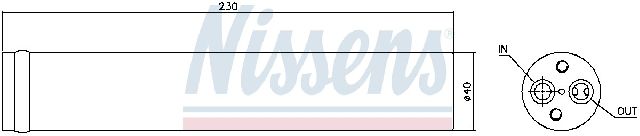
- Nissens: A European brand with a strong reputation for A/C and cooling components. They are known for high-quality manufacturing and are a solid alternative to Denso, though some users on other platforms have noted occasional fitment issues requiring minor modification.
Standard Aftermarket (Economy)
These brands offer a balance of affordable price and reliable function. They are a good choice for budget-conscious repairs.
- Four Seasons: One of the largest and most common aftermarket A/C brands. Their parts are widely available and generally get the job done. While many have used them without issue, they are not typically held in the same high regard as Denso for Japanese vehicles.
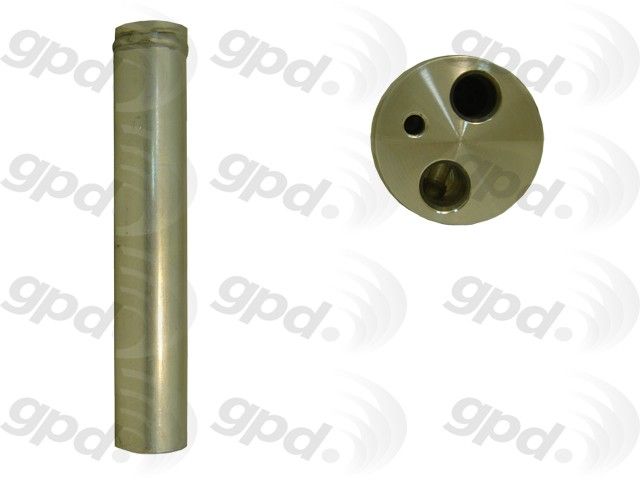
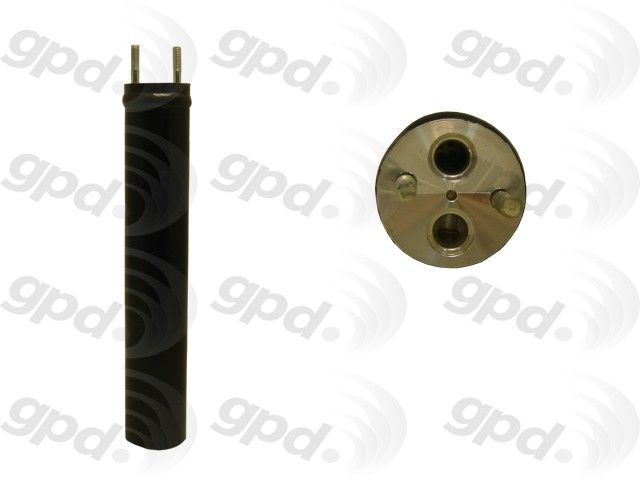
- Global Parts (GPD): This is another economy-focused brand. It provides a functional replacement at a low cost, suitable for older vehicles or tight budgets.
Pro Tip: Always Buy New
Never install a used or remanufactured receiver drier. The part is designed for a single use once the system is sealed. A used part will be completely saturated with moisture and will not protect your A/C system.
Known Issues, Recalls, and Service Bulletins
Searches of the National Highway Traffic Safety Administration (NHTSA) database show no specific recalls or technical service bulletins (TSBs) for the A/C receiver drier on the 2003-2012 Mitsubishi Outlander.
However, there is a related recall to be aware of: NHTSA Recall No. 15V233 was issued for the A/C blower motor on some 2009-2011 Outlander models. A failing blower motor can prevent air from blowing out the vents, which might be mistaken for a cooling problem. This is a separate part from the receiver drier.
| Part / Service | Estimated Cost |
|---|---|
| New Aftermarket Receiver Drier | $10.97 - $43.68 |
| New OEM Receiver Drier | $80 - $150+ |
| Shop Labor (including system evacuation & recharge) | $150 - $300 |
| Total Professional Replacement | $160 - $345+ |
Note: Costs are estimates and can vary by location and vehicle generation (2007-2012 models require a more expensive condenser/drier assembly).
Frequently Asked Questions
Can I replace the A/C receiver drier myself?
This is not recommended for most DIY mechanics. Replacing any A/C component requires specialized equipment to safely recover the old refrigerant and then to pull a vacuum and recharge the system with the correct amount of new refrigerant and oil. Failure to do this properly will result in poor performance and potential damage. The mechanical part of swapping the drier is straightforward, but handling the refrigerant must be done by a certified professional.
🎬 Watch: How to recharge the A/C on a first-gen Outlander.Why do I have to replace the drier when I replace my compressor?
When a compressor fails, it often sends tiny metal particles throughout the A/C system. The receiver drier traps some of this debris. If you don't replace the drier, this debris can be sent right back into your new compressor, causing it to fail immediately. Furthermore, opening the system exposes the drier's desiccant to air, ruining its ability to absorb moisture.
What's the difference between a receiver/drier and an accumulator?
They do similar jobs but are used in different types of A/C systems. Your Outlander uses an expansion valve system, which requires a receiver/drier located on the high-pressure side of the system, between the condenser and expansion valve. Accumulators are used in orifice tube systems and are located on the low-pressure side.
My A/C is blowing warm. Is it the receiver drier?
It's unlikely to be the primary cause. The most common reasons for an A/C system to blow warm are a low refrigerant level (indicating a leak) or a failed compressor or clutch. A clogged receiver drier is a possible but less common cause. A professional diagnosis is recommended before buying parts.
🎬 See this helpful guide on how to troubleshoot your A/C.Helpful Videos
Technical Specifications
Varies by generation. 2003-2006 models use a standalone canister-style drier. 2007-2012 models use a drier integrated into the A/C condenser assembly.
We Have This Part in Stock

The information in this article is provided for general reference and educational purposes only. Vehicle specifications, procedures, and part compatibility can vary by production date, trim level, and region. Always consult your vehicle's factory service manual and verify part numbers before purchasing or performing repairs. Safety-critical components such as airbags, seat belts, and braking systems should be installed by a qualified professional.
- Mitsubishi Outlander:
- 🎬 Helpful Videos
- 🛍️ Shop This Part
- Is Your Outlander's A/C Not as Cold as It Used to Be?
- First vs. Second Generation Outlander: A Critical Difference
- Symptoms of a Saturated or Failing Receiver Drier
- Mandatory Replacement Item
- Choosing the Right Aftermarket Receiver Drier
- Premium Aftermarket (OEM Quality)
- Standard Aftermarket (Economy)
- Pro Tip: Always Buy New
- Known Issues, Recalls, and Service Bulletins
- Frequently Asked Questions
- 🎟️ Get 5% Off