

A Toyota Camry Owner's Guide to Fuel Injectors (2003-2012)
If your Camry is running rough, misfiring, or losing gas mileage, a bad fuel injector could be the problem.
- Engine misfires, rough idle, and a drop in gas mileage are the most common symptoms of a bad fuel injector.
- For a reliable repair, it's highly recommended to replace all injectors as a set, not just the one that failed.
- Always use the new O-rings and seals that come with your new injectors to prevent dangerous fuel leaks.
- The job is much easier on 4-cylinder models; V6 models require removing the intake manifold to access the rear injectors.
Is Your Camry's Engine Acting Up?

A failing fuel injector is a common issue on aging vehicles, including the 2003-2012 Toyota Camry. Over time, injectors can get clogged with fuel deposits or simply wear out from firing millions of times. This can lead to either too much or too little fuel entering the engine, disrupting the balance and causing noticeable problems. Symptoms can range from a minor annoyance to issues that make the car difficult to drive.
Diagnosing the Problem: Symptoms and Codes

Before replacing parts, it's important to confirm a fuel injector is the culprit. Look for a combination of symptoms. The most definitive sign is often a Check Engine Light. An OBD-II scanner can read the code to point you in the right direction. Codes like P0301, P0302, etc., indicate a misfire in a specific cylinder (e.g., P0301 is cylinder 1). While a bad spark plug or ignition coil can also cause these codes, swapping the injector from the misfiring cylinder to another cylinder can help confirm the diagnosis. If the misfire code follows the injector to the new cylinder, you've found your problem. 🎬 Watch: How to test and diagnose a failed fuel injector Other codes related to injector issues include P0201-P0208 for injector circuit faults and P0171 for a lean condition (too much air, not enough fuel).
Choosing Your Aftermarket Replacement: Good, Better, Best

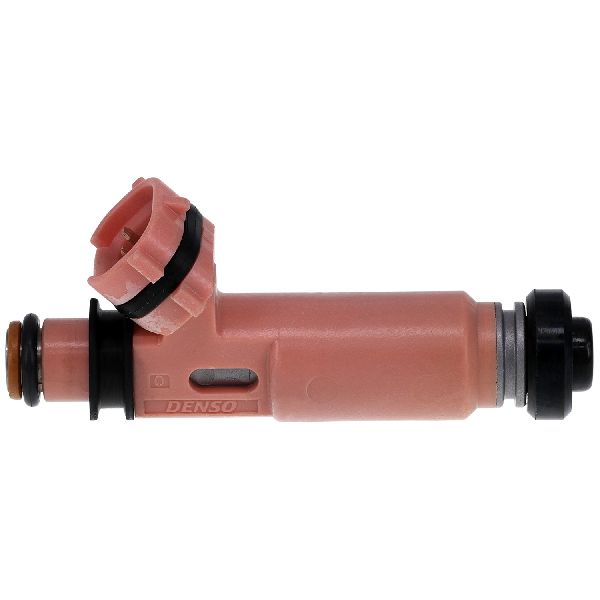
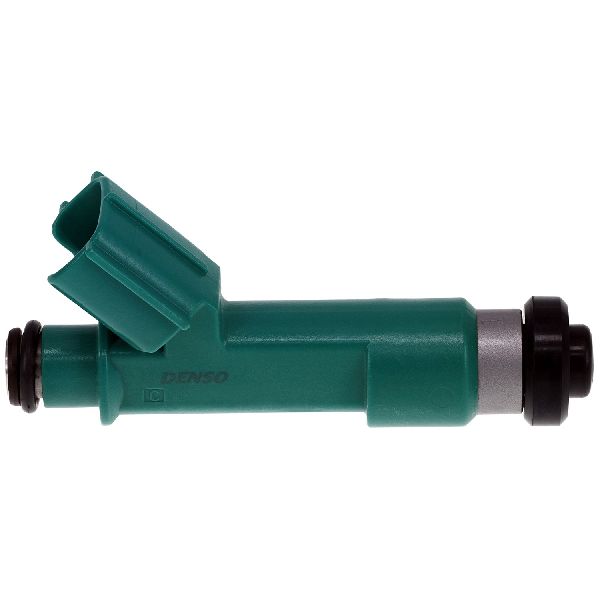
When replacing a fuel injector on your Camry, you have several options outside of the expensive dealership part. While original Toyota (OEM) injectors, often made by Denso, are built to the highest quality standards, a good aftermarket part can offer significant savings.
| Brand Tier | Our Brands | Honest Assessment |
|---|---|---|
| Entry-Level / Value | GBR Fuel Injection | These are the most budget-friendly options. They are a viable choice if cost is the primary concern. However, as with many value-focused parts, their long-term durability and performance consistency may not match higher-priced brands. Quality control can be a variable. |
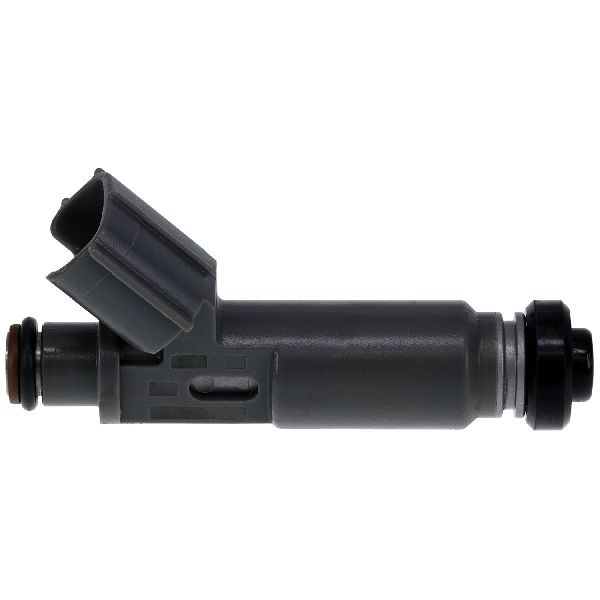
| Mid-Grade / OE-Style | Standard Ignition (SMP) | Standard is a well-known aftermarket manufacturer that produces a massive range of parts. Their injectors are generally considered a reliable alternative to OEM, often meeting original specifications. While most reviews are positive, occasional reports of parts failing early or being defective out of the box exist. |
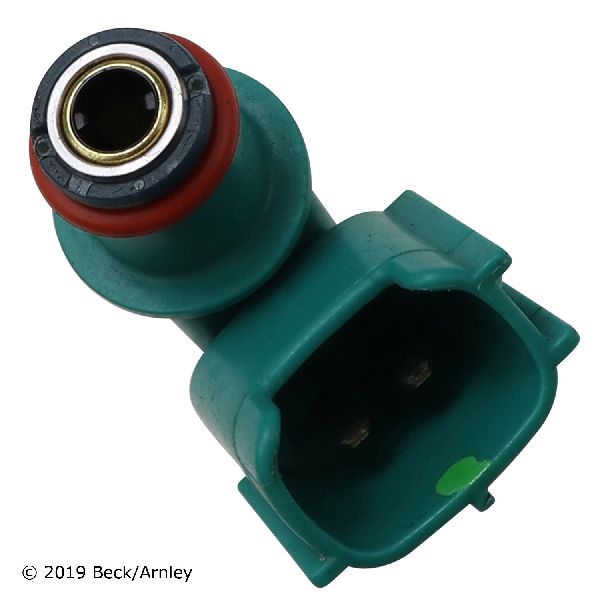
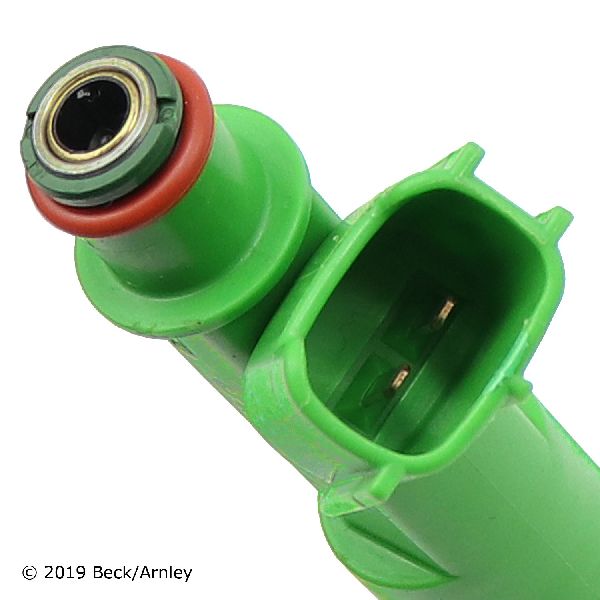
| Premium Aftermarket / OE-Matching | Beck Arnley | Beck Arnley specializes in parts for foreign nameplates and focuses on matching OE form, fit, and function. It's not uncommon for a Beck Arnley box to contain the original part from the OEM manufacturer. For a Toyota Camry, this is often your best bet for getting OE quality without the OE price tag, though they are typically the most expensive of the aftermarket options. |
Pro Tip: It is highly recommended to replace all fuel injectors at the same time, especially on a higher-mileage vehicle. They have all been subjected to the same amount of wear. Replacing just one can lead to an imbalanced fuel delivery, and another old injector will likely fail soon after.
DIY Replacement: What to Expect

Replacing the fuel injectors on a 2003-2012 Toyota Camry is a manageable job for a confident DIYer, especially on the 4-cylinder engine. 🎬 See this step-by-step 2.4L 4-cylinder injector replacement walkthrough The V6 engine is more difficult because you must remove the upper intake manifold to access the rear fuel rail.
The basic steps include:
- Safety First: Let the engine cool completely, disconnect the negative battery terminal, and relieve the fuel system pressure. Work in a well-ventilated area and have a fire extinguisher ready.
- Access the Fuel Rail: You may need to remove an engine cover or air filter housing.
- Disconnect: Unplug the electrical connectors from each injector. Unbolt the fuel rail from the engine.
- Remove Injectors: Gently wiggle and pull the fuel rail away. The injectors may come out with the rail or stay in the engine. You can then pull them out individually.
- Install New Injectors: Always use new O-rings and seals, and apply a small amount of engine oil to them to prevent tearing during installation. Snap the new injectors into the fuel rail before reinstalling it on the engine.
Common Mistake: Re-using old O-rings and seals is a major cause of fuel leaks after the job is done. Your new aftermarket injectors should come with new seals. Always use them.
Frequently Asked Questions
Do I need to replace all my fuel injectors at once?
It is best practice. All your injectors have the same mileage and wear. If one has failed due to clogging or age, the others are likely not far behind. Replacing them as a set ensures balanced engine performance and prevents you from having to do the same job again in a few months.
What's the difference between a 4-cylinder and V6 injector replacement?
On the 4-cylinder engines (like the 2.4L 2AZ-FE), the fuel rail and all four injectors are easily accessible at the front of the engine. On V6 engines (like the 3.5L 2GR-FE), three injectors are accessible, but the rear three are located underneath the upper intake manifold, which must be removed. 🎬 Watch: How to replace V6 injectors and remove the manifold This makes the job significantly longer and more complex.
Can I just clean my old injectors?
While fuel injector cleaning additives can help with minor deposit buildup, they usually can't fix a truly clogged or failed injector. Professional off-car ultrasonic cleaning is an option, but for the cost and labor involved in removing the injectors, installing new aftermarket units is often a more reliable and time-effective solution.
Is an aftermarket injector as good as an OEM Toyota one?
It depends on the brand. Premium aftermarket brands like Beck Arnley often source their parts from the same factories as Toyota, providing identical quality. Mid-grade brands like Standard Ignition offer a good balance of quality and price. While OEM guarantees a perfect match, a high-quality aftermarket part is a perfectly acceptable and cost-effective choice for most owners.
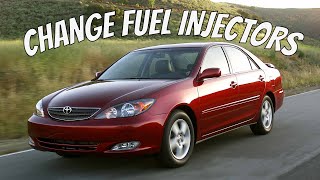
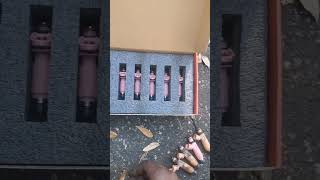
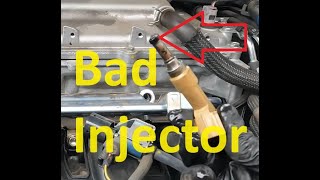
Helpful Videos
Technical Specifications
OEM Part Numbers: 23209-28060 23209-0H050 23209-28080 23209-31050 23209-0P040 23209-39175 23209-09175
This generation of Camry uses top-feed, high-impedance port fuel injectors. The 4-cylinder (2.4L 2AZ-FE) and V6 (3.0L 1MZ-FE, 3.3L 3MZ-FE, 3.5L 2GR-FE) engines use different injectors that are not interchangeable. Always verify fitment for your specific engine.
We Have This Part in Stock


The information in this article is provided for general reference and educational purposes only. Vehicle specifications, procedures, and part compatibility can vary by production date, trim level, and region. Always consult your vehicle's factory service manual and verify part numbers before purchasing or performing repairs. Safety-critical components such as airbags, seat belts, and braking systems should be installed by a qualified professional.
- Toyota Camry: