

Choosing Aftermarket Brake Pads for the 2003-2013 Bentley Continental
Stop brake squeal and excessive dust by selecting the right aftermarket pads for your GT, GTC, or Flying Spur.
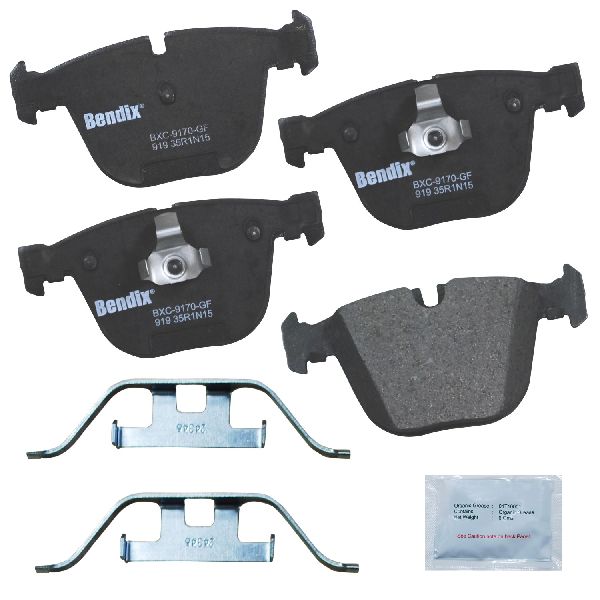
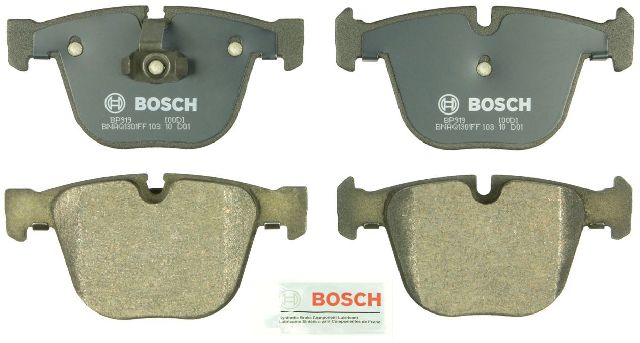
- Aftermarket ceramic pads from brands like Bosch, Centric, or EBC are a popular upgrade to reduce the heavy brake dust common with OEM pads.
- Always replace the single-use electronic brake wear sensors when you replace your brake pads to ensure the warning system functions correctly.
- Properly bedding-in new pads by following the manufacturer's procedure is critical for quiet, powerful, and long-lasting brake performance.
- High-quality OEM-supplier brands like Pagid and Textar are available on the aftermarket and offer a direct factory-equivalent performance.
Symptoms of Worn Brake Pads
Your Bentley will tell you when its brake pads are nearing the end of their life. The most obvious sign is the brake wear warning light on your dashboard. You might also hear a high-pitched squealing sound when you apply the brakes, which can happen when the pads are low. In more serious cases, you could hear a grinding noise, which means the pads are completely worn away and metal is grinding against metal. This is a critical situation that requires immediate attention. Other signs include the car pulling to one side when braking or vibrations in the brake pedal.
Choosing the Right Aftermarket Pads: OEM vs. Aftermarket
Bentley's Original Equipment Manufacturer (OEM) brake pads are excellent but are known for producing a lot of dark dust that can make your wheels look dirty. Many owners look to the aftermarket for solutions that offer less dust, different performance characteristics, or a better price. It's important to know that high-quality brands like Pagid and Textar are often the original suppliers to Bentley, so choosing their aftermarket products can give you OEM-level performance.
What are Brake Pad Compounds?
Brake pads come in different materials, or compounds, that affect how they perform.
- Organic (NAO): These are quiet and easy on rotors but can wear faster and create dust. Many factory pads are a type of organic compound.
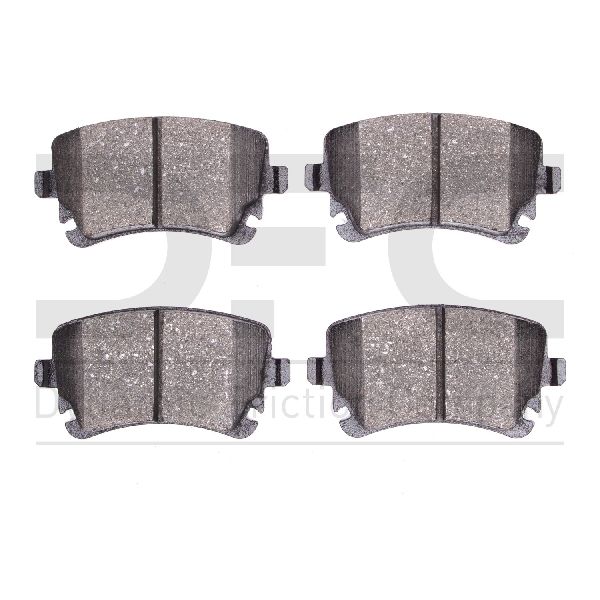
- Ceramic: A great upgrade for many Bentley owners. Ceramic pads are known for being very quiet, producing very little, light-colored dust, and having a long life. They provide smooth, consistent stopping power perfect for luxury cruising.
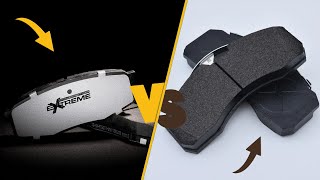
- Semi-Metallic: These pads contain metal fibers, offering excellent stopping power and heat resistance. They are great for performance driving but can be noisier, dustier, and wear rotors faster than ceramic pads. 🎬 See a comparison of ceramic versus metallic brake pad performance.
Aftermarket Brand Tiers for Your Bentley
When shopping for aftermarket brake pads, you'll find a wide range of options. Here’s how they generally stack up for your Continental:
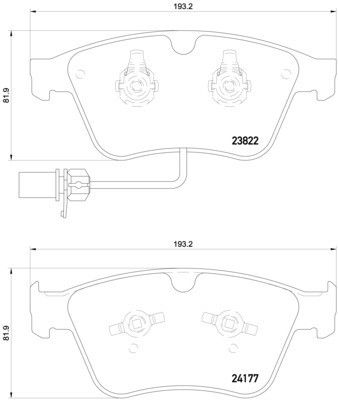
- OEM-Equivalent Brands: Brands like Pagid, Textar, and Brembo are often the original equipment suppliers. Choosing these brands is a safe bet for getting the performance and feel your car was designed to have, though they may still produce significant dust like the original pads.
- Low-Dust/Touring Brands: For owners who prioritize clean wheels and quiet operation, ceramic pads are the best choice. Brands like Bosch, Centric (with their Posi-Quiet line), and Wagner Brakes specialize in ceramic compounds that dramatically reduce dust and noise without sacrificing the smooth stopping power needed for a luxury car.
- Performance Brands: If you enjoy more spirited driving, brands like EBC Brakes offer different compounds to suit your needs. Their 'Redstuff' pads are a popular ceramic performance option that offers a good balance of stopping power and low dust, while their 'Yellowstuff' pads provide even more bite for aggressive driving, though potentially with more dust and noise.
A Note on Carbon Ceramic Brakes
A small number of 2007-2011 Continentals were equipped with optional Carbon Ceramic Matrix (CCM) brakes. These are a very high-performance system with different parts. The pads and information in this guide are for the standard iron brake systems found on the vast majority of cars. A recall was issued for CCM-equipped cars for screws that could fail in salty conditions.
Cost to Replace Bentley Continental Brake Pads
Brake pad replacement costs can vary significantly based on the parts you choose and who does the labor. A full brake job including rotors at a dealership can be very expensive, but using quality aftermarket pads and an independent specialist can save a lot of money.
🎬 Watch this step-by-step guide on changing Bentley calipers and pads.| Part/Service | Estimated Cost |
|---|---|
| Aftermarket Disc Brake Pad Set (Front or Rear) | $28 - $184 |
| OEM Disc Brake Pad Set (Front or Rear) | $250 - $500+ |
| Independent Shop Labor (Pads Only) | $250 - $500 |
| Dealership Labor (Pads Only) | $500 - $800+ |
Note: Costs are estimates and can vary by location and vehicle specifics. Always replace wear sensors with pads. Most shops recommend replacing or resurfacing rotors at the same time.
Frequently Asked Questions
Do I have to replace my brake rotors with the pads?
It is highly recommended. Installing new pads on old, worn rotors can cause noise, vibration, and reduced performance. For a vehicle of this weight and power, matching fresh pads with new or freshly resurfaced rotors is critical for safety and performance.
Why are my Bentley brakes so squeaky?
Brake squeal is a common complaint. It can be caused by worn pads, accumulated brake dust, moisture, or vibrations between the pad and caliper. Using high-quality pads with shims, applying anti-squeal lubricant to the back of the pads during installation, and ensuring rotors are in good condition can prevent most noises. A Technical Service Bulletin (TSB) was also issued by Bentley to help technicians identify sources of brake noise.
What are brake wear sensors and do I need to replace them?
Yes. Your Bentley uses electronic wear sensors, which are small wire loops in a plastic housing that get inserted into the brake pad. When the pad wears down, the sensor makes contact with the rotor, breaks the wire loop, and triggers the warning light on your dash. They are a one-time-use part and a new sensor must be installed with every new set of brake pads.
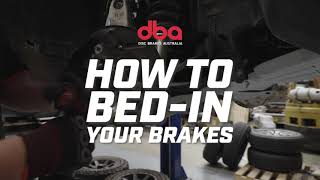
What is "bedding-in" new brakes?
Bedding-in is the process of transferring a thin, even layer of friction material from the new pads onto the rotors. This is crucial for optimal performance, preventing noise, and ensuring a long life for your new brakes. The process typically involves a series of controlled, hard stops from moderate speed to heat up the brakes, followed by a cool-down period. Your pad manufacturer will provide specific instructions.
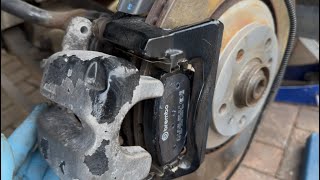
🎬 Learn how to bed in your new brakes properly.Helpful Videos


Technical Specifications
OEM Part Numbers: 3W0698151AA 3W0698151P 3W0698451J 3W5698451B
Vehicle is equipped with four electronic brake pad wear sensors (one per wheel) that must be replaced with the pads. The rear brakes on some models feature an electronic parking brake that requires a diagnostic tool (like VCDS) to retract the caliper piston for service.
We Have This Part in Stock


The information in this article is provided for general reference and educational purposes only. Vehicle specifications, procedures, and part compatibility can vary by production date, trim level, and region. Always consult your vehicle's factory service manual and verify part numbers before purchasing or performing repairs. Safety-critical components such as airbags, seat belts, and braking systems should be installed by a qualified professional.
- Bentley Continental:
- 🎬 Helpful Videos
- 🛍️ Shop This Part
- Symptoms of Worn Brake Pads
- Choosing the Right Aftermarket Pads: OEM vs. Aftermarket
- What are Brake Pad Compounds?
- Aftermarket Brand Tiers for Your Bentley
- A Note on Carbon Ceramic Brakes
- Cost to Replace Bentley Continental Brake Pads
- Frequently Asked Questions
- 🎟️ Get 5% Off