

Choosing the Right Disc Brake Pads for Your 2003-2013 Jeep Wrangler (TJ & JK)
Stopping power is critical, especially on a modified Wrangler; here’s how to choose the right brake pads.
- You must identify if you have a 2003-2006 TJ or a 2007-2013 JK, as they use different brake pads.
- For modified Wranglers with larger tires, upgrading to a performance pad (EBC, Hawk, PowerStop Z36) is a critical safety improvement.
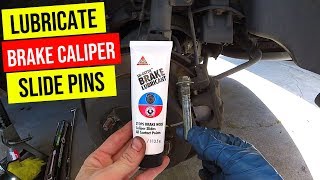
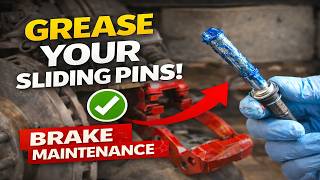
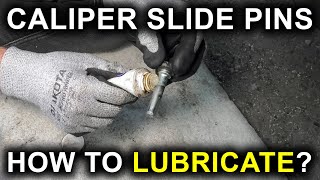
- Always clean and lubricate caliper slide pins during replacement to prevent common dragging and overheating issues.
- A grinding noise when braking is a critical safety failure; stop driving the vehicle immediately.
Understanding Your Wrangler: TJ vs. JK (2003-2013)
Before buying brake pads, you must know which Wrangler you own. This period covers two different generations that use different parts.
- 2003-2006 Jeep Wrangler (TJ): The end of a legendary generation. These models have specific brake fitments.
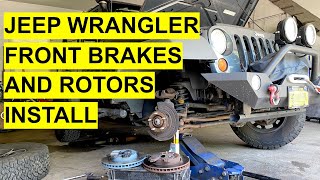
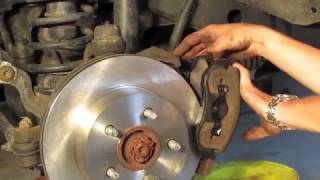
- 2007-2013 Jeep Wrangler (JK): A completely new design. These Jeeps are larger and heavier, requiring different brake components. 🎬 Watch: Step-by-step front brake pad and rotor replacement for JK models.
Ordering Mistake: The single most common mistake is ordering pads for a TJ when you own a JK, or vice-versa. Always confirm your vehicle's year before purchasing.
Symptoms of Worn Brake Pads on a Jeep Wrangler
Wrangler owners should watch for these signs of brake pad wear:
- Squealing or Screeching: A high-pitched noise when you apply the brakes, caused by a built-in metal wear indicator.
- Grinding Noise: A loud, harsh grinding sound means the pads are completely worn away. This is a serious safety issue. Stop driving immediately.
- Vibration or Pulsing: A pulsing feeling in the brake pedal often points to warped rotors, but can be related to uneven pad deposits.
- Longer Stopping Distances: If your Jeep takes longer to stop than it used to, your pads are likely worn out.
- Hot Smell Near Wheels: A burning smell after braking can indicate a dragging caliper or stuck slide pins, which causes pads to overheat.
Known Issues, Recalls, and TSBs
While there are no recalls specifically for brake pads, there are related issues for this year range:
- NHTSA Recall on 2006-2010 Wranglers: A recall (10V-236) was issued because the front inner fender liner could rub against brake lines, causing a fluid leak and potential loss of braking. Owners of these model years should inspect this area.
- NHTSA Recall on 2003-2005 Wranglers: Some TJ models were recalled for a potential defect in the brake hydraulic master cylinder that could cause fluid loss.
- Sticking Caliper Pins: A common issue on Wranglers is for caliper slide pins to seize due to rust and debris. This causes the pads to drag on the rotor, leading to rapid wear, overheating, and poor performance. Pro Tip: Always clean and lubricate caliper slide pins during a brake job. 🎬 See how to clean and lubricate sticking caliper slide pins.
Choosing the Right Aftermarket Brake Pads
OEM Mopar pads provide a good baseline, but for a vehicle as frequently modified as a Wrangler, aftermarket pads offer significant advantages. Choose based on your driving style and budget.
Brand & Material Tiers
Economy & Daily Driver Pads:
These are for stock Wranglers used primarily for commuting. They offer OEM-like performance with a focus on low noise and dust. Ceramic pads are common here.
- Brands: ACDelco, Centric, Dynamic Friction, Raybestos, Wagner (OEX series is noted for low dust).
- Best For: Stock Jeeps, daily commuting, budget-conscious repairs.
Heavy-Duty & Off-Road Pads:
If you have larger tires, a lift kit, or use your Jeep for towing or serious off-roading, you need more stopping power. These pads use aggressive compounds to handle more heat and provide a stronger bite.
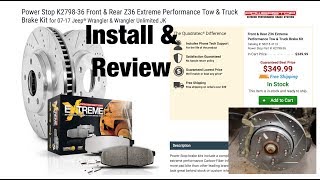
- Brands: PowerStop (the Z36 Truck & Tow kit is popular), Hawk Performance (LTS pads are effective but known for dust), EBC Brakes (Yellowstuff pads are highly recommended by enthusiasts for excellent stopping power).
- Best For: Modified Jeeps, towing, off-roading, and drivers who want a significant improvement in braking performance.
| Item | Estimated Cost |
|---|---|
| New Aftermarket Pads (DIY) | $28 - $250 |
| New OEM Mopar Pads (DIY) | $115 - $140 |
| Shop Labor | $85 - $125 |
| Total Professional Replacement | $315 - $375+ |
Frequently Asked Questions (FAQ)
Frequently Asked Questions (FAQ)
What's the difference between ceramic and semi-metallic pads?
Ceramic pads are quiet, produce less dust, and are great for daily driving. Semi-metallic pads offer better performance under high heat and heavy use but can be noisier and create more dust. For a modified Wrangler, a high-performance semi-metallic or carbon-fiber ceramic pad is often the best choice.
Do I need to replace my rotors at the same time?
It's highly recommended. If your old pads were grinding or you feel a pulsation in the pedal, you must replace the rotors. Installing new pads on old, worn rotors will lead to poor performance and reduce the life of the new pads. Many brands like PowerStop and EBC offer pad and rotor kits.
Why are my new brakes squeaking?
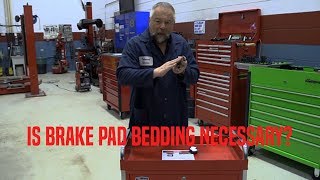
New brakes can squeak if they aren't "bedded-in" properly. This process involves a series of controlled stops to mate the new pads to the rotors. Always follow the manufacturer's bedding procedure. 🎬 Watch this guide to learn how to bed brakes properly. Squeaking can also be caused by not using brake grease on contact points or skipping new hardware clips.
Are expensive performance pads worth it for a Jeep?
Yes, especially if you have added weight from larger tires, steel bumpers, or armor. Stock brakes are designed for a stock vehicle. Upgraded pads from brands like EBC or Hawk provide a critical safety margin by improving stopping power and resisting brake fade on long downhill grades.
Helpful Videos

Technical Specifications
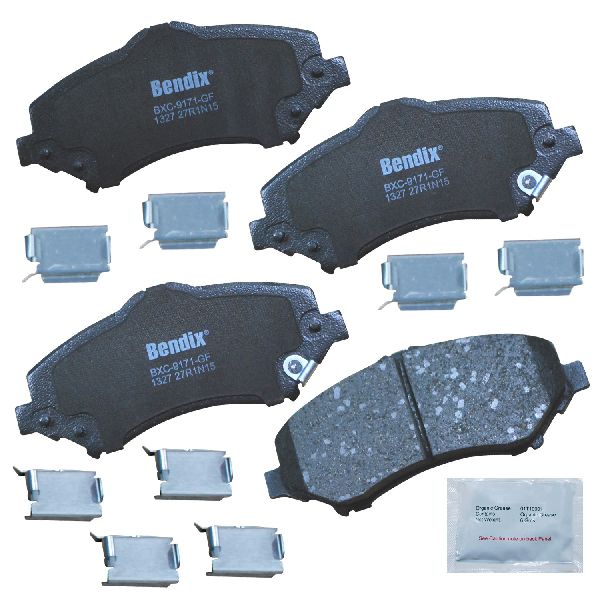
OEM Part Numbers: V1013701AA (Front, 2007-2018 JK) 2AMV3701AB (Front, 2007-2011 JK)
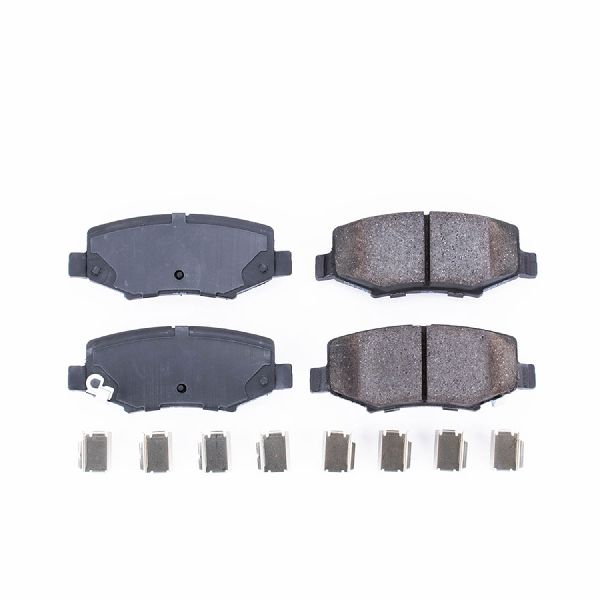
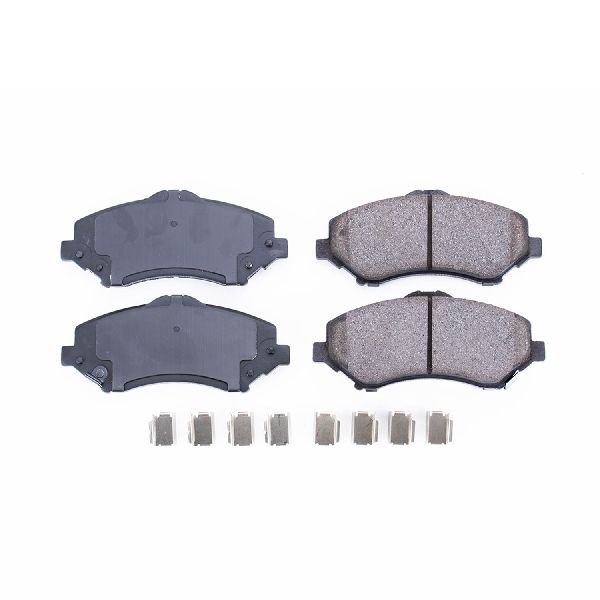
Fitment is specific to generation. 2003-2006 models are the TJ generation. 2007-2013 models are the JK generation. Brake pads are not interchangeable between them.
We Have This Part in Stock
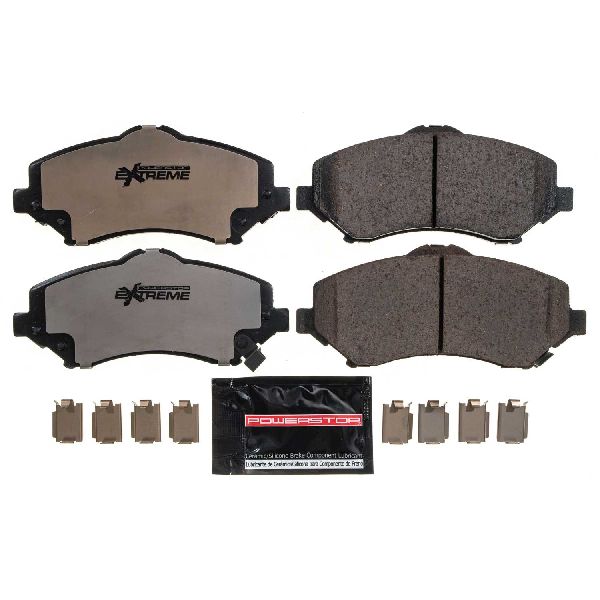
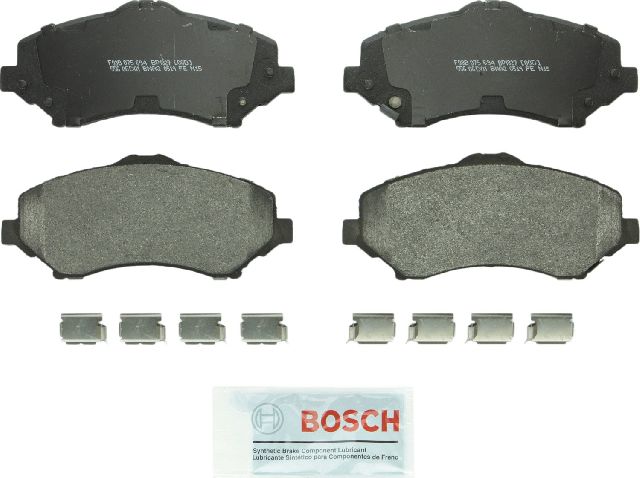
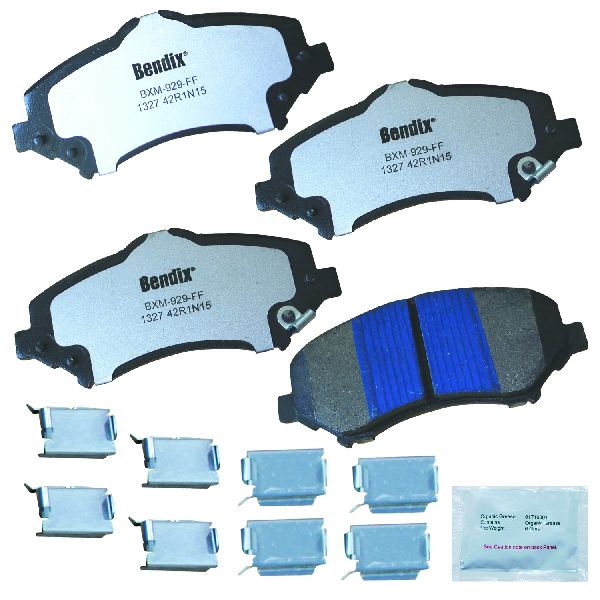

The information in this article is provided for general reference and educational purposes only. Vehicle specifications, procedures, and part compatibility can vary by production date, trim level, and region. Always consult your vehicle's factory service manual and verify part numbers before purchasing or performing repairs. Safety-critical components such as airbags, seat belts, and braking systems should be installed by a qualified professional.
- Jeep Wrangler: