

A Guide to Replacing Disc Brake Pads on the 2003-2013 Land Rover Range Rover
Tired of constant brake dust and noise? Find the right aftermarket brake pads for your L322 Range Rover.
- OEM pads provide good stopping power but create heavy brake dust; aftermarket ceramic pads are a popular upgrade to reduce dust.
- Your Range Rover has two brake wear sensors (front-left and rear-right) that must be replaced if the dashboard warning light is on.
- Check if your vehicle is affected by safety recalls for the front brake hoses (2006-2012) or brake vacuum hose (2013).
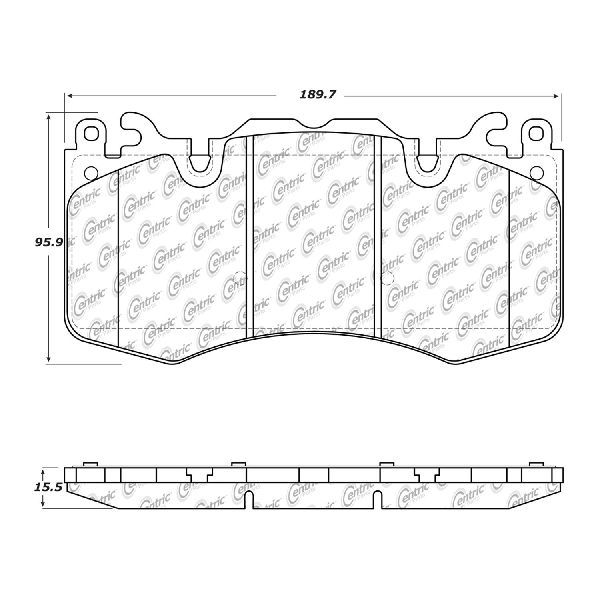
- Supercharged models often use different, larger Brembo brakes and require specific pads.
Signs of Worn Brake Pads
Your Range Rover will give you clear signals when the brake pads are nearing the end of their life. Ignoring these can lead to more expensive repairs and unsafe driving conditions.
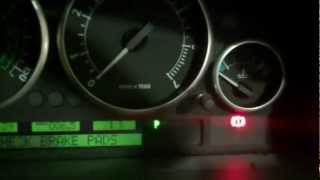
- Brake Warning Light: Your vehicle is equipped with electronic brake pad wear sensors. When the pads wear down to a certain limit, a sensor makes contact with the rotor, triggering a "Check Brake Pads" message on your dashboard. This is the most direct indicator that a replacement is needed. 🎬 Watch: How to troubleshoot the 'Check Brake Pads' dashboard error.
- Squealing or Screeching Noises: A high-pitched squeal when you apply the brakes often points to worn pads. This sound is typically caused by a built-in wear indicator. On Supercharged models, a specific type of squeal during low-speed, light braking is a known issue addressed by a Technical Service Bulletin (TSB).
- Grinding Sounds: If you hear a harsh, metallic grinding noise, it means the brake pads have worn down completely. This is metal-on-metal contact between the pad's backing plate and the brake rotor, which can quickly damage the rotor and severely reduce stopping power.
- Vibrations or Pulsing: A vibrating or pulsing feeling in the brake pedal or steering wheel when braking can indicate warped rotors, which can be caused by worn-out pads creating excessive heat.
Known Issues & Recalls
Safety Recall P054 (NHTSA #15V039000): Affecting 2006-2012 models, this recall addresses front brake hoses that could rupture and leak fluid, increasing stopping distance. Ensure this recall has been performed on your vehicle.
Safety Recall P052 (NHTSA #15V042000): For 2013 models, this recall concerns an incorrectly routed brake vacuum hose that could wear through, leading to a loss of brake assist and a hard pedal feel.
TSB for Brake Squeal (LTB00857NAS6): Owners of 2010-2012 Supercharged models with high-performance brakes may experience a squeal during light braking. Land Rover issued a TSB acknowledging this issue is caused by brake pad resonance and recommends a specific updated pad set for the repair.
Choosing the Right Aftermarket Brake Pads
One of the most common complaints from owners is the excessive amount of brake dust produced by the original factory pads. Aftermarket pads offer a great opportunity to solve this issue while matching or even upgrading performance.
Economy & Daily Driver Pads
These pads meet or exceed basic factory specifications and are a cost-effective choice for normal daily driving. They offer reliable stopping power but may have similar dust and noise characteristics to the original pads. Brands in this category include Pronto, Dynamic Friction, and some lines from Centric and Raybestos.
OEM-Equivalent Pads
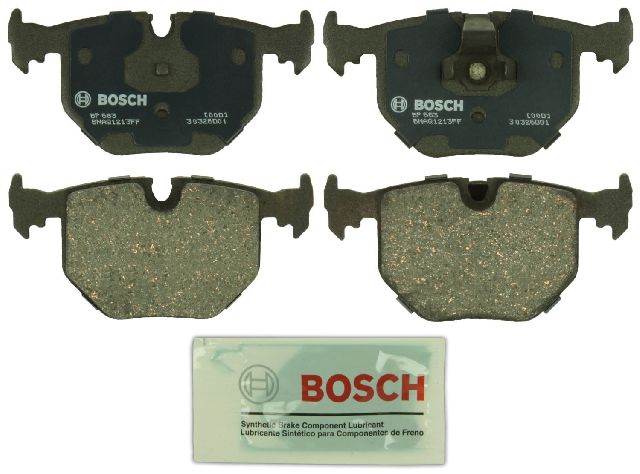
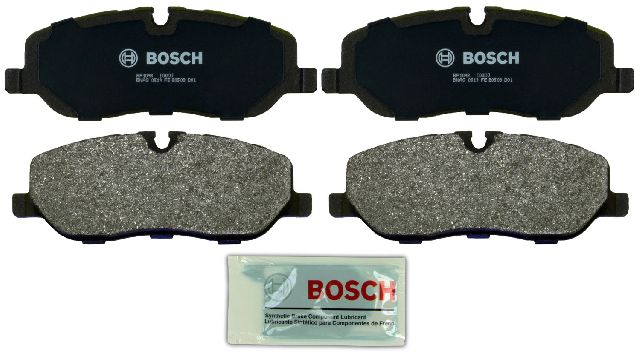
These pads are designed to restore the original braking feel and performance. Brands like Textar, TRW, and Brembo are often the original equipment manufacturers for Land Rover. Choosing one of these ensures you get the performance the vehicle was designed for, though likely with the same heavy brake dust. Bosch also offers high-quality pads that fit this category.
Premium & Low-Dust Ceramic Pads
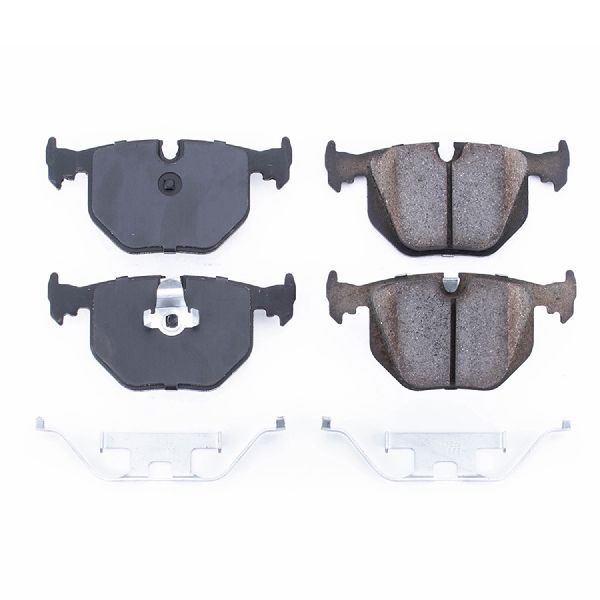
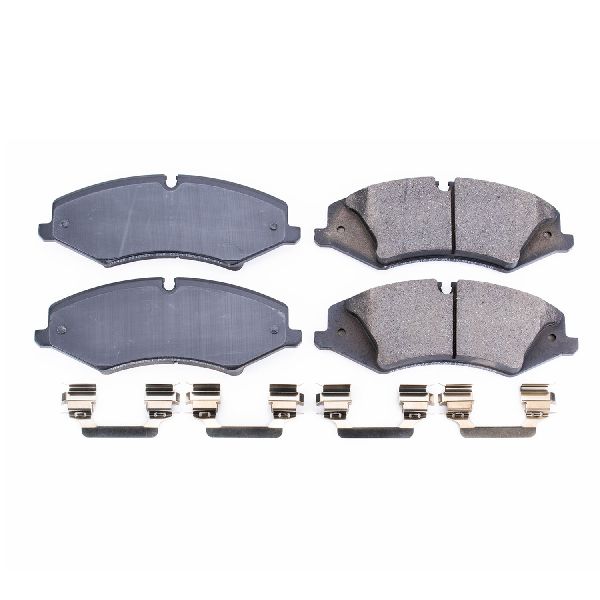
For owners who want to eliminate the brake dust problem, ceramic pads are the best solution. They are engineered for quiet operation and produce very little visible dust, keeping your wheels much cleaner. They also tend to be gentle on brake rotors. Popular and highly-rated choices among Range Rover owners include Akebono and Powerstop. Performance brands like Hawk also offer ceramic and high-performance street compounds.
| Part | Price Range (Aftermarket) | Price Range (OEM) |
|---|---|---|
| Front Disc Brake Pad Set | $23 - $250 | $120 - $350+ |
| Rear Disc Brake Pad Set | $23 - $200 | $100 - $280+ |
| Brake Wear Sensor (Each) | $10 - $40 | $30 - $75 |
Pro Tip: Supercharged Range Rovers often came with larger, high-performance Brembo brakes. These require different, and typically more expensive, brake pads than non-supercharged models. Always verify your vehicle's specific braking system before ordering parts.
Frequently Asked Questions
Why do my Range Rover's wheels get so dirty with brake dust?
The original equipment (OEM) brake pads used on many European vehicles, including the Range Rover, are a semi-metallic compound. While they provide excellent stopping power, they generate a significant amount of dark-colored dust as they wear. Switching to a quality aftermarket ceramic brake pad from a brand like Akebono or Powerstop can drastically reduce visible dust.
Do I have to replace the brake wear sensor?
If your dashboard warning light for the brakes is on, you must replace the sensor. The sensor is a one-time-use part that is destroyed when it makes contact with the rotor. If the light is not on, you may be able to carefully remove and reuse the old sensor, but it is highly recommended to replace it as they can become brittle. Your vehicle has two sensors: one on the front left wheel and one on the rear right wheel.
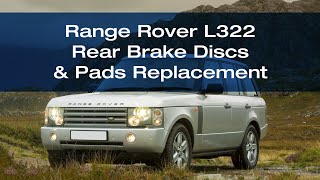
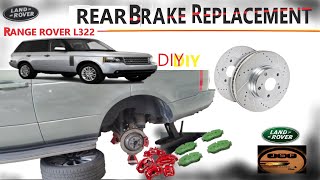
🎬 Watch: Step-by-step guide for replacing rear brake discs and pads.What's the difference between pads for Supercharged and non-Supercharged models?
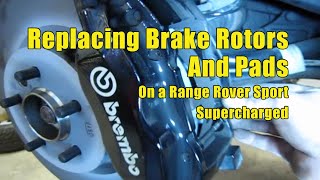
Supercharged models were often equipped with larger, multi-piston Brembo brake calipers for increased stopping power. These calipers require physically different and larger brake pads than the standard brakes on non-supercharged models. It is critical to order the correct pads for your specific vehicle trim.
🎬 See this walkthrough for replacing Supercharged Brembo front brakes.Can I install these brake pads myself?
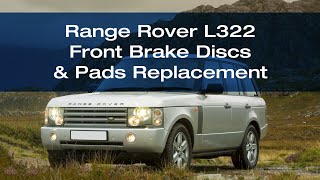
Yes, for a moderately experienced DIY mechanic, replacing the brake pads is a manageable job. It requires basic hand tools, a jack and jack stands for safety, and a caliper piston compression tool. You will need to unbolt the caliper, swap the pads and hardware, replace the wear sensor if needed, and reassemble. Always pump the brake pedal several times after the job is complete to ensure the pads are seated before driving.
Helpful Videos

Technical Specifications
OEM Part Numbers: SFC500080 SFP000120 LR134882 LR015577
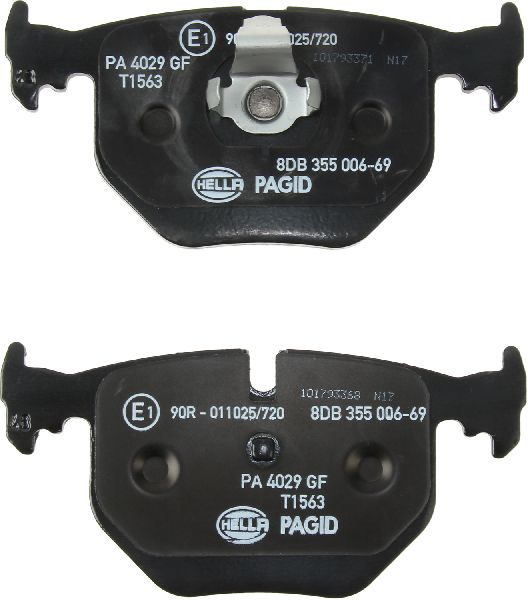
System uses two electronic wear sensors. One sensor is located on the inner front-left brake pad, and the second is on the inner rear-right brake pad. Supercharged models may be equipped with Brembo calipers requiring different pads.
We Have This Part in Stock

The information in this article is provided for general reference and educational purposes only. Vehicle specifications, procedures, and part compatibility can vary by production date, trim level, and region. Always consult your vehicle's factory service manual and verify part numbers before purchasing or performing repairs. Safety-critical components such as airbags, seat belts, and braking systems should be installed by a qualified professional.
- Land Rover Range Rover: