

A Guide to Replacing Wheel Bearings on Your 2003-2013 Mazda 6
Hearing a humming or grinding from your wheels? It might be time for a new wheel bearing.
- Identify your Mazda 6 generation first: 2003-2008 front bearings are press-in and require special tools, while 2009-2013 use easier bolt-on hubs.
- A humming or growling noise that changes when you turn is the classic sign of a bad wheel bearing.
- For longevity, choose premium aftermarket brands like SKF, Timken, NTN, or FAG, which are often OEM suppliers.
- Always replace wheel bearings in pairs on the same axle to ensure safety and prevent a repeat repair job.
Is Your Mazda 6 Making a Strange Noise?

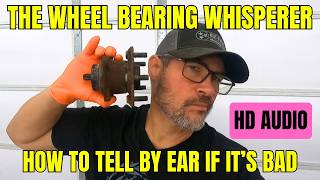
A failing wheel bearing on your 2003-2013 Mazda 6 will typically let you know something is wrong with a distinct sound. The most common symptom is a humming, growling, or roaring noise that gets louder with speed. 🎬 Watch: Hear what a failing wheel bearing sounds like. You might notice the noise changes or goes away when you turn the steering wheel. For example, if the noise gets louder when turning left, it often points to a bad bearing on the right side of the car. In more severe cases, you might feel a vibration in the steering wheel or notice a wobble from one of the wheels.
Don't Ignore a Bad Wheel Bearing
Continuing to drive on a failing wheel bearing is dangerous. If the bearing seizes or breaks apart completely, you could lose control of your vehicle or the wheel could separate from the car. It is critical to replace a noisy bearing as soon as possible.
Generation Differences: What You Need to Know

The 2003-2013 Mazda 6 covers two different generations, and the front wheel bearing replacement process is very different for each.
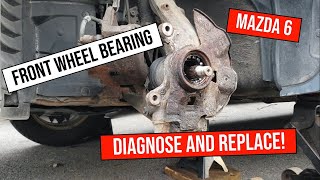
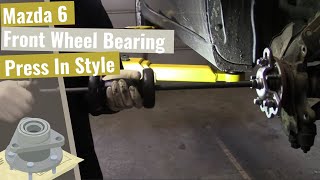
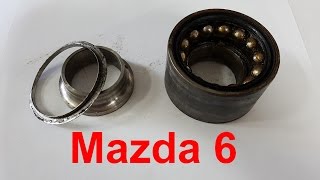
- First Generation (2003-2008): These models use a press-in front wheel bearing. This means the old bearing must be pressed out of the steering knuckle and the new one pressed in using a hydraulic press. 🎬 See how to replace a first-generation press-in bearing. This job requires special tools and is much more labor-intensive. The rear is a bolt-on hub assembly.
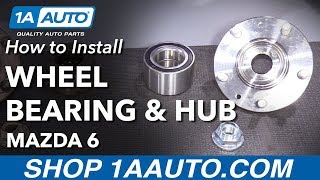
- Second Generation (2009-2013): These models use a complete bolt-on wheel hub assembly for both the front and rear. This design is much easier to replace. The entire hub, with the bearing already pressed in, is simply unbolted from the knuckle and a new one is bolted in its place. 🎬 Watch: Step-by-step bolt-on hub replacement for 2009-2013 models.
Choosing the Right Aftermarket Wheel Bearing

When shopping for a new aftermarket wheel bearing, you'll find a wide range of brands and prices. Quality can vary, so it's helpful to understand the different tiers available.
Premium Brands (OEM Quality or Better)
These brands are often the original equipment (OE) manufacturers for Mazda and other carmakers. They offer the best quality, durability, and fit. Many owners and mechanics recommend sticking with these brands to avoid having to do the job again prematurely.
- SKF: A highly respected Swedish brand known for premium quality and long life.
- Timken: A top-tier American brand with a strong reputation for durability, though some production has moved overseas.
- NTN / NSK: Japanese brands that are often the original equipment supplier for Mazda and Toyota. The original Mazda bearing is often made by Koyo.
- FAG: A German brand, part of the Schaeffler group, known for high-quality engineering.
Quality Mid-Range Brands
These brands offer a good balance of quality and value. They are a solid choice for most owners.
- Moog: Known for problem-solving designs and generally considered a reliable option.
- National: A well-regarded brand offering good quality bearings.
- Beck Arnley: Often re-packages OEM parts, so you may get a high-quality bearing in their box.
Budget-Friendly Brands
While the price is attractive, the quality and longevity of budget brands can be inconsistent. They may be a suitable option for a car you don't plan to keep long-term, but for a daily driver, investing in a better brand is often recommended.
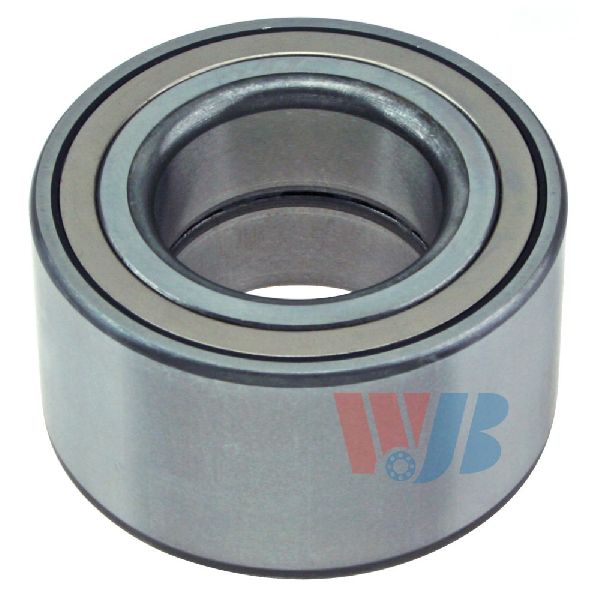
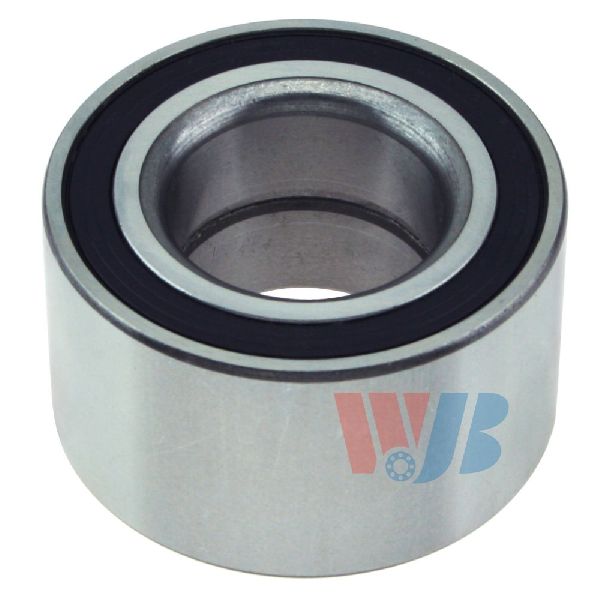
- TrueDrive, WJB, GMB, IAP, Mevotech: These brands fall into the economy category. While many have no issues, the risk of premature failure is higher compared to premium brands.
Pro Tip: Check for ABS
Your Mazda 6 is equipped with an Anti-lock Braking System (ABS). The wheel bearing hub has a magnetic sensor ring that the ABS sensor reads. Ensure the replacement part you buy is compatible with your vehicle's ABS system. An incorrect part will cause the ABS warning light to come on.
Known Issues, Recalls, and Service Bulletins

My search for official recalls on the NHTSA database did not find any specific recalls for wheel bearings on the 2003-2013 Mazda 6. However, there is a Mazda Technical Service Bulletin (TSB) that advises technicians to be careful not to misdiagnose tire noise as a bad wheel bearing, which suggests that telling the two apart can be tricky. There was also a recall for front crossmember corrosion on 2011-2013 models in salt-belt states, which affects the lower control arm mounting but not the bearing directly.
Cost of Replacing a Mazda 6 Wheel Bearing
The cost can vary significantly based on your vehicle's generation and whether you do the work yourself.
| Item | Estimated Cost |
|---|---|
| Aftermarket Wheel Bearing/Hub Assembly | $23 - $116 |
| OEM Wheel Bearing/Hub Assembly | $95 - $235 |
| Shop Labor (Hub Assembly Replacement) | $150 - $250 |
| Shop Labor (Press-in Bearing Replacement) | $250 - $450+ |
Frequently Asked Questions
Should I replace wheel bearings in pairs?
It is highly recommended. If one bearing has failed due to age and mileage, the other one on the same axle is likely not far behind. Replacing them in pairs ensures balanced performance and saves you from having to do the same job again soon.
Is this a DIY job?
For 2009-2013 models with bolt-on hubs, it is a feasible DIY project for someone with moderate mechanical skill and the right tools, including a torque wrench and a large socket for the axle nut. For 2003-2008 front bearings, the press-in design makes it very difficult without a shop press, and it is generally not recommended for DIYers.
What are the torque specs for the axle nut?
Proper axle nut torque is critical. It preloads the bearing. If it's too loose or too tight, it can destroy the new bearing quickly. The torque spec for the second-generation (2009-2013) Mazda 6 axle nut is approximately 175-202 ft-lbs. Always verify the correct specification for your exact year and model.
Could my noise be something other than a wheel bearing?
Yes. A humming or roaring noise can also be caused by worn or unevenly feathered tires. A mechanic can help diagnose the sound by listening to the bearings with a stethoscope or by swapping tires to see if the noise changes.
Helpful Videos

Technical Specifications
OEM Part Numbers: GS3L-33-047A
Design varies by generation. First generation (2003-2008) uses a press-in bearing for the front axle and a bolt-on hub for the rear. Second generation (2009-2013) uses a bolt-on hub assembly for both front and rear. All replacements must be compatible with the vehicle's ABS system.
We Have This Part in Stock


The information in this article is provided for general reference and educational purposes only. Vehicle specifications, procedures, and part compatibility can vary by production date, trim level, and region. Always consult your vehicle's factory service manual and verify part numbers before purchasing or performing repairs. Safety-critical components such as airbags, seat belts, and braking systems should be installed by a qualified professional.
- Mazda 6:
- 🎬 Helpful Videos
- 🛍️ Shop This Part
- Is Your Mazda 6 Making a Strange Noise?
- Don't Ignore a Bad Wheel Bearing
- Generation Differences: What You Need to Know
- Choosing the Right Aftermarket Wheel Bearing
- Premium Brands (OEM Quality or Better)
- Quality Mid-Range Brands
- Budget-Friendly Brands
- Pro Tip: Check for ABS
- Known Issues, Recalls, and Service Bulletins
- Cost of Replacing a Mazda 6 Wheel Bearing
- Frequently Asked Questions
- 🎟️ Get 5% Off