

A Forester Owner's Guide to Disc Brake Pads (2003-2013)
Learn how to choose the right brake pads for your Forester, from daily driving to performance needs.
- For most 2003-2013 Foresters, ceramic pads from brands like Akebono, Bosch, or Raybestos offer the best balance of quiet operation, low dust, and reliable stopping for daily driving.
- Always replace brake pads and rotors together as a set for the best performance and safety.
- A grinding noise means stop driving immediately; the pads are worn through and are damaging the rotors.
- Owners in states with road salt should be aware of a brake line corrosion recall (WQK-47) for 2009-2013 models.
Signs Your Forester's Brake Pads Are Worn
Your Forester will give you clear warnings when its brake pads are nearing the end of their life. Ignoring these signs can lead to more expensive repairs, like replacing the brake rotors. Listen and feel for these common symptoms:
- High-Pitched Squealing: This is often the first sign. Most brake pads have a small metal tab called a wear indicator. When the pad material wears down, this tab scrapes against the rotor, creating a squeal to let you know it's time for a change.
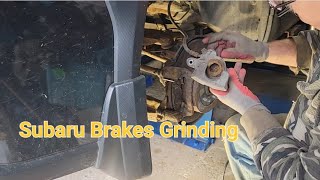
- Grinding Noises: If you hear a harsh, metallic grinding sound, stop driving as soon as it is safe. This means the pads are completely worn away, and the metal backing plate is grinding against the rotor. 🎬 Watch: Hear what grinding Subaru brakes sound like. This can quickly damage the rotors, leading to a more costly repair.
- Spongy or Soft Brake Pedal: If the brake pedal feels less responsive or sinks toward the floor, it could indicate worn pads or a problem with the brake fluid system.
- Vehicle Pulling to One Side: When you brake, if the car pulls left or right, it could mean the pads are wearing unevenly or a caliper is sticking.
- Vibration or Pulsing: A shudder or pulse in the brake pedal or steering wheel when braking often points to warped rotors, which can be caused by worn-out pads.
Known Issues & Recalls
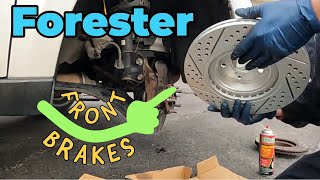
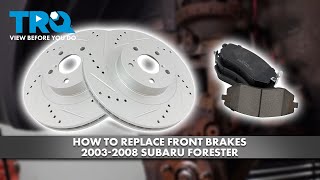
For the 2009-2013 Forester, Subaru issued a recall (NHTSA Campaign ID: 14V311, Subaru recall WQK-47) for brake line corrosion in states that use road salt. Saltwater could splash on the lines, causing them to rust and potentially leak brake fluid, increasing stopping distances. While this isn't a pad issue, it's a critical safety check for any owner in the "salt belt." Additionally, a Technical Service Bulletin (TSB #06-59-17R) was released 🎬 See this step-by-step front brake replacement walkthrough. for the 2013 Forester to address squeaking noises with a new brake pad shim design.
Choosing the Right Aftermarket Brake Pads
Aftermarket brake pads offer a wide range of options that can meet or exceed the performance of original equipment (OEM) pads, often at a better price. For your Forester, pads generally fall into three categories:
Tier 1: OEM & Premium Brands
These brands are often the original suppliers to Subaru or are known for equivalent quality. They provide a factory-like feel, quiet operation, and low dust. They are an excellent choice for daily driving.
- Akebono: Often cited as an OEM supplier for Subaru, Akebono pads are highly praised for being smooth, quiet, and long-lasting.
- Advics: Another top-tier brand with strong ties to Japanese automakers, known for excellent quality.
- Bosch: The QuietCast line is a solid choice, offering quiet performance and good stopping power for daily use.
- Raybestos: The Element3 line is well-regarded for great fit and performance, often considered better than OEM.
Tier 2: Performance Brands
If you use your Forester for towing, live in mountainous areas, or just want more aggressive stopping power, these brands are for you. The trade-off can sometimes be more dust and noise.
- Hawk Performance: Offers various compounds for different levels of performance, providing a noticeable increase in stopping power.
- EBC Brakes: Known for their different color-coded pad compounds (Green, Red, Yellow) that offer progressive steps up in performance.
- StopTech & Powerstop: These brands offer popular and affordable performance-oriented kits, often including drilled or slotted rotors. Some users note their pads can be dusty.
Tier 3: Daily Driver & Economy Brands
These brands offer reliable, safe braking for everyday commuting at a budget-friendly price. They are a great value for drivers who don't need high-performance capabilities.
- Centric: A popular choice that offers a good balance of quality and affordability, with many users reporting a perfect fit out of the box.
- Wagner: The ThermoQuiet line is a well-known, dependable option for quiet, reliable braking.
- Dynamic Friction / Pronto / Total Stopping Solutions: These economy brands meet safety standards and provide a low-cost solution for getting your Forester back on the road.
Ceramic vs. Semi-Metallic Pads
For most 2003-2013 Forester owners, Ceramic pads are the best all-around choice. They are quiet, produce less dust, and are gentle on brake rotors. Semi-metallic pads can offer better performance in extreme cold and have a firmer pedal feel but tend to be noisier and create more dust.
| Part Type | Typical Price Range |
|---|---|
| Aftermarket Pad Set (Front or Rear) | $22 - $150 |
| Performance Pad Set (Front or Rear) | $70 - $310 |
| OEM Pad Set (Front or Rear) | $80 - $200 |
| Shop Labor for Installation (per axle) | $120 - $250 |
Frequently Asked Questions (FAQ)
Do I need to replace my rotors with my pads?
It is highly recommended. While you can sometimes resurface rotors if they are within specification, installing new pads on a worn or uneven rotor surface will reduce braking performance and cause the new pads to wear out prematurely. For best results, always replace pads and rotors together.
Should I replace front and rear pads at the same time?
Not necessarily. Front brake pads typically wear out faster than rear pads because they handle most of the braking force. You should replace pads on an axle (both front wheels or both rear wheels) when they are worn.
What does "bedding in" new brakes mean?
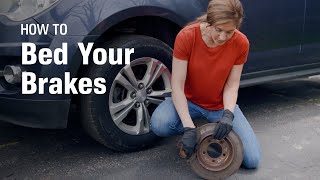
Bedding-in is a process of a few controlled stops to transfer a thin, even layer of friction material from the new pads onto the rotors. This ensures smooth, quiet, and powerful braking right from the start. Follow the manufacturer's specific instructions included with your new pads.
🎬 Watch: How to bed in your new brakes properly.Why are my new brakes squeaking?
New brakes may squeak for the first few miles as they settle in. If the noise persists, it could be due to improper lubrication of contact points (caliper pins and back of pads), or failure to replace hardware like pad clips. Using a quality anti-squeal compound during installation is crucial.
Helpful Videos
Technical Specifications
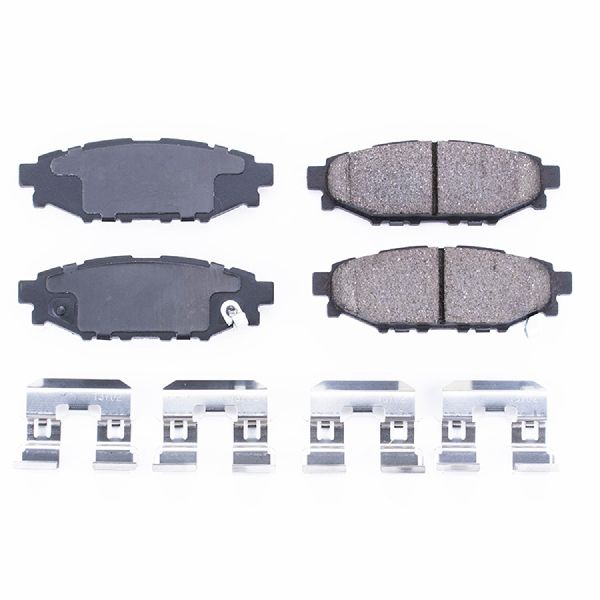
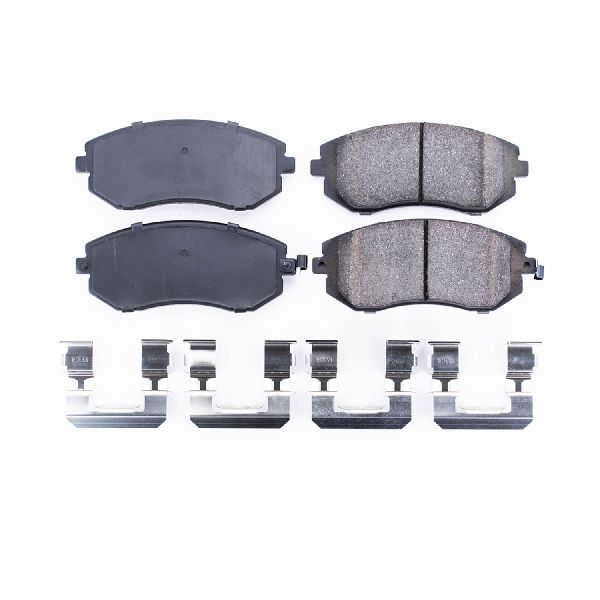
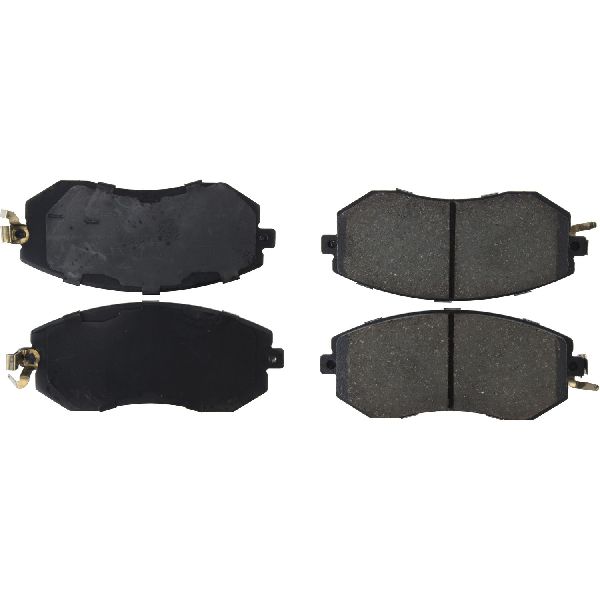
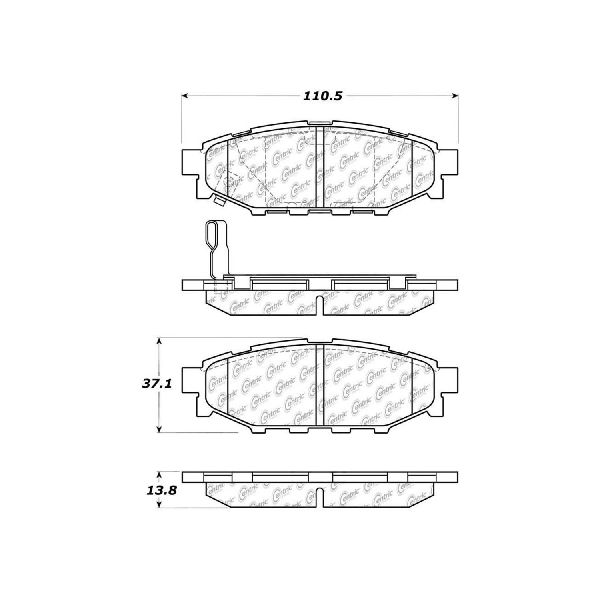
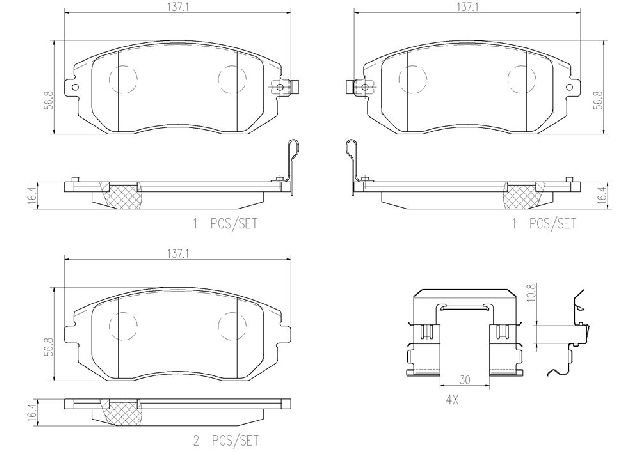
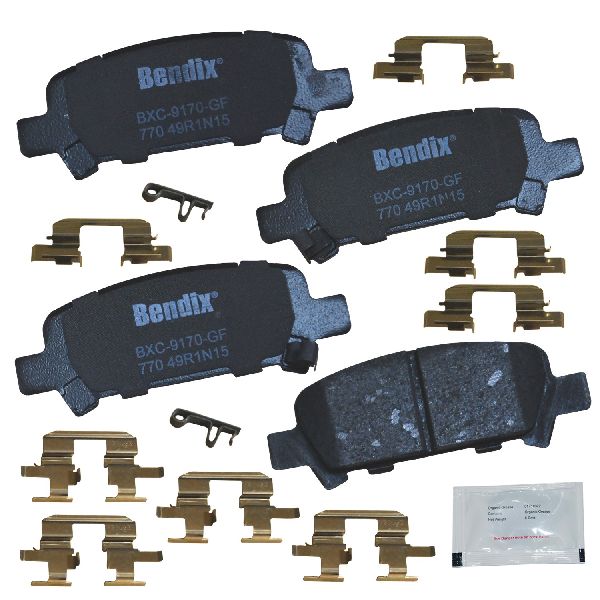
Brake pad replacement is specific to the front or rear axle and can vary based on whether the vehicle has front disc/rear drum or four-wheel disc brakes. Always verify the correct parts for your specific year and trim level. Some aftermarket pads require grinding of the tabs to fit properly.
We Have This Part in Stock

The information in this article is provided for general reference and educational purposes only. Vehicle specifications, procedures, and part compatibility can vary by production date, trim level, and region. Always consult your vehicle's factory service manual and verify part numbers before purchasing or performing repairs. Safety-critical components such as airbags, seat belts, and braking systems should be installed by a qualified professional.
- Subaru Forester:
- 🎬 Helpful Videos
- 🛍️ Shop This Part
- Signs Your Forester's Brake Pads Are Worn
- Known Issues & Recalls
- Choosing the Right Aftermarket Brake Pads
- Tier 1: OEM & Premium Brands
- Tier 2: Performance Brands
- Tier 3: Daily Driver & Economy Brands
- Ceramic vs. Semi-Metallic Pads
- Frequently Asked Questions (FAQ)
- 🎟️ Get 5% Off