

A Guide to Replacing the Catalytic Converter on a 2003-2013 Toyota Matrix
Learn to spot the signs of a failing catalytic converter and choose the right aftermarket part for your Matrix.
- Always diagnose a P0420 code properly; it could be a cheaper O2 sensor or an exhaust leak.
- If you have a 2.4L engine (2009-2013), check for excessive oil consumption before replacing the converter.
- Verify if your state requires a more expensive CARB-compliant converter before purchasing.
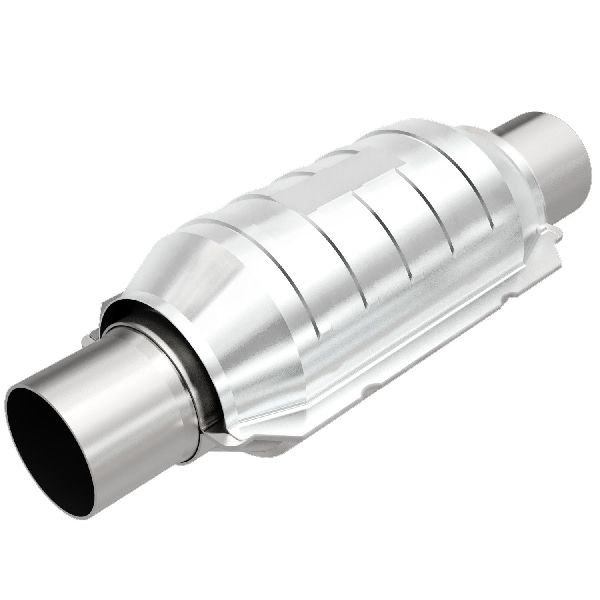
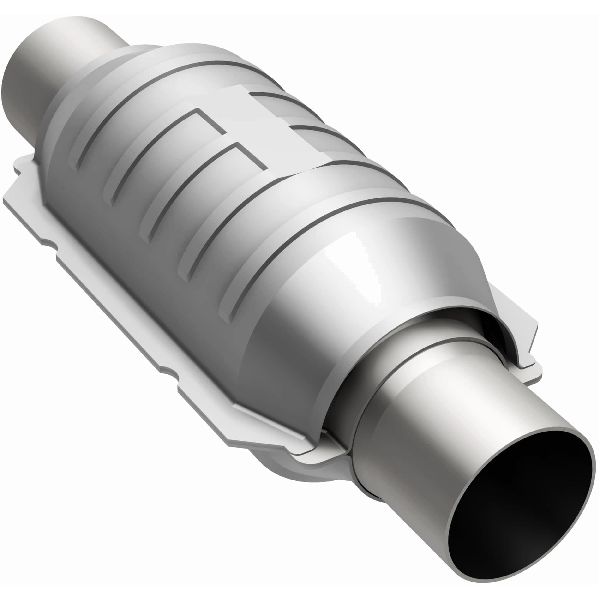
- Premium aftermarket brands like MagnaFlow and Walker are known for better quality and longevity compared to budget options.
Is Your Toyota Matrix Catalytic Converter Failing?

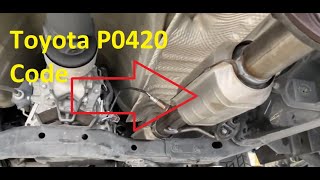
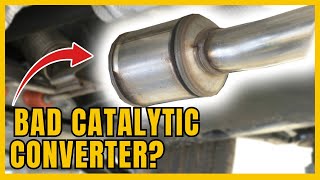
A failing catalytic converter can cause several noticeable problems with your vehicle. The most common sign is the check engine light turning on, often with a P0420 code, which means "Catalyst System Efficiency Below Threshold." You might also experience a significant drop in engine power and acceleration, making the car feel sluggish. Other symptoms include a rattling noise from under the car (caused by the internal ceramic breaking apart), a smell like rotten eggs from the exhaust, and worse fuel economy.
Special Note for 2.4L Engine Owners (2009-2013)
If you own a Matrix with the 2.4L (2AZ-FE) engine, be aware of a known issue with excessive oil consumption. This problem can cause oil to enter the exhaust system, which will quickly clog and destroy a new catalytic converter. Before replacing the converter, it is essential to determine if your engine is burning oil and address that problem first. Otherwise, your new converter will likely fail prematurely.
Diagnosing the P0420 Code Correctly

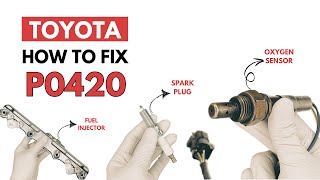
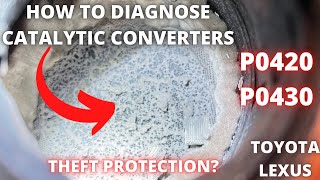
While the P0420 code often points to a bad catalytic converter, it's not the only possible cause. Faulty oxygen (O2) sensors, exhaust leaks, or even engine misfires can also trigger this code. A common mistake is replacing the converter when a much cheaper part, like an O2 sensor, is the real problem. Always have a mechanic perform a full diagnosis to confirm the converter has failed before you buy a replacement. This involves checking O2 sensor readings, looking for exhaust leaks, and ensuring the engine is running properly.
Choosing the Right Aftermarket Converter

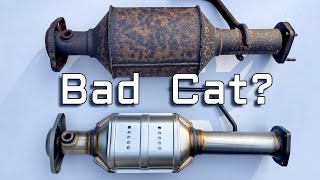
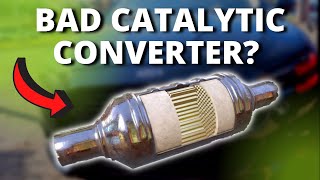
When replacing the converter on your Matrix, you'll find many aftermarket options that are much more affordable than the OEM part. However, quality can vary. Aftermarket converters use fewer precious metals, which makes them cheaper but often less durable than the original.
Brand Tiers:
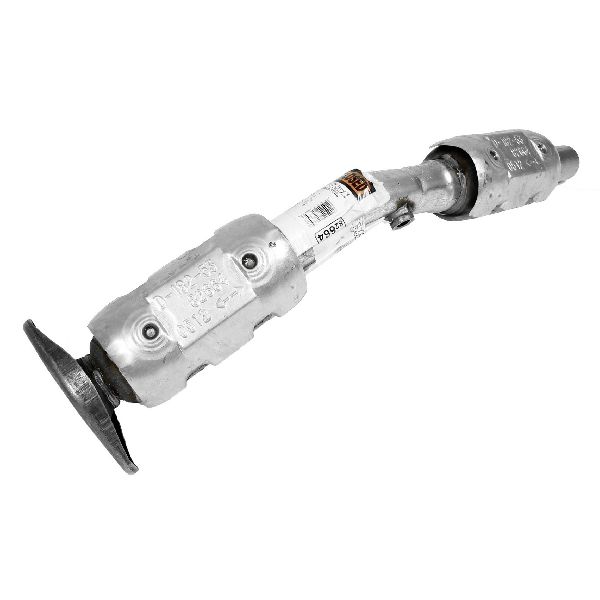
- Premium Aftermarket (MagnaFlow, Walker): These brands are well-regarded in the industry. MagnaFlow is often praised for its high-quality construction and performance-oriented designs, while Walker is known for providing reliable, direct-fit parts that work well for daily drivers. They are a solid choice if you plan to keep your car for several more years.
- Standard/Economy Aftermarket (AP Exhaust, Eastern Catalytic, Davico, Evan Fischer): These brands offer a more budget-friendly solution. They can be a good choice if you need to pass an emissions test on a tight budget. However, some user reviews mention fitment issues or shorter lifespans, particularly with brands like Davico. Eastern Catalytic generally receives decent reviews for its fit and function.
Check Emissions Laws: Before buying, verify your state's emissions requirements. Some states, like California and New York, require CARB-compliant converters, which are more expensive but built to stricter standards. Most other states allow for Federal/EPA-compliant converters. Installing the wrong type will cause you to fail inspection.
Cost to Replace a Toyota Matrix Catalytic Converter
| Part Type | Estimated Cost |
|---|---|
| New Aftermarket (EPA Compliant) | $87 - $500 |
| New Aftermarket (CARB Compliant) | $450 - $1423 |
| New OEM | $1000 - $1800+ |
| Shop Labor | $150 - $400 |
Frequently Asked Questions

Will a cheap aftermarket converter turn off my check engine light?
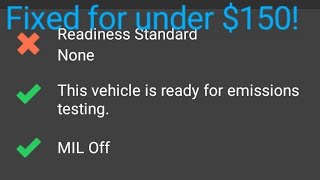
Usually, yes, at least for a while. A new aftermarket converter should be efficient enough to satisfy the O2 sensors and turn off the P0420 code. However, due to their lower loading of precious metals, they may not last as long as an OEM part, and the light could return sooner than you expect.
What's the difference between EPA and CARB-compliant converters?
EPA converters are built to federal emissions standards, which are accepted in most states. CARB (California Air Resources Board) converters are built to stricter standards required for vehicles registered in California and several other states that have adopted its rules. CARB converters contain more precious metals and are more expensive.
Can I install the catalytic converter myself?
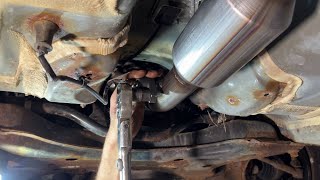
Yes, if you have the right tools and some mechanical experience. The converter is typically a bolt-on part. However, the bolts are often extremely rusted and can be very difficult to remove without a torch or cutting tools. What seems like a simple job can quickly become very challenging.
Why did my replacement converter fail after only a year?
If a replacement converter fails quickly, it's almost always because of an underlying engine problem that wasn't fixed. Common causes include burning oil (especially on the 2.4L engine), a bad fuel injector, engine misfires, or a faulty O2 sensor that allows an incorrect air/fuel mixture. These issues will destroy any converter, OEM or aftermarket.
Helpful Videos

Technical Specifications
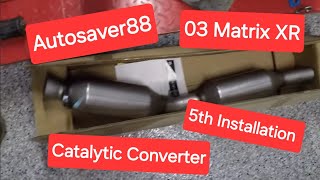
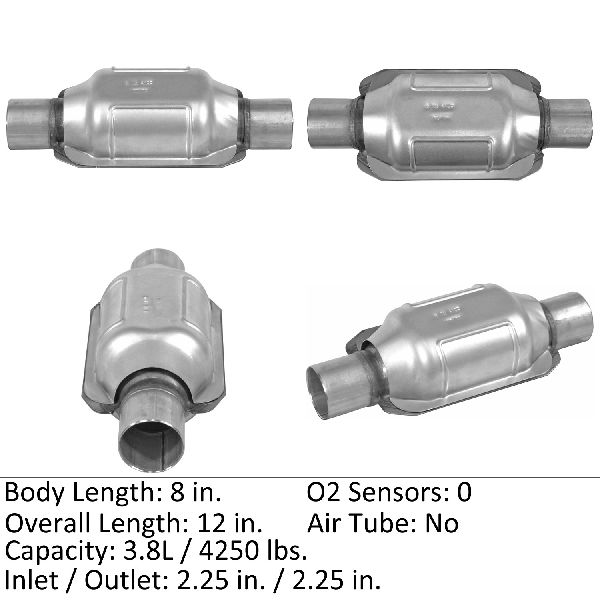
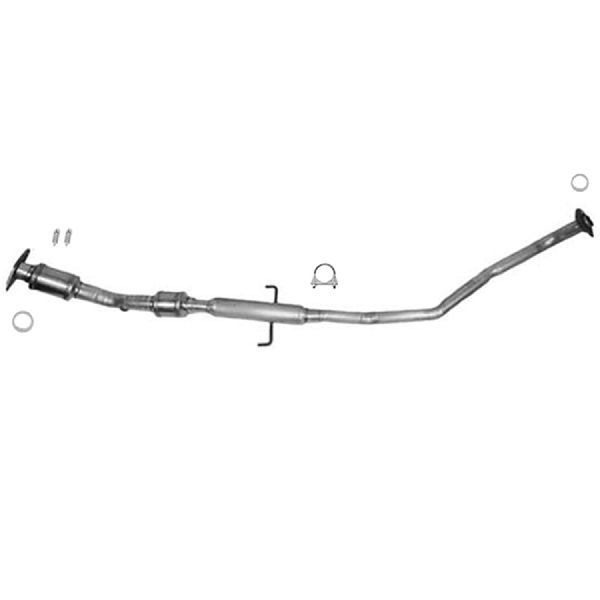
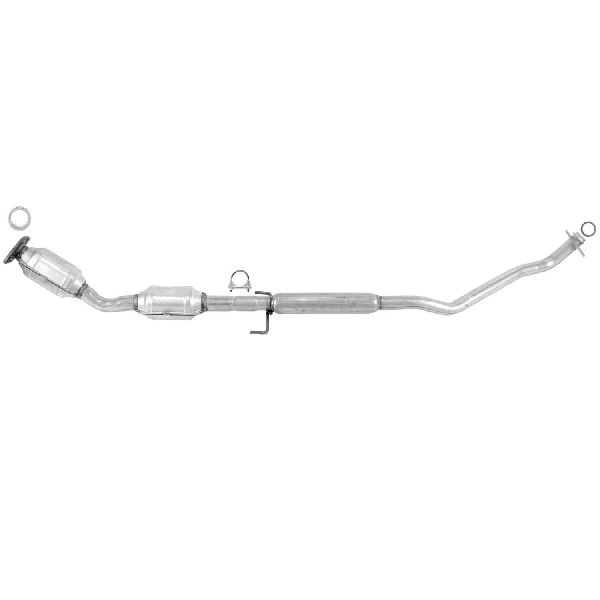
The key specification is ensuring the part is a direct-fit for your specific year, engine (1.8L or 2.4L), and drivetrain (FWD or AWD). You must also select a converter that meets your state's emissions requirements (Federal EPA or CARB).
We Have This Part in Stock

The information in this article is provided for general reference and educational purposes only. Vehicle specifications, procedures, and part compatibility can vary by production date, trim level, and region. Always consult your vehicle's factory service manual and verify part numbers before purchasing or performing repairs. Safety-critical components such as airbags, seat belts, and braking systems should be installed by a qualified professional.
- Toyota Matrix:
- 🎬 Helpful Videos
- 🛍️ Shop This Part
- Is Your Toyota Matrix Catalytic Converter Failing?
- Special Note for 2.4L Engine Owners (2009-2013)
- Diagnosing the P0420 Code Correctly
- Choosing the Right Aftermarket Converter
- Cost to Replace a Toyota Matrix Catalytic Converter
- Frequently Asked Questions
- 🎟️ Get 5% Off