

Chevrolet Express 1500 (2003-2014) Engine Coolant Temperature Sensor Guide
Is your Express van running rough, getting bad gas mileage, or showing a check engine light? Your coolant sensor might be the problem.
- A bad ECT sensor can cause a check engine light, poor fuel economy, black smoke, and overheating.
- For a P0128 code, check the thermostat first, as it is a more common cause than the sensor itself.
- Replacement is a simple DIY job; the sensor is on the driver's side cylinder head.
- High-quality aftermarket brands like Delphi and Standard, or OEM ACDelco parts, are recommended and affordably priced.
Is Your Express Van's Coolant Sensor Failing?
A bad Engine Coolant Temperature (ECT) sensor can cause a surprising number of problems. Because the sensor's reading affects so many engine functions, a false signal can lead the van's computer to make poor decisions. Watch for these common signs of failure.
- Check Engine Light: This is often the first sign. A scan tool will usually show codes like P0117, P0118, or P0128.
- Poor Fuel Economy: If the sensor wrongly tells the computer the engine is cold, the computer will inject extra fuel, wasting gas.
- Black Smoke from Exhaust: This is a direct result of too much fuel being injected. The unburned fuel ends up burning in the hot exhaust pipe, creating black smoke.
- Engine Overheating: The sensor is responsible for turning on the cooling fans. If it fails, the fans may not activate when needed, causing the engine to overheat, especially in traffic.
- Erratic Temperature Gauge: The temperature gauge on your dashboard might swing wildly, stay stuck on cold, or jump straight to hot.
- Rough Idle or Misfires: An incorrect fuel mixture can make the engine run poorly, especially when idling.
P0128 Code: Is It the Sensor or the Thermostat?
The trouble code P0128 means the engine coolant temperature is not reaching its proper operating temperature quickly enough. While this can be caused by a faulty ECT sensor, it is very often caused by a thermostat that is stuck open. Before replacing the sensor for a P0128 code, it's wise to check if the thermostat is working correctly.
Choosing the Right Aftermarket Sensor
For a part like the ECT sensor, you don't need to pay high dealership prices. Many aftermarket brands offer excellent quality, and some are even the original equipment manufacturer (OEM) for General Motors. Here’s how to choose.
- Top-Tier (OEM or Equivalent): Brands like ACDelco GM Genuine Parts and Delphi are often the same parts your van was built with. ACDelco also offers a high-quality "Professional" aftermarket line. These are excellent choices that offer factory performance and fit, often for a price similar to other aftermarket options.
- Quality Aftermarket: Brands like Standard Motor Products (SMP), NGK (NTK), and Beck Arnley have a strong reputation for producing reliable sensors that meet or exceed OEM specifications. They provide a dependable repair without the OEM branding.
- Standard/Economy: Brands like Four Seasons and others offer a budget-friendly solution. While they can work fine, their lifespan and the consistency of their readings may not match the top-tier brands. For a critical sensor like the ECT, spending a few extra dollars for a better-known brand is a good investment.
Check the Connector
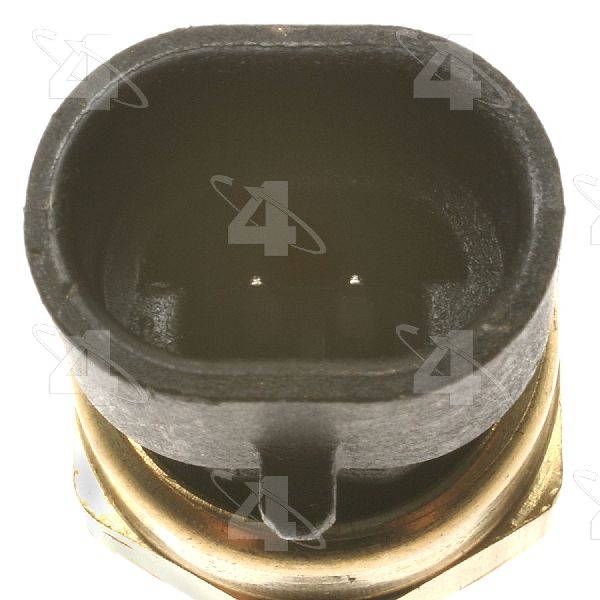
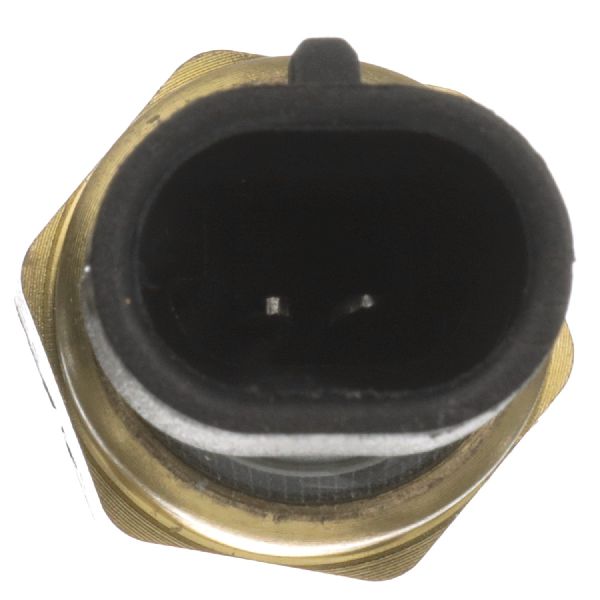
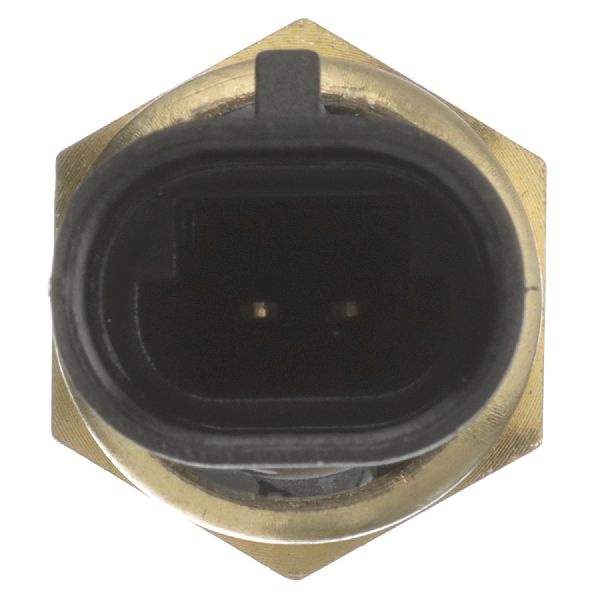
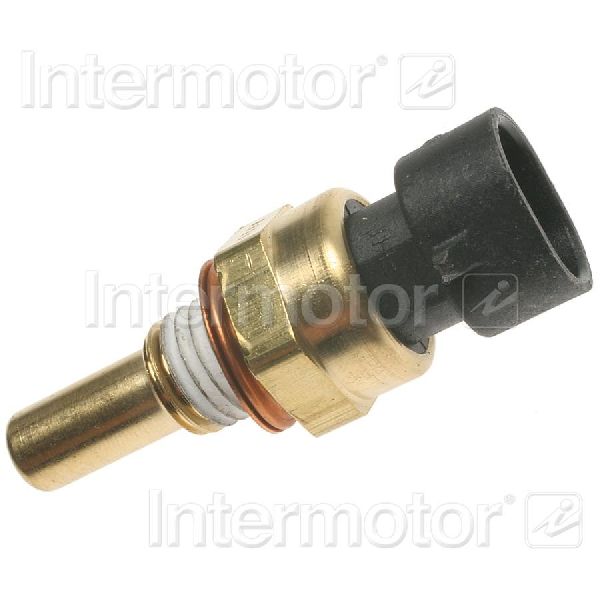
The plastic connector for the sensor can become brittle and break over time. Some brands, like Standard Motor Products, sell kits that include a new sensor and a replacement connector pigtail. Inspect your connector when you replace the sensor. If it's cracked or damaged, replace it at the same time to avoid future problems.
Typical Replacement Costs
Replacing the ECT sensor is an affordable repair, whether you do it yourself or take it to a shop.
| Part or Service | Estimated Cost |
|---|---|
| New Aftermarket Sensor | $12 - $42 |
| New OEM Sensor (ACDelco) | $15 - $30 |
| Shop Labor | $100 - $175 |
| Total Professional Repair | $115 - $217 |
Frequently Asked Questions
Where is the ECT sensor located on my Express 1500?
On the V6 and V8 engines used in the 2003-2014 Express vans, the ECT sensor is typically found on the driver's side cylinder head, toward the front of the engine near the exhaust manifold. You can access it from above or through the driver's side wheel well.
Can I replace this sensor myself?
Yes, this is a good DIY job for someone with basic tools. You will need a socket set (usually a 19mm or 3/4" deep socket), a ratchet, and a drain pan. The key is to let the engine cool completely and to swap the new sensor in quickly to minimize coolant loss.
Do I need to drain the coolant to replace it?
You don't need to drain the entire system. Some coolant will leak out when you remove the old sensor. If you have the new sensor ready to install immediately, you will only lose a small amount. Just be sure to top off the coolant reservoir after you are finished.
Are there any recalls for this part?
No, there are no specific recalls for the engine coolant temperature sensor on the 2003-2014 Chevrolet Express 1500. Searches of the NHTSA database show recalls for other issues on different model years, but none apply to this specific component and year range.
Technical Specifications
OEM Part Numbers: 19236568 213-4514 15326388 12608814
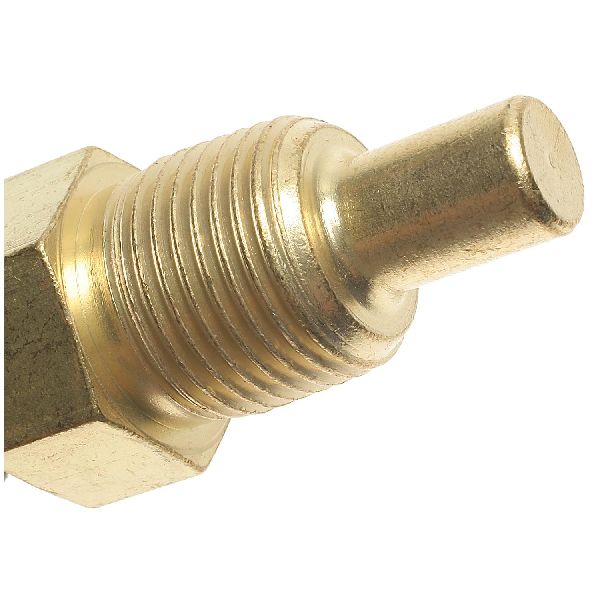
Thread Size: M12x1.5, Terminal Type: 2-Blade Male Connector
We Have This Part in Stock


The information in this article is provided for general reference and educational purposes only. Vehicle specifications, procedures, and part compatibility can vary by production date, trim level, and region. Always consult your vehicle's factory service manual and verify part numbers before purchasing or performing repairs. Safety-critical components such as airbags, seat belts, and braking systems should be installed by a qualified professional.
- Chevrolet Express 1500: