

Chevrolet Express 1500 Oil Pump Replacement Guide (2003-2014)
Keep your van's V8 or V6 engine safe from damage by understanding oil pressure issues and choosing the right replacement pump.
- Before replacing the oil pump, first inspect the oil pressure sensor, its filter screen, and the oil pickup tube O-ring, as these are more common failure points.
- If you replace the oil pump, it is mandatory to also install a new oil pickup tube O-ring to ensure proper sealing.
- For high-mileage engines, upgrading to a high-volume (HV) aftermarket pump is a popular choice to help restore oil pressure.
- This is a difficult, labor-intensive repair that requires special tools and may not be suitable for a novice DIY mechanic.
Is Your Oil Pump Really the Problem?
For the 2003-2014 Chevrolet Express 1500, especially those with the 4.8L and 5.3L V8 engines, a low oil pressure warning doesn't always mean the pump itself has failed. These engines are well-known for a few other common issues that can mimic a bad oil pump. Before committing to a difficult and expensive pump replacement, it's critical to investigate these other possibilities first.
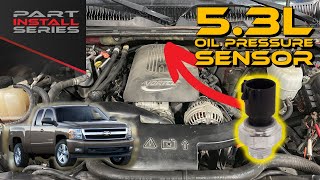
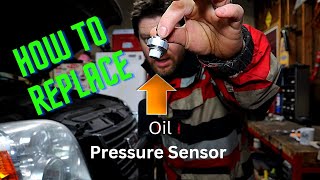
- Oil Pressure Sensor & Screen: A faulty oil pressure sensor, located at the top rear of the engine against the firewall, 🎬 Watch: Step-by-step guide to replacing the oil pressure sensor. can give false low readings. Underneath this sensor is a small, thimble-sized filter screen that often gets clogged with sludge, blocking oil from reaching the sensor and causing a P0521 code. 🎬 Watch: How to solve common P0521 low oil pressure codes.
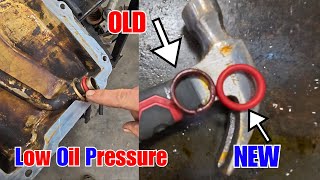
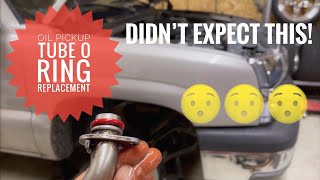
- Pickup Tube O-Ring: The most common culprit for low oil pressure in these engines is a small, inexpensive O-ring that seals the oil pump's pickup tube inside the oil pan. Over time, this O-ring can become hard and brittle, allowing the pump to suck in air along with oil. This aerated oil cannot be pressurized properly, leading to pressure drops, especially at idle after the engine warms up. 🎬 See this easy walkthrough for replacing the pickup tube O-ring.
Symptoms of a Failing Oil Pump
If you've ruled out the sensor and O-ring, the oil pump itself may be worn. The signs of a failing oil pump are serious and should never be ignored.
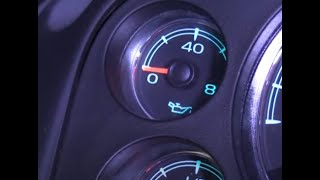
- Low Oil Pressure Warning: The most obvious sign is the oil pressure gauge dropping low (especially at idle) or the red oil warning light coming on.
- Engine Noise: You may hear a whining sound from the front of the engine where the pump is located. A ticking or clattering noise from the top of the engine (the valvetrain) indicates a lack of lubrication.
- Engine Overheating: Engine oil helps with cooling. Without proper oil flow, increased friction will cause engine temperatures to rise.
Do Not Drive with Low Oil Pressure
If you suspect low oil pressure, do not continue to drive the vehicle. Running the engine without adequate lubrication will cause rapid, severe, and permanent damage to internal components, potentially requiring a complete engine replacement.
Choosing the Right Aftermarket Oil Pump
When replacing the oil pump, you have two main choices: a standard replacement or a high-volume pump.
- Standard Replacement Pump: A standard volume and pressure pump is a direct replacement for the original. For a stock engine in good condition, a quality standard aftermarket pump is perfectly adequate to restore factory performance.
- High-Volume (HV) Aftermarket Pump: Brands like Melling offer high-volume pumps (often labeled HV) that are a popular upgrade. An HV pump can provide about 18-20% more oil flow than stock. This is often recommended for higher-mileage engines to help compensate for wider bearing clearances caused by normal wear, which can help bring idle oil pressure back up.
Replacement Cost
Replacing the oil pump is a labor-intensive job. The pump itself is not the most expensive part, but accessing it requires extensive work, including removing the oil pan, harmonic balancer, and front engine cover.
| Part/Service | Estimated Cost |
|---|---|
| New Aftermarket Oil Pump (Standard) | $70 - $100 |
| New Aftermarket Oil Pump (High-Volume) | $90 - $180 |
| New OEM (ACDelco) Oil Pump | $120 - $200 |
| Shop Labor | $700 - $1400 |
| Total Estimated Cost | $770 - $1600+ |
Cost estimates are for reference only and may vary based on location, vehicle condition, and the specific parts used.
Frequently Asked Questions (FAQ)
Can I just replace the oil pickup tube O-ring?
Yes, and if that is the only problem, it will solve your low oil pressure issue. However, it requires removing the oil pan, which is a significant part of the labor for a full oil pump replacement. If your vehicle has high mileage, many owners choose to replace the oil pump at the same time as a preventative measure, since much of the disassembly is already done.
Is a high-volume oil pump always a better choice?
Not necessarily. For a healthy, stock engine, a standard volume pump is sufficient. A high-volume pump is most beneficial for high-mileage engines with looser bearing clearances or for performance-modified engines with increased lubrication demands. Installing a high-volume pump where it's not needed doesn't typically cause harm but may be unnecessary.
What else should I replace along with the oil pump?
Any time you replace the oil pump, you absolutely must replace the oil pickup tube O-ring. It is also wise to replace the front crankshaft seal, timing cover gasket, and water pump gaskets, as all of these components must be removed to access the pump.
How difficult is it to replace the oil pump myself?
This is an advanced DIY job. It requires draining fluids, removing the fan, belts, water pump, harmonic balancer (which needs a special puller tool), and dropping the oil pan. On all-wheel-drive (AWD) models, the front differential may need to be lowered to remove the oil pan, adding significant complexity. This job is best left to experienced mechanics with the proper tools.
Helpful Videos


Technical Specifications
OEM Part Numbers: 12586665 12696357 12710303 17801830 12556434 12563964 12606311 12674648
Gerotor-style pump located behind the front engine timing cover, driven by the crankshaft.

The information in this article is provided for general reference and educational purposes only. Vehicle specifications, procedures, and part compatibility can vary by production date, trim level, and region. Always consult your vehicle's factory service manual and verify part numbers before purchasing or performing repairs. Safety-critical components such as airbags, seat belts, and braking systems should be installed by a qualified professional.
- Chevrolet Express 1500: