

A Ford E-150 Owner's Guide to Alternator Replacement (2003-2014)
Keep your E-150 workhorse on the road by understanding its charging system and choosing the right replacement alternator.
- A battery light, dimming headlights, and a whining noise are the top three signs of a failing alternator in an E-150.
- Before replacing the alternator, inspect the wiring harness near the alternator plug for breaks, a known issue on some Fords.
- Verify your van's required amperage. If you run extra electrical equipment, upgrade to a high-output alternator.
- For reliability, choose a new unit from a premium brand like Bosch or Denso over a budget or remanufactured part.
Is Your E-150 Alternator Failing?
When an alternator starts to go bad, your van will give you clear warning signs. Because the E-150 often serves as a work vehicle with heavy electrical demands, these symptoms can appear suddenly. Ignoring them is a surefire way to get stranded.
Common Failure Symptoms
- Battery Warning Light: The most obvious sign is a dashboard light shaped like a battery or with the letters "ALT" or "GEN". This indicates a problem in the charging system.
- Dimming or Flickering Lights: You may notice your headlights and dashboard lights dimming at idle and brightening as you rev the engine. They might also flicker erratically.
- Slow or Malfunctioning Accessories: Power windows that move slowly, a weak radio, or other electrical gadgets acting up are common symptoms as the alternator fails to provide enough power.
- Whining or Grinding Noises: A high-pitched whine that changes with engine RPM often points to bad bearings inside the alternator. A grinding noise can also indicate a worn-out bearing or pulley.
- Difficulty Starting or Dead Battery: The alternator is supposed to recharge your battery. If it's failing, the battery won't get charged, leading to hard starts or a battery that dies repeatedly, even if it's new.
Known Issues and Recalls
Searches of the National Highway Traffic Safety Administration (NHTSA) database and for Technical Service Bulletins (TSBs) show no specific recalls or widespread issues for the alternator itself on the 2003-2014 Ford E-150. However, some Ford technicians report that charging problems can sometimes be caused by a broken wire in the harness leading to the alternator, about a foot away from the plug. Before replacing the alternator, it's a good idea to inspect this wiring for any breaks or corrosion.
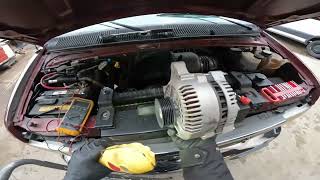
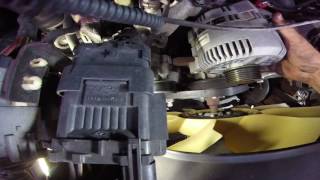
🎬 See how to replace the alternator on 4.6L and 5.4L engines.Choosing the Right Aftermarket Alternator
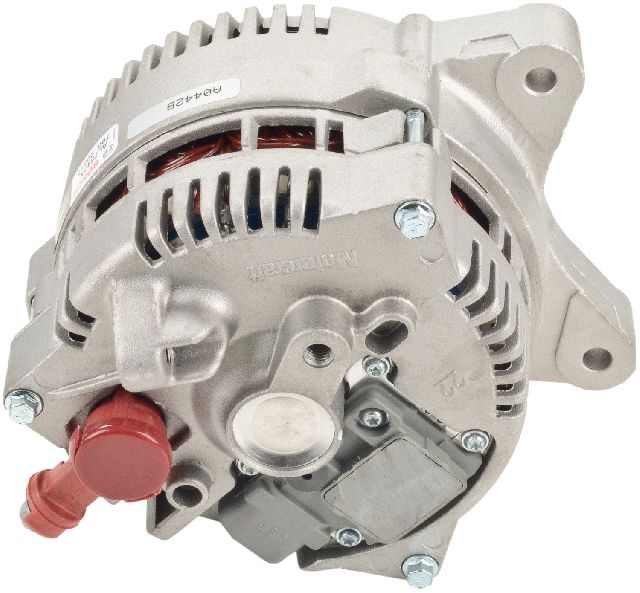
The original Ford alternator is a Motorcraft part. While OEM parts offer guaranteed fit and quality, premium aftermarket brands can provide similar performance for less money. For a workhorse like the E-150, choosing a quality replacement is crucial to avoid repeat failures.
Aftermarket Brand Tiers
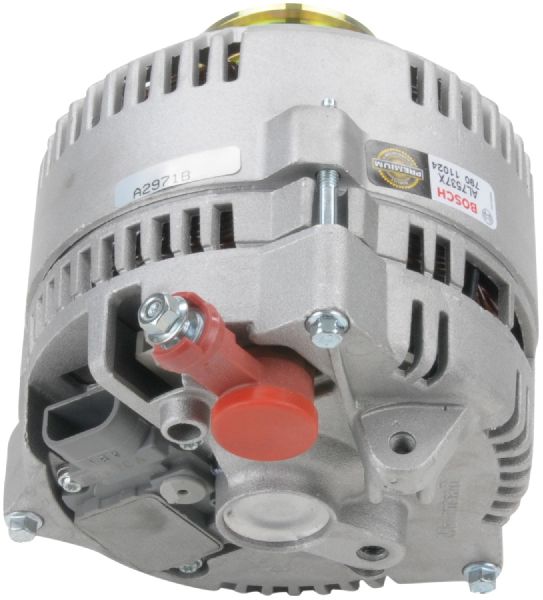
- Premium Brands (Bosch, Denso): These companies are often the original equipment manufacturers for many automakers and are known for high-quality, durable parts. A new alternator from Bosch or Denso is a top-tier choice that should meet or exceed OEM specifications.
- Quality Mid-Grade (Remy): Formerly Delco-Remy, this brand has a long history and is well-respected for producing reliable electrical parts. A new Remy alternator is a solid, dependable option.
- Economy & Standard Brands (WAI Global, BBB Industries, USA Industries, MPA): These brands offer more budget-friendly options. Quality can be inconsistent. Some users report issues like whining noises from new WAI units, suggesting potential quality control gaps. While they can be a good value, they may carry a higher risk of premature failure compared to premium brands.
Replacement Cost
Replacing the alternator on an E-150 is a common repair. The cost will vary based on the part you choose and local labor rates.
| Part Type | Estimated Cost |
|---|---|
| New Aftermarket | $94 - $354 |
| New OEM (Motorcraft) | $450 - $550 |
| Remanufactured Aftermarket | $100 - $250 |
| Shop Labor | $120 - $180 |
| Total Professional Replacement | $214 - $730+ |
Frequently Asked Questions
Can I replace the alternator myself?
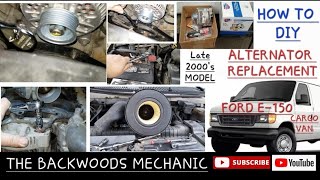
Yes, this is a very DIY-friendly job for someone with basic mechanical skills. Access is good after removing the air cleaner assembly. The process involves disconnecting the battery, releasing the serpentine belt tension, removing three bolts, and swapping the electrical connectors. 🎬 Watch this step-by-step DIY alternator replacement guide for Econoline vans. The job typically takes 1-2 hours.
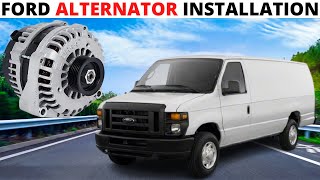
🎬 Follow this video walkthrough to install your new Ford alternator correctly.Should I buy a new or remanufactured alternator?
A new, quality aftermarket alternator from a brand like Bosch or Denso is often the best balance of reliability and cost. While remanufactured units are cheaper, their quality can vary greatly depending on the rebuilder. If you choose remanufactured, stick with a reputable brand.
Do I need a special high-output alternator?
If your E-150 is a standard passenger or cargo van, the factory amperage is sufficient. However, if it's a work van with added electrical loads like power inverters, ladder racks, or auxiliary lighting, upgrading to a high-output alternator is a smart investment to prevent electrical issues and premature failure.
Why is my new alternator making a whining noise?
A whining noise from a new alternator often points to low-quality internal bearings. This is more common in budget or economy brands. The noise can also be caused by a worn or misaligned serpentine belt, so be sure to inspect the belt and tensioner during the replacement.
Helpful Videos
Technical Specifications
OEM Part Numbers: Varies by engine (4.6L/5.4L) and model year.
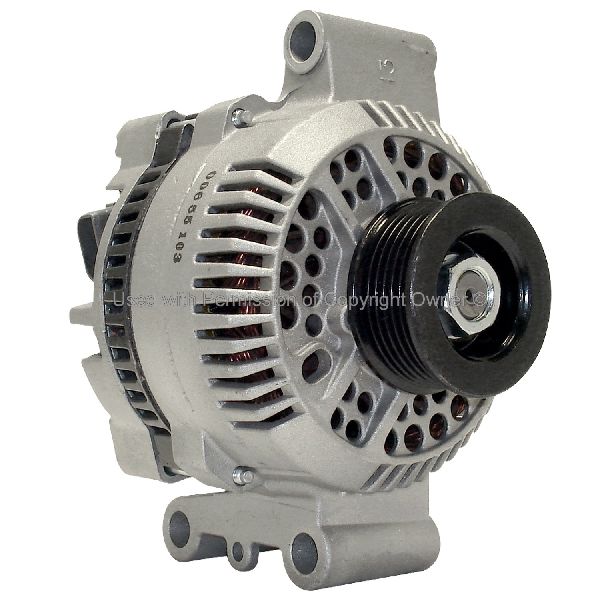
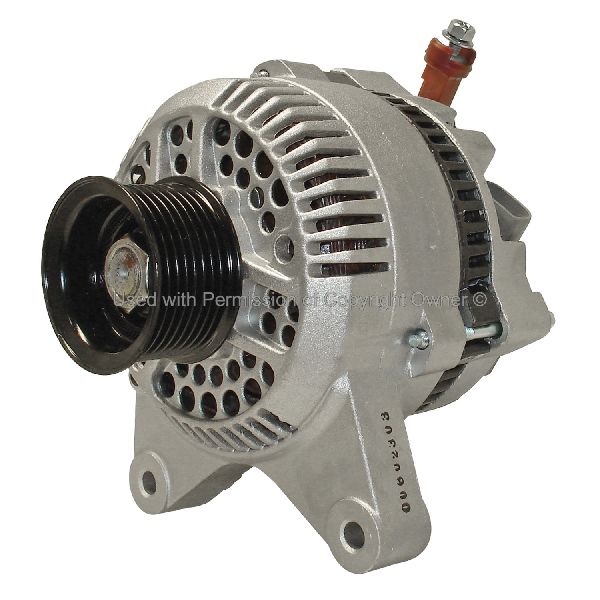
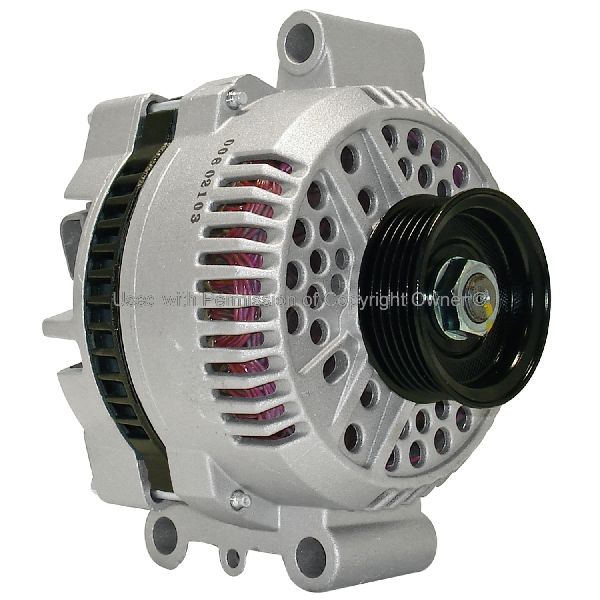
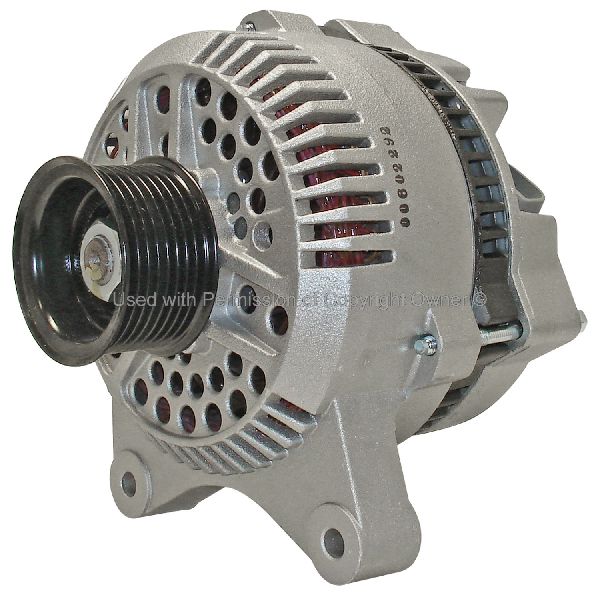
Amperage is the most critical spec. Common OEM ratings are 120A, 130A, and 135A. High-output aftermarket options are also available. The alternator uses a serpentine belt and is mounted to the engine block with three 10mm bolts.
We Have This Part in Stock

The information in this article is provided for general reference and educational purposes only. Vehicle specifications, procedures, and part compatibility can vary by production date, trim level, and region. Always consult your vehicle's factory service manual and verify part numbers before purchasing or performing repairs. Safety-critical components such as airbags, seat belts, and braking systems should be installed by a qualified professional.
- Ford E-150: