

Ford E-150 Transmission Output Shaft Speed Sensor Guide (2003-2014)
Solve your 2003-2014 Ford E-150's erratic shifting and dead speedometer by understanding and replacing the right speed sensor.
- A bad output speed sensor is a primary cause of erratic shifting and a dead speedometer on the 2003-2014 E-150.
- The most common fault codes are P0720 and P0722.
- Replacement is very easy and accessible on the driver's side of the transmission, making it a great DIY repair.
- Reputable aftermarket brands like NGK and Standard Ignition offer reliable alternatives to the more expensive OEM part.
Is Your E-150's Speed Sensor Failing?
A bad output speed sensor on a 2003-2014 E-150 causes very noticeable problems. Because the transmission computer loses the signal telling it how fast you're going, it can't command shifts correctly. This is not a part that fails quietly.
Key Symptoms of a Bad Output Speed Sensor:
- Erratic and Harsh Shifting: This is the most common complaint. Your van might delay shifts, slam into gear, or feel like it's slipping.
- Speedometer Malfunction: The speedometer may drop to zero intermittently or stop working altogether.
- Check Engine Light: A failing sensor will trigger the check engine light and store fault codes. Common codes include P0720, P0721, and P0722.
- Cruise Control Not Working: As a safety feature, your van will disable the cruise control if it can't get a reliable speed reading.
A Note on Severe Failures & TSBs
While no specific recalls exist for this sensor on the E-150, Ford has issued recalls for F-150s where a similar sensor failure caused the transmission to suddenly downshift to first gear at high speed. Additionally, Ford TSB 16-0032 for the 4R75E transmission notes that codes P0720 and P0722 can be associated with more serious internal transmission failures. If you also hear grinding noises or feel severe slipping, have the transmission professionally diagnosed before replacing only the sensor.
Choosing the Right Aftermarket Sensor
For a critical part like a speed sensor, you want a replacement that provides a clean, reliable signal just like the original. The OEM part is made by Motorcraft. Aftermarket brands offer a cost-effective alternative without a significant drop in quality, as long as you choose a reputable manufacturer.
- NGK (NTK Sensors): NGK's sensor brand is NTK. They are a massive global OEM supplier, and their aftermarket sensors are widely considered to be of premium quality, engineered to meet or exceed original specifications.
- Standard Ignition (SMP): Standard Motor Products is a long-established aftermarket company with a solid reputation. They sometimes offer multiple product lines for the same part; for electronics, it's wise to stick with their standard line rather than a budget or "T-series" alternative to ensure reliability.
For this specific application on the E-150, both NGK and Standard Ignition are trusted brands that should restore proper function. The choice often comes down to price and availability.
How to Replace the Output Speed Sensor on a 2003-2014 E-150
This is a great DIY job for the home mechanic. The sensor is easy to access.
- Locate the Sensor: The output speed sensor is on the driver's side of the transmission, toward the rear (tail housing). You will see an electrical connector and a small sensor held in by a single bolt.
- Disconnect and Remove: Unplug the electrical connector. Then, remove the single 8mm bolt holding the sensor in place.
- Install the New Sensor: Gently twist and pull the old sensor out. A small amount of transmission fluid might drip out. Lubricate the O-ring on the new sensor with fresh transmission fluid and insert it into the transmission. Re-install the bolt (do not overtighten) and plug the connector back in.
Pro Tip: After replacing the sensor, it's a good idea to disconnect the battery for about 15 minutes. This will clear the adaptive learning tables in the transmission computer and allow it to re-learn the shift points with the new, accurate sensor signal.
Cost of Replacing the Output Speed Sensor
| Part Type | Estimated Cost |
|---|---|
| New OEM (Motorcraft) | $25 - $50 |
| New Aftermarket (NGK, Standard) | $33 - $63 |
| Shop Labor | $60 - $150 |
Frequently Asked Questions
Where is the output speed sensor on a Ford E-150?
It is located on the outside of the transmission, on the driver's side near the rear where the driveshaft connects. It is held in by a single 8mm bolt.
What's the difference between the input (TSS) and output (OSS) speed sensor?
The Input Shaft Speed (TSS) sensor measures the speed of the transmission's input shaft from the engine, while the Output Shaft Speed (OSS) sensor measures the speed of the shaft going out to the wheels. The computer compares both signals to verify the transmission is in the correct gear and to detect slippage.
Is this the same as the ABS or wheel speed sensor?
On many of these vans, the sensor located on the rear differential housing is used for the Anti-lock Brake System (ABS) but also provides the vehicle speed signal to the PCM. The part number for the transmission output sensor (Motorcraft DY-1123) is often cross-referenced as a rear ABS sensor. For this application, the terms are often used for the same part that provides the vehicle speed reading.
Do I need special tools to replace this sensor?
No. Basic hand tools, including a ratchet with an 8mm socket, are all that's typically required. Access is fairly easy from underneath the van.
Technical Specifications
OEM Part Numbers: DY-1123 BRAB-130
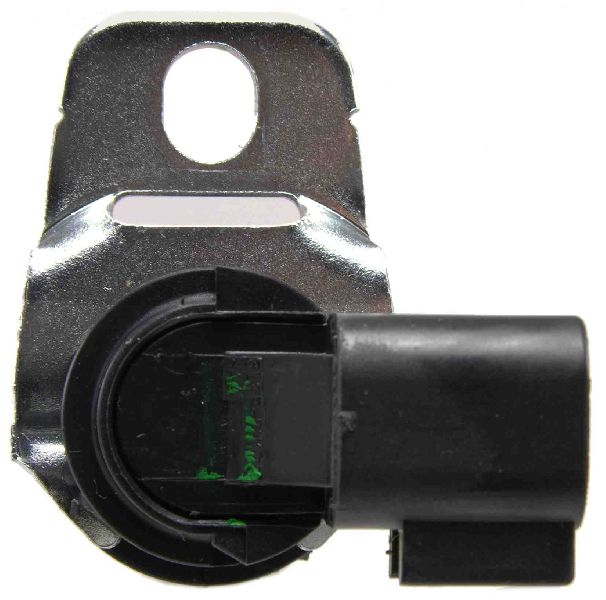
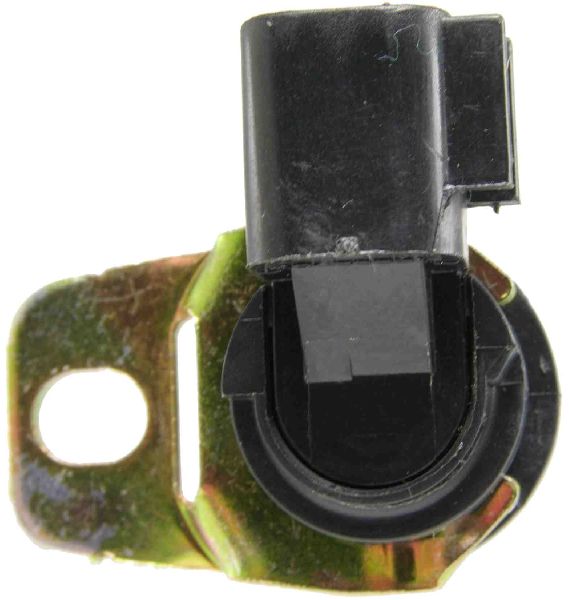
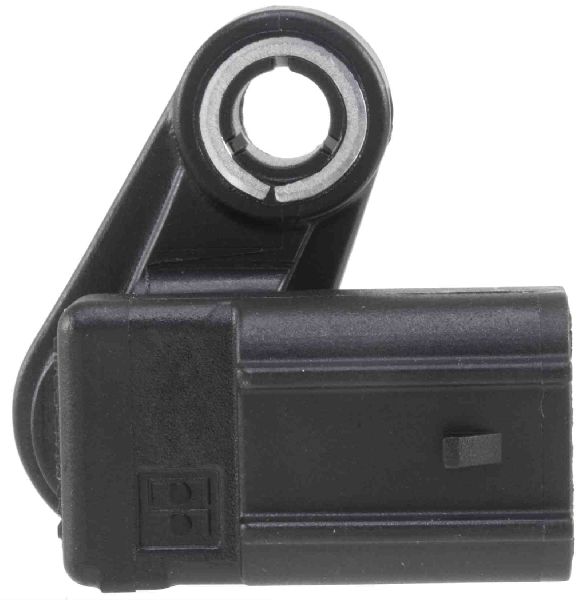
Typically a 2-pin magnetic sensor held in by a single 8mm bolt, located on the transmission tail housing or rear differential.
We Have This Part in Stock


The information in this article is provided for general reference and educational purposes only. Vehicle specifications, procedures, and part compatibility can vary by production date, trim level, and region. Always consult your vehicle's factory service manual and verify part numbers before purchasing or performing repairs. Safety-critical components such as airbags, seat belts, and braking systems should be installed by a qualified professional.
- Ford E-150:
- 🛍️ Shop This Part
- Is Your E-150's Speed Sensor Failing?
- Key Symptoms of a Bad Output Speed Sensor:
- A Note on Severe Failures & TSBs
- Choosing the Right Aftermarket Sensor
- How to Replace the Output Speed Sensor on a 2003-2014 E-150
- Cost of Replacing the Output Speed Sensor
- Frequently Asked Questions
- 🎟️ Get 5% Off