

Ford E-150 Starter Motor Replacement Guide (2003-2014)
Is your Ford E-150 van clicking, cranking slowly, or refusing to start? This guide is for you.
- Symptoms like clicking, slow cranking, or intermittent starting are classic signs of a failing starter on the E-150.
- Always test the battery and starter relay first, as they can cause similar symptoms and are easier to fix.
- The starter is a 3-bolt unit on the driver's side; the top bolt can be tricky to access.
- Standard new aftermarket starters are great for normal use, while high-torque brands like Powermaster are a good upgrade for heavy-duty use or cold climates.
Is Your Ford E-150 Starter Failing?
A failing starter on a Ford E-150 rarely dies without warning. Owners typically report several common symptoms before a complete failure. Recognizing these signs can prevent you from being stranded.
Common Failure Symptoms
- Single Loud Click or Rapid Clicking: This is the most classic sign. You turn the key, and instead of the engine cranking, you hear a clicking sound. This usually means the starter's solenoid is engaging, but the motor itself isn't turning, often due to internal wear.
- Slow, Labored Engine Crank: The engine turns over, but it sounds sluggish and weak, as if the battery is dying. If your battery is healthy, the starter is likely drawing too much power due to internal wear.
- No Sound at All: You turn the key and get complete silence. While this can be a battery issue, if the lights on your dash work, it could point to a dead spot in the starter motor or a failed solenoid.
- Grinding or Whirring Noise: A harsh grinding sound when you try to start the engine can indicate that the starter gear is not engaging properly with the engine's flywheel, or it has failed to retract. Stop trying to start the vehicle immediately to prevent further damage.
- Intermittent Starting: The van starts fine one day but refuses to crank the next. This points to a developing electrical problem inside the starter motor.
Starter, Battery, or Relay?
Starting problems aren't always the starter motor. A weak or dead battery will cause similar symptoms, like clicking or a slow crank. Before replacing the starter, fully charge and test your battery. Also, consider the starter relay, located in the engine compartment fuse box. A faulty relay can prevent power from reaching the starter and is a much cheaper and easier part to replace.
Choosing the Right Aftermarket Starter
For the 2003-2014 E-150, you don't need to pay for an OEM starter to get reliable performance. Aftermarket parts offer excellent value and quality. They generally fall into two categories:
Tier 1: Standard Replacement (MPA and similar brands)
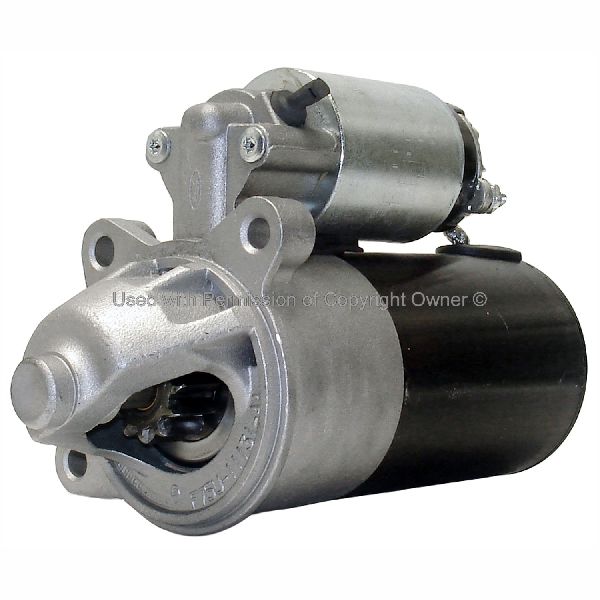
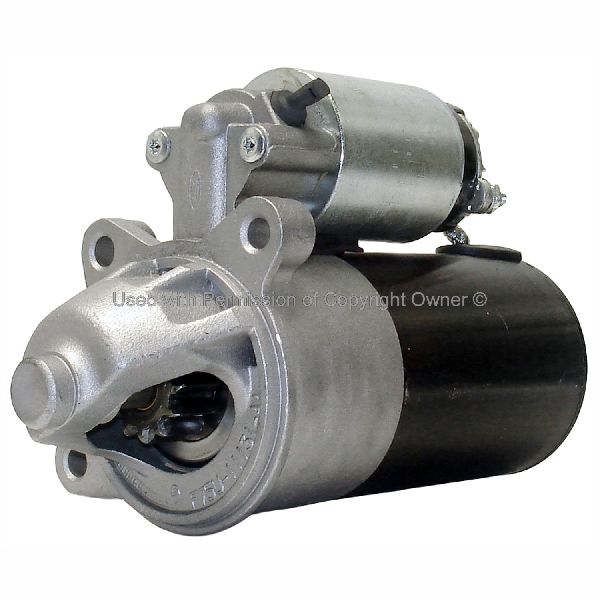
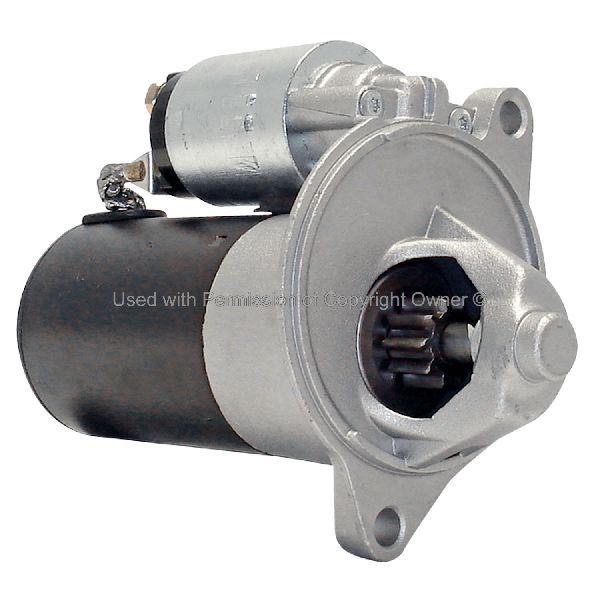
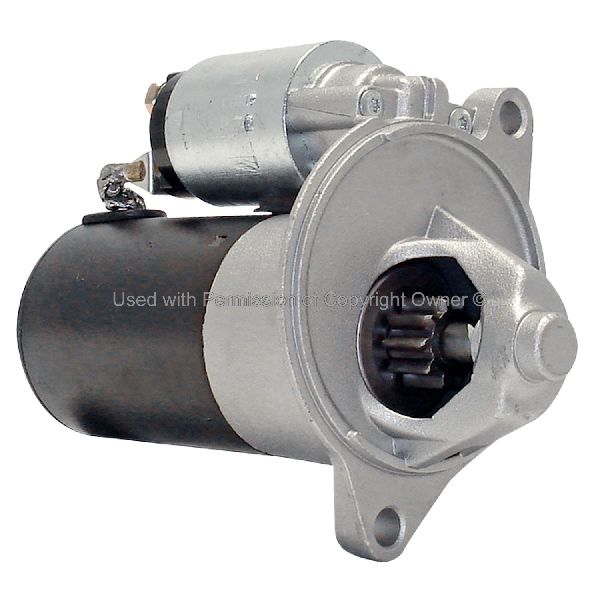
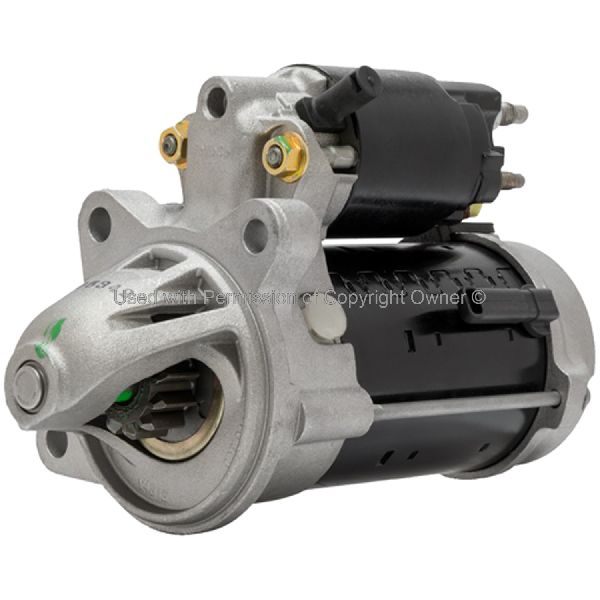
These starters are designed to be direct, OE-equivalent replacements. Brands like MPA focus on manufacturing parts that meet or exceed the original factory specifications. They are built in certified facilities and are 100% tested for performance. For a daily-driven van under normal use, a new standard aftermarket starter provides a perfect balance of reliability and cost.
Tier 2: High-Torque Upgrades (Powermaster and similar brands)
High-torque, gear-reduction starters are a popular upgrade, especially for work vans, high-mileage engines, or vehicles operating in cold climates. Powermaster is a well-regarded brand in this category. Owners report that these starters spin the engine faster and with more authority than the stock unit, which can make starting easier. While some users have noted that installation can be tricky due to the starter's housing design, the performance benefits are often worth the extra effort.
Pro Tip: Installation Matters
Regardless of which starter you choose, a successful replacement depends on a clean installation. Always disconnect the battery before you begin. When the old starter is out, take a moment to clean the mounting surface on the engine block and the electrical connection points with a wire brush. A clean, solid connection is crucial for the new starter to get the power it needs.
Cost of Replacing a Ford E-150 Starter
Starter replacement is a common repair. Below are typical cost ranges. Prices vary based on your location and the specific part chosen.
| Item | Estimated Cost |
|---|---|
| Shop Labor | $73 - $107 |
| New OEM Part | $224 - $277 |
| New Aftermarket Part | $89 - $155 |
| Total Professional Replacement (Aftermarket) | $162 - $262 |
Frequently Asked Questions
How difficult is it to replace the starter on a 2003-2014 E-150?
For a DIYer with a decent set of tools, this job is manageable. The starter is located on the driver's side of the engine and is held on by three bolts. The bottom two bolts are easy to access, but the top bolt can be difficult to reach without a long extension and a swivel socket. Plan for about 1.5 to 2.5 hours. Always disconnect the negative battery terminal first.
Are there any recalls for the E-150 starter?
No. As of early 2026, there are no widespread recalls or Technical Service Bulletins (TSBs) from Ford or the NHTSA specifically for starter motor failure on the 2003-2014 Ford E-150.
What is "heat soak" and does it affect my van?
Heat soak is a condition where the starter gets so hot from the engine that it temporarily fails to work. After the engine cools down, it starts working again. This was a common issue on older Ford vehicles. While less common on the 2003-2014 models, if your van only has trouble starting when it's hot, a high-torque, gear-reduction starter can often solve the problem.
What are the torque specs for the starter bolts?
The three starter mounting bolts should be torqued to 15-20 ft-lbs. Be careful not to over-tighten them, as the engine's bell housing is aluminum.
Technical Specifications
OEM Part Numbers: DL3Z-11002-A 9C2Z-11002-A 6C2Z-11002-CA 3C24-11000-CA
Voltage: 12V, Rotation: Clockwise, Type: Permanent Magnet Gear Reduction (PMGR), Mounting: 3-Bolt
We Have This Part in Stock

The information in this article is provided for general reference and educational purposes only. Vehicle specifications, procedures, and part compatibility can vary by production date, trim level, and region. Always consult your vehicle's factory service manual and verify part numbers before purchasing or performing repairs. Safety-critical components such as airbags, seat belts, and braking systems should be installed by a qualified professional.
- Ford E-150:
- 🛍️ Shop This Part
- Is Your Ford E-150 Starter Failing?
- Common Failure Symptoms
- Starter, Battery, or Relay?
- Choosing the Right Aftermarket Starter
- Tier 1: Standard Replacement (MPA and similar brands)
- Tier 2: High-Torque Upgrades (Powermaster and similar brands)
- Pro Tip: Installation Matters
- Cost of Replacing a Ford E-150 Starter
- Frequently Asked Questions
- 🎟️ Get 5% Off