

Ford E-150 Stabilizer Bar Bushing Guide for 2003-2014 Models
Eliminate front-end clunks and restore your van's handling by choosing the right stabilizer bar bushings.
- The most common symptom of failure is a clunking noise from the front end when driving over bumps.
- You must measure your stabilizer bar's diameter before ordering parts to ensure you get the correct size.
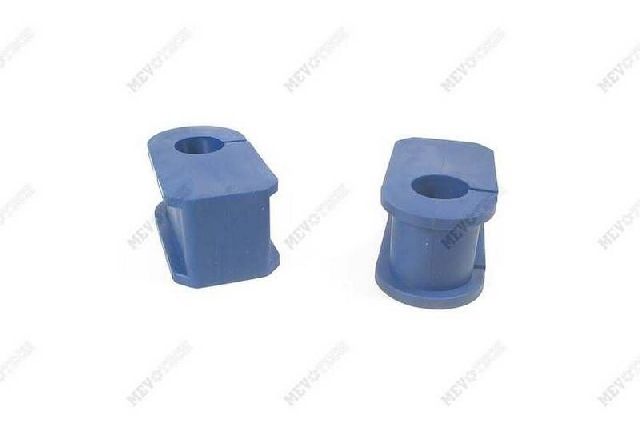
- For heavy use, consider premium polyurethane bushings from brands like Moog or Mevotech; for standard use, quality rubber from Dorman or Delphi is a cost-effective choice.
- This is a common DIY repair that is relatively inexpensive and does not require a wheel alignment afterward.
Is Your E-150 Making a Clunking Noise?
The number one sign of worn stabilizer bar bushings on a 2003-2014 Ford E-150 is a distinct clunking, rattling, or knocking sound from the front suspension. This noise is most noticeable when driving at low speeds over bumps, potholes, or uneven driveways. Because the E-150 is a heavy vehicle, these simple rubber parts are under constant stress and eventually compress, crack, or wear out. Other symptoms include excessive body roll or a "floaty" feeling when turning, and less responsive steering. A visual inspection might reveal cracked, deformed, or missing rubber around the sway bar.
🎬 Watch: Hear what bad bushings sound like and how to replace them.Measure Before You Order
Ford E-150 vans were produced with several different stabilizer bar diameters. Ordering the wrong size bushing is the most common mistake. Before purchasing, use a caliper or an adjustable wrench and ruler to accurately measure the diameter of your van's stabilizer bar to ensure a correct fit.
Choosing the Right Aftermarket Bushing Kit
For a wear-and-tear part like this, aftermarket kits offer excellent value and often meet or exceed original factory quality. The main decision you'll face is between standard rubber bushings and upgraded polyurethane bushings.
Rubber vs. Polyurethane Bushings
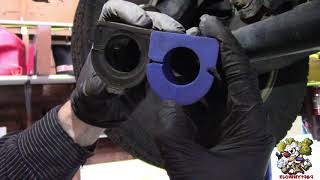
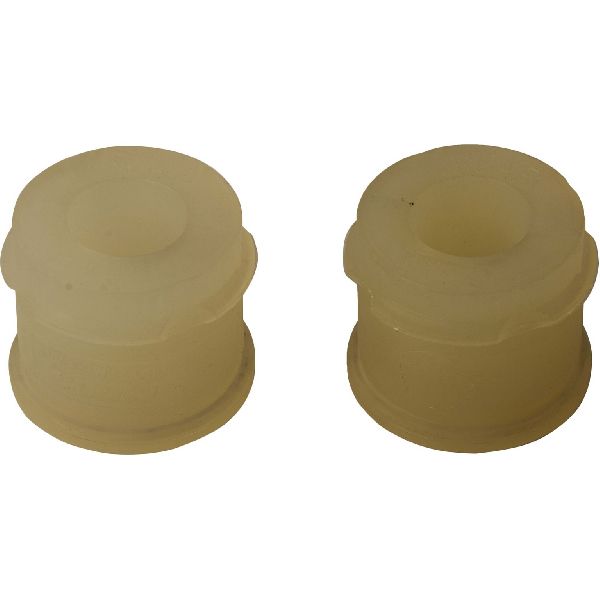
- Rubber Bushings: These provide a ride quality similar to the original factory parts. They are excellent at absorbing vibration and are ideal for a quiet, comfortable ride for daily driving and standard work use. However, they have a shorter lifespan compared to polyurethane.
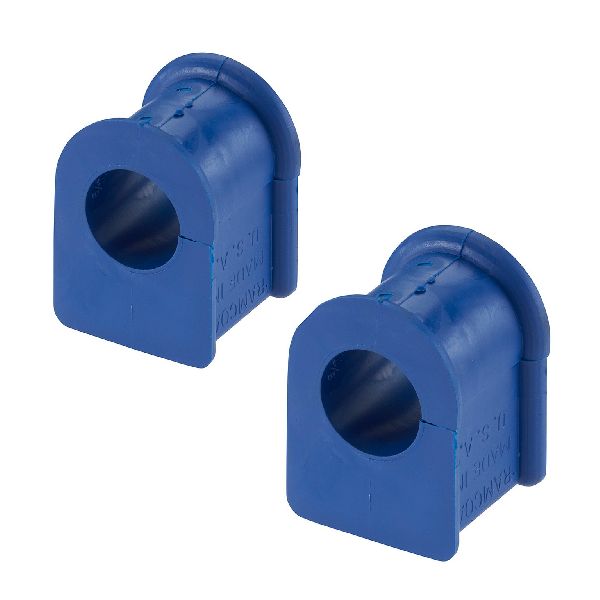
- Polyurethane (Poly) Bushings: These are a firmer, more durable upgrade. Polyurethane is resistant to oils, chemicals, and wear, making it last much longer. The added stiffness can improve handling and stability, which is beneficial for a heavy van, but it may also transmit more road noise and vibration, resulting in a slightly harsher ride. They may also require special grease during installation to prevent squeaking.
Aftermarket Brand Tiers
Several reputable brands offer kits for your E-150. They can be grouped into general quality tiers:
- Premium / Heavy-Duty (Moog, Mevotech): Moog's "Problem Solver" line and Mevotech's premium lines are well-regarded for durability and often include improvements over the original design. These are excellent choices if you use your van for heavy hauling or want the longest-lasting parts. Moog is often considered a top choice for Ford trucks and vans.
- Standard Quality (Delphi, Dorman, QuickSteer): These brands are trusted names that provide reliable, OE-quality replacements. They offer a good balance of performance and price for everyday use and are widely available.
| Item | Estimated Cost |
|---|---|
| New Aftermarket Kit | $10.34 - $58.81 |
| New OEM Kit | $40 - $90 |
| Shop Labor | $100 - $200 |
Pro Tip: Installation
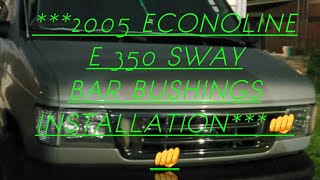
Replacing the stabilizer bar bushings is a straightforward job for a DIYer with basic tools. The process involves unbolting the brackets holding the bar to the frame, removing the old bushings, and installing the new ones. It's important to lubricate the new bushings with a suitable grease (often included with polyurethane kits) to allow smooth movement and prevent noise. The vehicle should be on level ground when tightening the bolts to ensure the suspension is properly loaded.
🎬 See this step-by-step walkthrough for replacing Ford van sway bar bushings.Frequently Asked Questions
What does a bad stabilizer bar bushing sound like?
The most common sound is a rhythmic clunk or rattle from the front of the van that occurs when you drive over bumps or uneven surfaces. It can sound like a loose metal part knocking around in the suspension.
Are there any recalls for E-150 stabilizer bar bushings?
No specific recalls have been issued by the NHTSA for stabilizer bar bushings on the 2003-2014 Ford E-150. The issues are related to normal wear and tear.
Can I replace just the bushings, or do I need the whole bar?
In most cases, you only need to replace the bushings. The steel stabilizer bar itself is very durable and rarely needs replacement unless it has been bent or damaged in a collision.
🎬 Watch: A quick guide to removing bushings from the axle beam.Does replacing stabilizer bar bushings require a wheel alignment?
No, replacing the stabilizer bar bushings does not affect your vehicle's wheel alignment.
Helpful Videos
Technical Specifications
OEM Part Numbers: F81Z-5484-GA E9TZ5493C 4L3Z-5484-AA
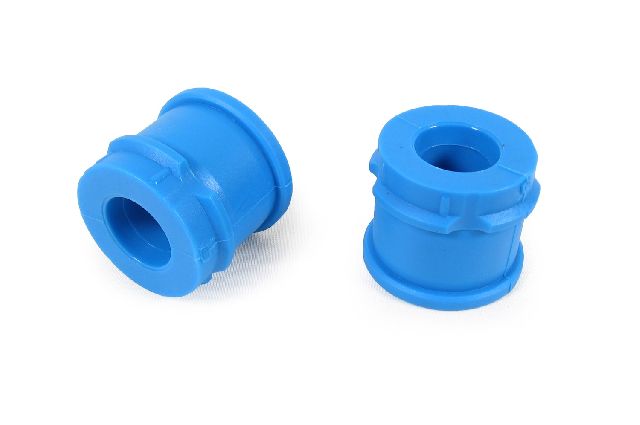
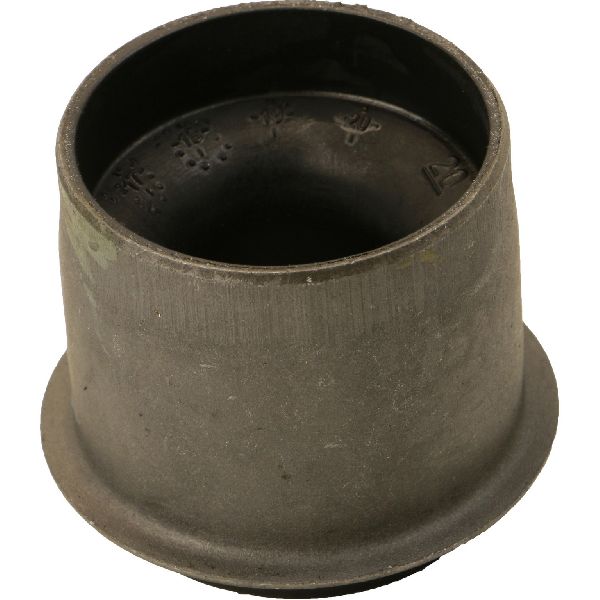
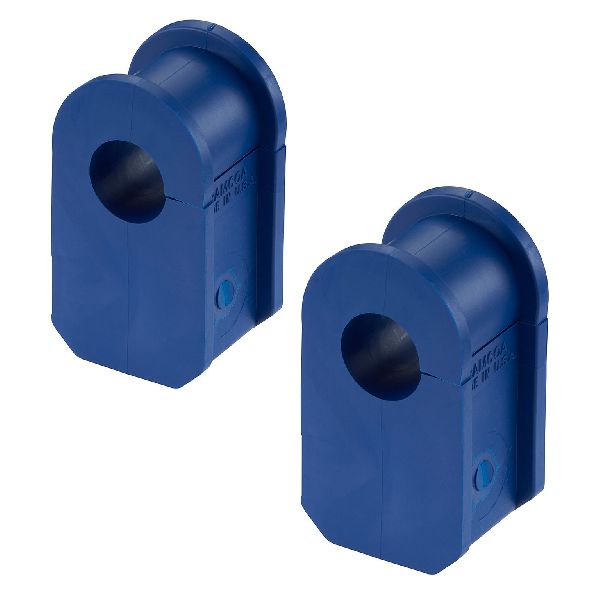
Bushings are available for multiple bar diameters, commonly including sizes around 21mm, 22.5mm, and 25.5mm (1 inch). Kits typically include two frame-mount bushings and may or may not include end link bushings, depending on the specific kit purchased.
We Have This Part in Stock

The information in this article is provided for general reference and educational purposes only. Vehicle specifications, procedures, and part compatibility can vary by production date, trim level, and region. Always consult your vehicle's factory service manual and verify part numbers before purchasing or performing repairs. Safety-critical components such as airbags, seat belts, and braking systems should be installed by a qualified professional.
- Ford E-150: