

Ford E-250 (2003-2014) Automatic Transmission Oil Cooler Replacement Guide
Keep your workhorse E-250 shifting smoothly by understanding when and why to replace your transmission oil cooler.
- A failing transmission cooler can cause serious transmission damage; symptoms include leaks, overheating, and poor shifting.
- For heavy-duty use, upgrading to a plate and fin style cooler from a brand like Hayden is a wise investment.
- Always replace the transmission cooler lines when replacing the cooler to prevent future leaks.
- This is a DIY-friendly job for those with basic tools, potentially saving over $100 in labor costs.
Is Your E-250's Transmission at Risk?
The automatic transmission in your Ford E-250 works hard, and heat is its biggest enemy. An overheating transmission can lead to poor shifting, internal damage, and eventually, complete failure. The automatic transmission oil cooler is your primary defense against this heat. Failures often happen due to corrosion, damage from road debris, or simple old age, leading to leaks or blockages that prevent the cooler from doing its job.
Symptoms of a Failing Transmission Oil Cooler
Knowing the signs of a bad cooler can save you from a much more expensive transmission replacement down the road. Pay attention to these warnings:
- Transmission Fluid Leaks: You might see reddish fluid on the ground under the front of your van. Leaks can come from the cooler itself or the lines connected to it.
- Overheating Transmission: The transmission temperature warning light may come on, or you might notice a burning smell. This is a serious sign that the fluid is getting too hot.
- Poor Shifting Performance: When transmission fluid overheats, it loses its ability to lubricate properly. This can cause delayed shifts, slipping gears, or harsh, jerky shifting.
- Check Engine Light: A code like P0218 may be stored, indicating a transmission over-temperature condition. 🎬 Learn more about what causes the P0218 error code.
Check for Leaks First
Before buying a new cooler, thoroughly clean the cooler, lines, and surrounding areas. Drive the van and then re-inspect to pinpoint the exact source of the leak. Sometimes, a leaking line or a loose fitting is the real problem, not the cooler itself.
Choosing the Right Aftermarket Cooler
For a work vehicle like the E-250, aftermarket coolers offer excellent value. The original equipment (OEM) cooler is effective, but modern aftermarket designs can sometimes offer better cooling efficiency. When shopping, you'll see two main types:
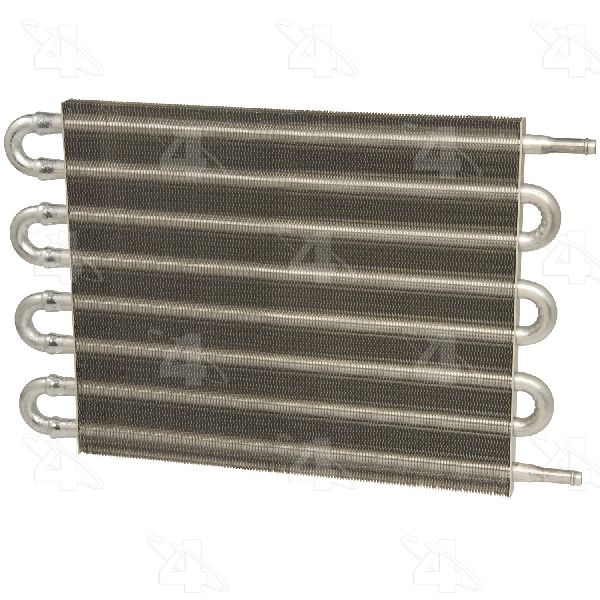
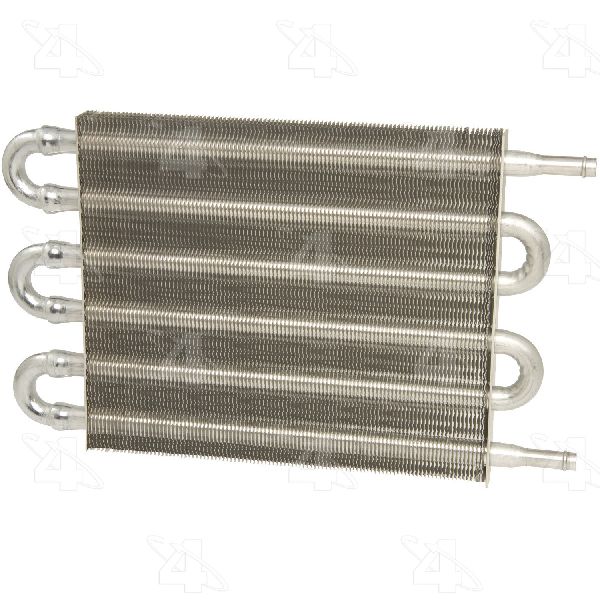
- Tube and Fin: This is a basic, common design. It's affordable and works well for standard use.
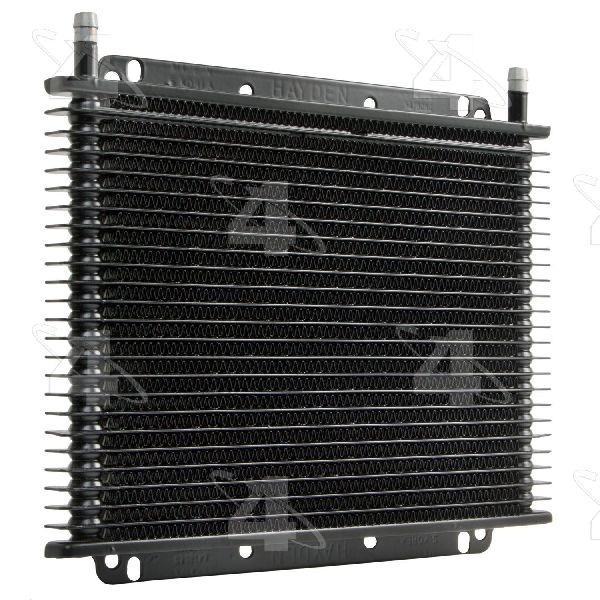
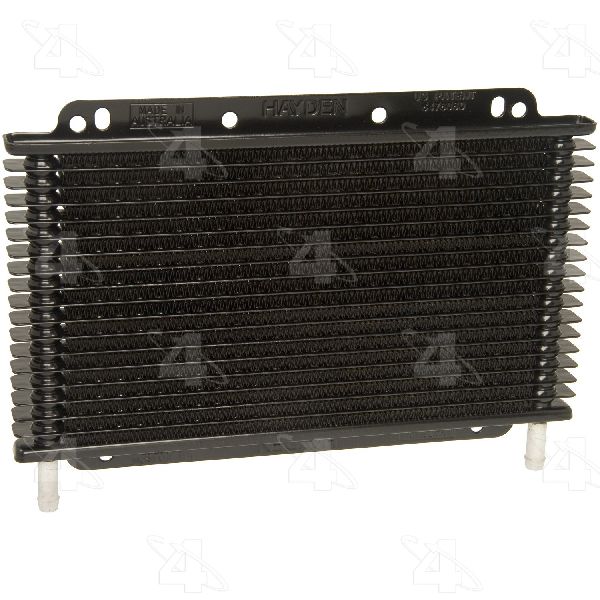
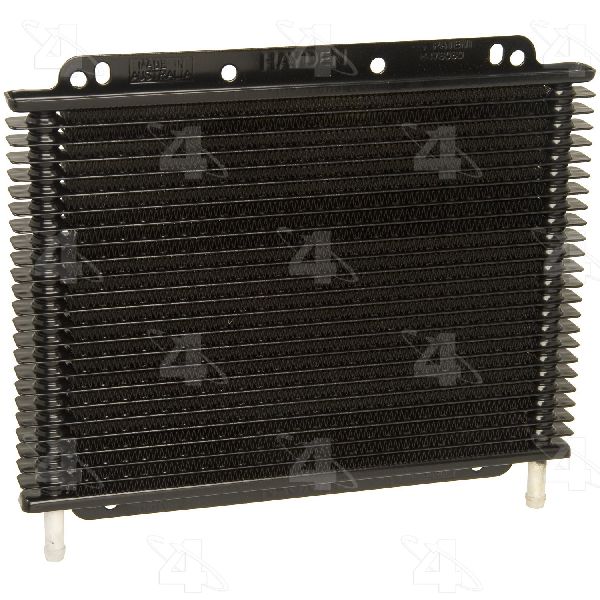
- Plate and Fin: This design is generally more efficient and durable, offering better cooling in a compact size. For a van that tows or carries heavy loads, a plate and fin cooler is a smart upgrade.
Here's a look at the available brands:
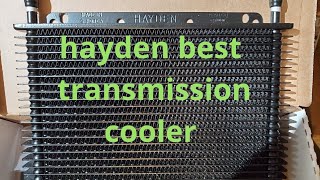
- Hayden: A well-known and respected brand in transmission cooling. They often produce high-quality plate and fin coolers that are considered a solid upgrade over stock for heavy-duty use. 🎬 Watch a review of Hayden coolers for heavy-duty performance.
- Dorman: Known for providing direct-fit replacements that are widely available. Quality can be a mixed bag for some parts, but they are a popular choice for their convenience and direct-fit designs.
- CSF Radiator: Specializes in cooling systems, including radiators and coolers. They are generally considered a reliable OEM-equivalent option.
- Four Seasons & Global Parts: These brands offer a range of cooling and A/C components, typically providing reliable, budget-friendly options that meet factory specifications.
Pro Tip: Upgrade for Heavy Use
If you frequently tow or carry heavy loads with your E-250, consider installing a larger plate and fin style cooler. Some owners adapt larger coolers from other Ford trucks, like the 6.0L Powerstroke, for maximum cooling performance. This can significantly extend the life of your transmission.
Cost to Replace the Transmission Oil Cooler
The cost can vary depending on whether you do it yourself or hire a professional. The cooler itself is affordable, but labor will add to the total cost.
| Part/Service | Estimated Cost |
|---|---|
| New Aftermarket Cooler | $58 - $160 |
| New OEM Cooler | $301 - $328 |
| Shop Labor | $110 - $161 |
| Total Professional Replacement | $410 - $489 |
Frequently Asked Questions
Should I replace the cooler lines at the same time?
Yes, it is highly recommended. The rubber sections of the lines degrade over time and can become brittle and leak. Since you'll be working in the same area, replacing the lines is a smart preventive measure.
Is replacing the transmission cooler a DIY job?
For someone with basic mechanical skills and tools, this is a manageable DIY project. It involves draining some fluid, disconnecting lines, and unbolting the old cooler. The difficulty is low to moderate, typically taking 1.5 to 2.5 hours.
Were there any recalls for the E-250 transmission cooler?
There were no specific recalls found for the 2003-2014 Ford E-250 transmission oil cooler itself. However, recalls for other Ford models have been issued for improperly routed cooler lines that could leak and create a fire risk, highlighting the importance of correct installation.
What type of transmission fluid should I use to top it off?
Always check your owner's manual for the specific transmission fluid type required for your E-250's year and transmission model. Using the correct fluid is critical for proper transmission function.
Helpful Videos
Technical Specifications
OEM Part Numbers: 6C2Z8005BA 9C2Z8005A F7UH8005RE F7UZ8005RA YC2Z8005FA
The primary specification is the type of cooler (tube and fin vs. plate and fin) and its physical dimensions for fitment. Plate and fin designs are generally more efficient.
We Have This Part in Stock


The information in this article is provided for general reference and educational purposes only. Vehicle specifications, procedures, and part compatibility can vary by production date, trim level, and region. Always consult your vehicle's factory service manual and verify part numbers before purchasing or performing repairs. Safety-critical components such as airbags, seat belts, and braking systems should be installed by a qualified professional.
- Ford E-250: