

Ford E-250 Camshaft Position Sensor Guide (2003-2014)
Fix stalling, rough idle, and starting problems in your 2003-2014 Ford E-250 van.
- A failing camshaft sensor can cause your E-250 to stall, run rough, or not start at all.
- For critical sensors, using an OEM (Motorcraft) or a premium aftermarket brand (Delphi, NGK) is highly recommended over cheaper alternatives for reliability.
- This is a simple, low-cost DIY repair that usually requires only basic tools and about 30 minutes.
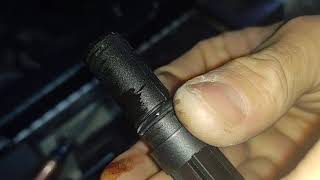
- Always check the wiring and connector for damage or oil contamination before replacing the sensor itself.
Symptoms of a Failing Camshaft Position Sensor
A bad camshaft position sensor in your E-250 will almost always turn on the Check Engine Light. Besides the light, you might notice one or more of these issues:
- Hard Starting or No Start: The engine cranks but struggles to fire up, or won't start at all.
- Engine Stalling: The engine may suddenly shut off while idling at a stoplight or even while driving.
- Rough Idle and Misfires: Your van may shake or shudder when stopped, and the engine can run unevenly.
- Poor Acceleration and Power Loss: You'll feel a lack of power, hesitation when you press the gas, and poor overall performance.
- Reduced Fuel Economy: Because the engine isn't running efficiently, you may find yourself filling up the gas tank more often.
Check Engine Light Codes
The most common trouble codes for this issue are P0340 (Camshaft Position Sensor 'A' Circuit - Bank 1) and P0345 (Camshaft Position Sensor 'A' Circuit - Bank 2). Bank 1 is the side of the engine with cylinder #1 (the passenger side on Ford V8s), and Bank 2 is the driver's side. These codes mean the computer has detected a problem in the sensor's circuit, which could be the sensor, the wiring, or the connector.
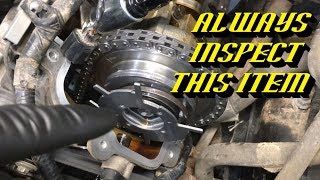
🎬 Watch: Essential inspection steps for P0340 and P0345 codes.Choosing the Right Aftermarket Sensor for Your E-250
When it comes to critical engine sensors, not all brands are created equal. For Ford trucks and vans, many mechanics and experienced owners strongly recommend using the original factory part (Motorcraft) to ensure reliability. However, if you're choosing an aftermarket part, it's helpful to understand the quality differences.
Brand Quality Tiers
- OEM (Original Equipment Manufacturer): This is the Motorcraft part sold by Ford. It's the benchmark for quality and fit but is also the most expensive option.
- Premium Aftermarket Brands (e.g., Delphi, NGK, Standard Ignition, Hitachi): These companies are often suppliers to automakers and have a strong reputation for quality. They are a reliable choice if you want to save money over the OEM part without sacrificing much, if any, quality.
- Value Aftermarket Brands (e.g., Dorman, URO Parts, True Tech): These are the most affordable options. While tempting, be aware that some of these brands have mixed reviews for electronic sensors. Some owners report early failures, leading to replacing the part again. While Dorman sometimes offers innovative solutions, their reputation for sensor longevity is inconsistent among Ford owners.
Pro Tip: Before replacing the sensor, always inspect the wiring and connector for damage, corrosion, or oil contamination. Sometimes a simple wiring repair is all that's needed.
Estimated Replacement Costs
| Part Type | Estimated Cost |
|---|---|
| New Aftermarket | $14 - $80 |
| New OEM (Motorcraft) | $90 - $150 |
| Shop Labor | $80 - $150 |
| Total Professional Job | $170 - $300 |
Frequently Asked Questions (FAQ)
Where are the camshaft position sensors located on my E-250?
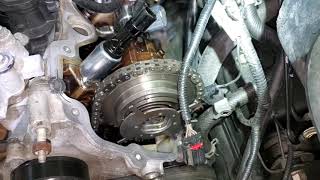
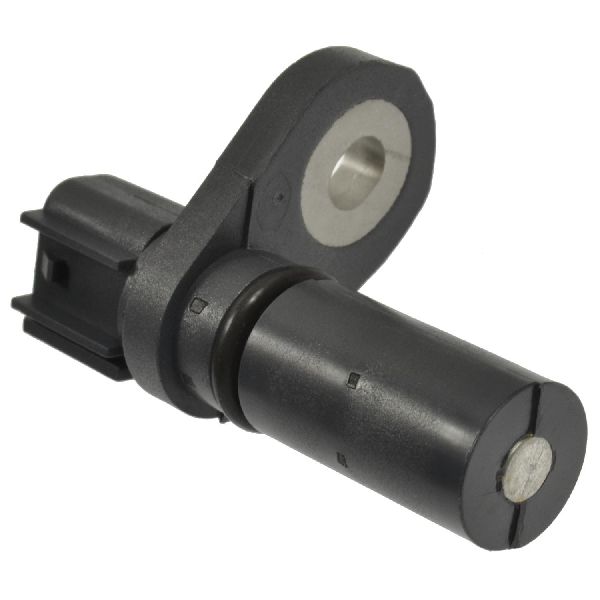
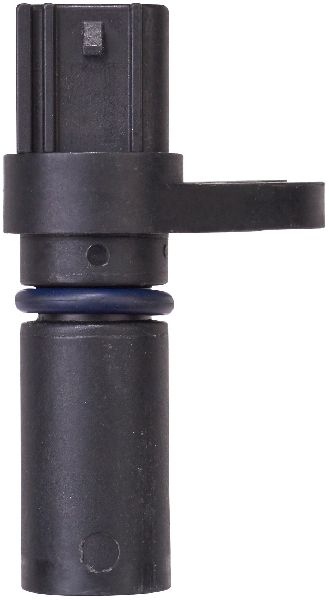
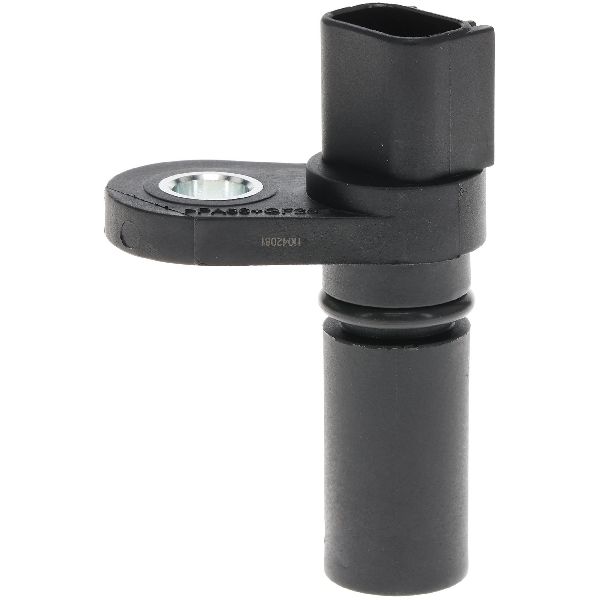
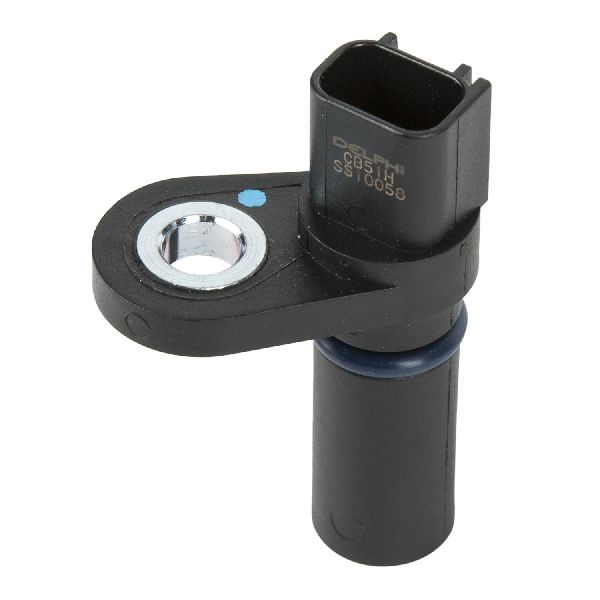
On the common 4.6L and 5.4L V8 engines, there are two sensors. They are typically located on the front of the engine, mounted to the cylinder heads or valve covers, near the top of the engine. They are small, black plastic sensors held in by a single bolt with an electrical connector attached.
My van has a V8. Do I need to replace both sensors at the same time?
It's not strictly necessary. The trouble code (P0340 for Bank 1 or P0345 for Bank 2) will tell you which sensor has failed. However, since both sensors are the same age and have been exposed to the same conditions, it's common for the second one to fail soon after the first. Many owners choose to replace both at the same time to save future trouble, especially since it's a relatively inexpensive part.
Are there any recalls or TSBs for this part on my van?
There was a recall (07S57) for the camshaft position sensor on 1997-2003 Ford E-Series vans with the 7.3L Power Stroke diesel engine due to a stalling risk. There are no widespread recalls for the gas engine sensors in the 2003-2014 range. An early Technical Service Bulletin (TSB 02-22-1) from 2002 addressed issues with incorrect installation of the synchronizer assembly on some Ford engines, which could trigger a P0340 code.
Can I really replace this sensor myself?
Yes, this is a very DIY-friendly job for most people. The sensors are usually easy to access on the front of the engine. The replacement only requires basic hand tools (typically a small socket wrench), and the process involves removing one bolt and one electrical plug. The entire job can often be done in under 30 minutes.
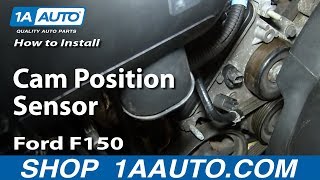
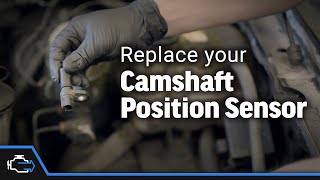
🎬 Watch: A step-by-step guide to replacing the 5.4L sensor.Helpful Videos
Technical Specifications
OEM Part Numbers: 1W7Z-6B288-AB 7L3Z-6B288-A F1AZ-6B288-A XC3Z-6B288-AA
The Ford E-250 with a V8 engine (4.6L or 5.4L) uses two camshaft position sensors, one for each cylinder bank. They are Hall-effect sensors that read the rotation of the camshaft to provide position data to the PCM. The part is a direct-fit, single-bolt installation with a 3-pin electrical connector.
We Have This Part in Stock


The information in this article is provided for general reference and educational purposes only. Vehicle specifications, procedures, and part compatibility can vary by production date, trim level, and region. Always consult your vehicle's factory service manual and verify part numbers before purchasing or performing repairs. Safety-critical components such as airbags, seat belts, and braking systems should be installed by a qualified professional.
- Ford E-250: