

Ford E-250 Engine Temperature Sensor Guide for 2003-2014 Models
This guide explains the critical role of the temperature sensor in your van's engine and how to choose the right replacement.
- Your E-250 likely has a Cylinder Head Temperature (CHT) sensor, not a traditional coolant sensor.
- A bad sensor will hurt your fuel economy and can lead to serious engine problems if ignored.
- The sensor is located under the intake manifold and is difficult to access, often requiring alternator removal.
- Given the difficult labor, choosing a quality OEM (Motorcraft) or premium aftermarket brand is recommended to avoid repeat repairs.
Is it an ECT or CHT Sensor?

A common point of confusion for the 2003-2014 Ford E-250 is whether it uses an Engine Coolant Temperature (ECT) sensor or a Cylinder Head Temperature (CHT) sensor. While they serve the same purpose, the CHT sensor is more common on these modular Ford engines. It measures the temperature of the cylinder head metal directly, rather than being submerged in coolant. This design allows the PCM to get a temperature reading even if there's a sudden loss of coolant. For the purpose of this guide, the symptoms and replacement considerations are very similar.
Symptoms of a Failing Temperature Sensor

When the temperature sensor fails, it sends incorrect information to the engine computer, which can cause a variety of problems. You might not just get an incorrect reading on your dashboard gauge; a bad sensor can impact how your engine runs.
- Check Engine Light: This is often the first sign. The computer will log fault codes like P0117 (circuit low input) or P0118 (circuit high input). 🎬 Watch: How to test a sensor for these fault codes.
- Poor Fuel Economy: If the sensor wrongly tells the computer the engine is cold, the computer will enrich the fuel mixture, wasting gas.
- Black Smoke from Exhaust: A very rich fuel mixture can result in unburned fuel exiting through the exhaust, creating black smoke.
- Engine Overheating: If the sensor fails to report that the engine is getting hot, the cooling fans may not turn on when needed.
- Rough Idle or Hesitation: The wrong fuel and timing adjustments can cause the engine to run poorly, especially when idling.
Choosing the Right Aftermarket Sensor
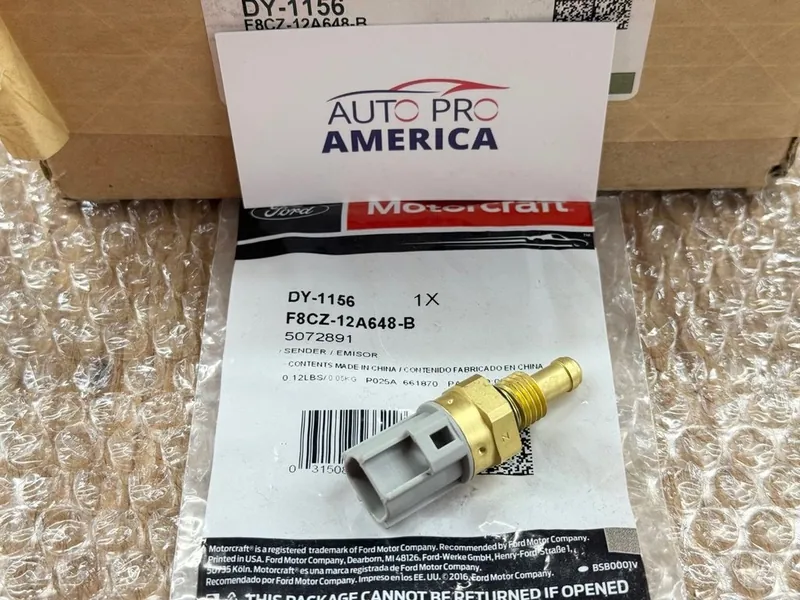
For a critical sensor like this, part quality matters. While OEM Motorcraft is always a safe choice, high-quality aftermarket brands offer a reliable repair at a lower cost. Some forum users report issues with budget brands, requiring multiple replacements before switching to an OEM or premium aftermarket part.
- Premium Aftermarket (Recommended): Brands like Delphi, NGK, and Standard Ignition (SMP) have a strong reputation for producing reliable sensors. They are often original equipment suppliers for many car manufacturers and are a dependable alternative to the dealer part.
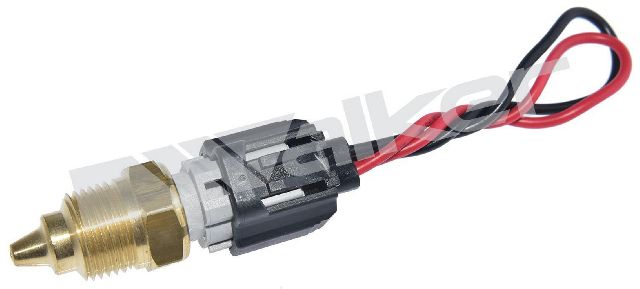
- Standard Aftermarket: Brands like Four Seasons, Walker Products, and Holstein offer a balance of value and quality. They are a good option for budget-conscious repairs, but may not have the same long-term durability as premium brands.
- Economy Brands: Lesser-known or private-label brands offer the lowest price. However, for a sensor that is difficult to access on the E-250, the potential labor cost of replacing a failed cheap part a second time can outweigh the initial savings.
Cost Comparison: 2003-2014 Ford E-250 Temperature Sensor
| Part Type | Estimated Cost |
|---|---|
| New Aftermarket | $12.13 - $56.45 |
| New OEM (Motorcraft) | $24.00 - $35.00 |
| Shop Labor | $120.00 - $180.00 |
Frequently Asked Questions (FAQ)

Where is the temperature sensor located on a 2003-2014 E-250?
The location depends on your engine. On both the V8 (4.6L, 5.4L) and V10 (6.8L) engines, the CHT sensor is typically located on the driver's side cylinder head, underneath the intake manifold. 🎬 Watch: DIY guide for replacing the sensor on V10 engines. Access is very tight, and replacing it often requires removing the alternator to reach the sensor.
Can I replace the temperature sensor myself?
Yes, this is a DIY-feasible job for someone with mechanical experience. However, be prepared for a tight workspace. You will likely need a deep socket or a stubby wrench (19mm in some cases) and may need to remove the alternator for access. 🎬 See this replacement walkthrough for the E-250 4.6L engine. Because you are working near the fuel system, it is important to follow all safety precautions.
What happens if I don't replace a bad sensor?
Ignoring a bad temperature sensor can lead to persistent poor fuel economy, failed emissions tests, and rough engine performance. In a worst-case scenario, it could lead to the engine overheating, which risks severe and expensive internal engine damage.
Does my van have two coolant sensors?
Some Ford vehicles have two separate units: a sensor that sends information to the engine computer and a sender that operates the gauge on the dashboard. The CHT/ECT sensor is the one that affects engine performance and triggers fault codes. If your gauge is inaccurate but the engine runs fine, you may have a problem with the sender or the gauge itself, not the main engine sensor.
Helpful Videos
Technical Specifications
OEM Part Numbers: 8L3Z-6G004-A F65Z-6G004-AB 3F1Z-12A648-A
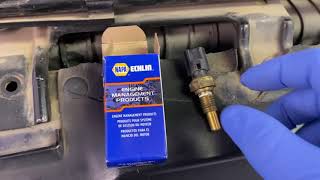
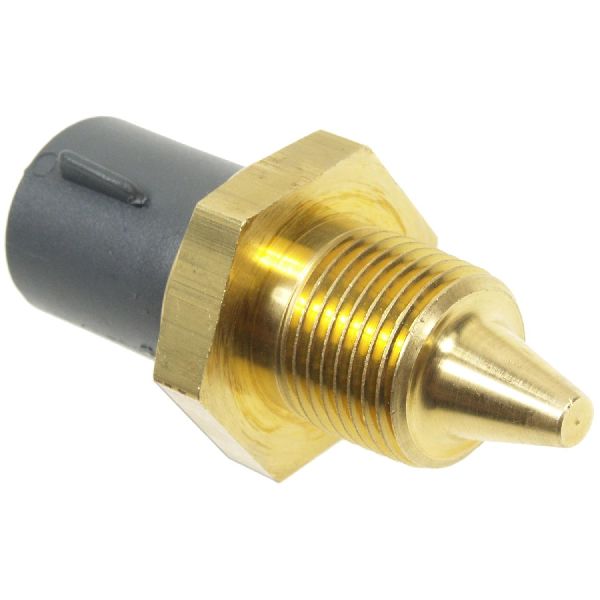
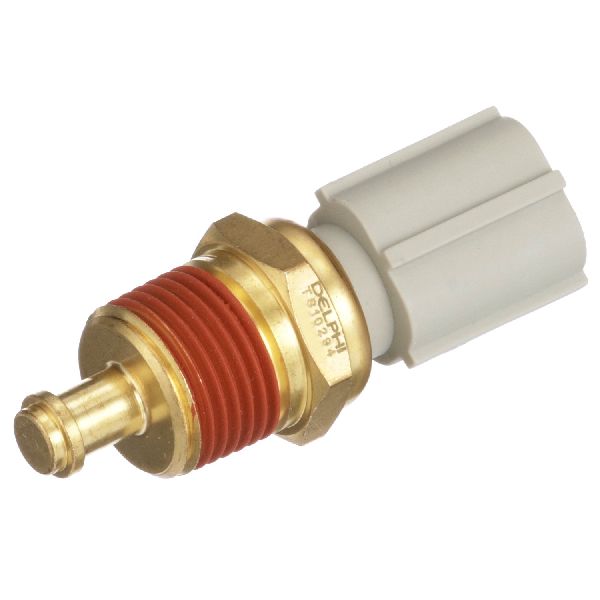
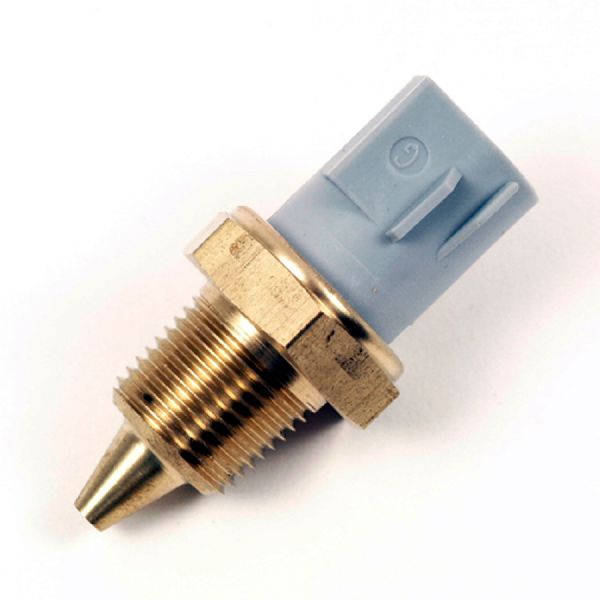
The primary sensor for these engines is a Cylinder Head Temperature (CHT) sensor, which is a thermistor that measures metal temperature. It is typically located on the driver's side cylinder head, under the intake manifold.
We Have This Part in Stock


The information in this article is provided for general reference and educational purposes only. Vehicle specifications, procedures, and part compatibility can vary by production date, trim level, and region. Always consult your vehicle's factory service manual and verify part numbers before purchasing or performing repairs. Safety-critical components such as airbags, seat belts, and braking systems should be installed by a qualified professional.
- Ford E-250: