

Ford E-250 (2003-2014) Engine Crankcase Breather Hose Replacement Guide
Address rough idling and check engine lights by inspecting this critical, easy-to-replace emissions hose on your Ford E-250.
- A cracked crankcase breather hose is a very common cause of a rough idle and Check Engine Light (codes P0171/P0174) on 2003-2014 Ford E-250s.
- This is an easy and inexpensive DIY repair that most owners can do in under 30 minutes with basic tools.
- While you're replacing the hose, it's a smart and cost-effective move to also replace the PCV valve at the same time.
- Quality aftermarket brands like Gates and Standard Ignition offer reliable, cost-effective alternatives to the OEM part.
Is Your E-250's Crankcase Breather Hose Failing?
If you own a 2003-2014 Ford E-250, especially one with the 4.6L or 5.4L V8 engine, the crankcase breather hose is a common part to fail over time. Constant exposure to engine heat and oil vapors causes the original rubber or plastic hose to become brittle and crack. When this happens, it creates a vacuum leak, which can cause a surprising number of engine problems that might seem more serious than they are.
Symptoms of a Bad Breather Hose
A cracked or clogged breather hose will usually cause one or more of these specific symptoms:
- Check Engine Light: A vacuum leak from a cracked hose is a very common reason for lean condition codes like P0171 and P0174.
- Rough or High Idle: The engine may run rough, stumble, or idle faster than normal because the vacuum leak is disrupting the proper air-fuel mixture.
- Hissing or Whistling Noise: You might hear a distinct sucking or hissing sound from the engine bay, especially when the van is idling. This is the sound of air being pulled through the crack in the hose.
- Oil Leaks or High Oil Consumption: If the hose is clogged, pressure can build up inside the engine. This pressure can push oil past gaskets and seals, causing new leaks or increasing how much oil your engine burns.
- Poor Performance: You might notice your van hesitates during acceleration or feels less powerful in general.
No Recalls, But a Common Problem
Searches of NHTSA data show no specific recalls or technical service bulletins (TSBs) for the crankcase breather hose on the 2003-2014 Ford E-250. However, owner forums for Ford trucks with similar engines confirm this is a very common failure point that causes vacuum leaks.
Choosing the Right Aftermarket Part
For a straightforward part like a hose, you don't need to insist on an expensive OEM part. Quality aftermarket brands provide reliable replacements that meet or exceed the original specifications. Since this hose must resist oil, fuel vapors, and engine vacuum, it's important to choose a part designed specifically for this purpose, not a generic hose.
- OEM (Motorcraft): The original part is a proven choice and guarantees a perfect fit. If the price is competitive with top aftermarket brands, it's a great option.
- Top-Tier Aftermarket (e.g., Gates): Gates is a well-known original equipment supplier for many automakers, specializing in hoses and belts. Their parts are engineered to be durable and resist oil and fuel vapors, making them an excellent choice.
- Reliable Aftermarket (e.g., Standard Ignition): Standard Ignition (SMP) is a trusted brand that produces a wide range of quality engine management parts. Their hoses are designed as direct-fit replacements and offer a dependable repair.
Pro Tip: While you are replacing the breather hose, it is highly recommended to also replace the PCV valve. The valve is inexpensive and can get clogged over time. Replacing both parts at the same time ensures the entire system is working correctly.
Cost of Replacing the Breather Hose (2003-2014 Ford E-250)
| Part/Service | Estimated Cost |
|---|---|
| New OEM Part (Motorcraft) | $55 - $95 |
| New Aftermarket Part (Gates, Standard Ignition) | $35 - $84 |
| Shop Labor | $50 - $100 |
| Total DIY Cost (Aftermarket Part) | $35 - $84 |
| Total Shop Cost (Aftermarket Part + Labor) | $85 - $184 |
Cost estimates are based on national averages and may vary by location and supplier. The provided inventory price range is $35.26 - $83.70.
Frequently Asked Questions
Can I replace the E-250 crankcase breather hose myself?
Yes, this is a great DIY job for beginners. The hose is usually located on top of the engine and is held in place with simple clips that can be removed with your hands or pliers. The entire job typically takes less than 30 minutes.
What do PCV, P0171, and P0174 mean?
PCV stands for Positive Crankcase Ventilation, which is the engine system this hose belongs to. P0171 and P0174 are diagnostic trouble codes that mean the engine's computer has detected a "too lean" air-fuel mixture in both engine banks, often caused by a vacuum leak from a part like this hose.
What happens if I don't replace a broken breather hose?
You can still drive the vehicle, but it's not recommended for long. Driving with a broken hose will cause persistent issues like a rough idle, poor fuel economy, and stalling. Over time, the incorrect air-fuel mixture could potentially damage more expensive components like your catalytic converters.
Is the breather hose the same for the 4.6L and 5.4L engines?
While the function is the same, the exact shape and part number can differ between engines and model years. It is very important to use your vehicle's year and engine size to confirm you are ordering the correct molded hose for a perfect fit.
Technical Specifications
OEM Part Numbers: 4C2Z-6758-BA 6C2Z-6758-A 1L3Z-6758-BA 2C2Z-6758-AA KCV-141
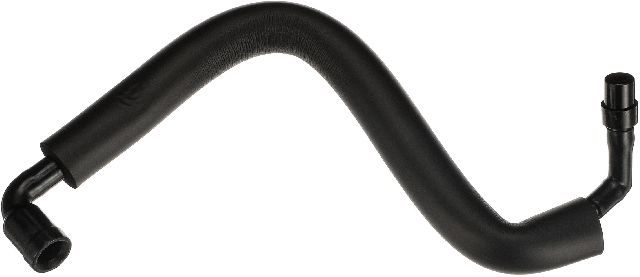
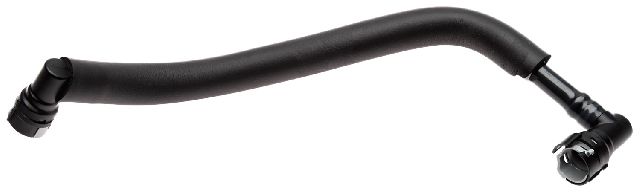
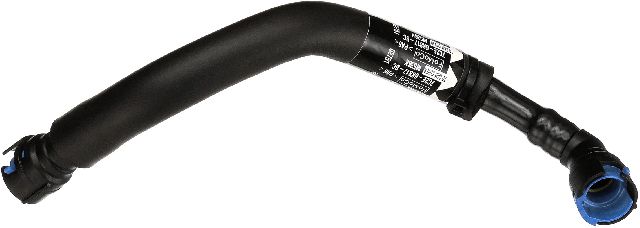
The hose is typically a molded rubber or plastic tube designed to connect the PCV valve on the valve cover to a port on the intake manifold. It must be resistant to oil, fuel vapors, and engine vacuum to prevent collapsing.
We Have This Part in Stock


The information in this article is provided for general reference and educational purposes only. Vehicle specifications, procedures, and part compatibility can vary by production date, trim level, and region. Always consult your vehicle's factory service manual and verify part numbers before purchasing or performing repairs. Safety-critical components such as airbags, seat belts, and braking systems should be installed by a qualified professional.
- Ford E-250: