

Ford E-250 Hazard and Turn Signal Flasher Guide (2003-2014)
If your turn signals are acting up, the flasher relay is the most likely cause—and it's an easy fix.
- A bad flasher is the most common cause for turn signal failure on the E-250, affecting both signals and hazards.
- The flasher is located under the driver's side dash and is a simple plug-and-play part, making it an easy DIY fix.
- Always check for burnt-out bulbs before replacing the flasher, as this is the primary cause of hyperflashing.
- If you upgrade to LED bulbs, you must install an LED-compatible electronic flasher to prevent issues.
Is Your Ford E-250 Flasher Failing?
When the turn signal flasher in your E-250 van starts to go bad, it will give you clear signs. Because this part controls both the turn signals and the hazard lights, problems will usually affect both systems. Ignoring these symptoms is a safety risk, as other drivers won't know when you are turning or stopped for an emergency.
Common Symptoms of a Bad Flasher:
- Signals Don't Work at All: The most common sign is when your turn signals and hazard lights completely stop working. You won't hear the clicking sound or see the lights flash.
- Signals Stay On (Don't Blink): If the lights turn on but stay solid instead of flashing, the relay is likely stuck internally.
- Signals Blink Too Fast (Hyperflash): This is often your van's way of telling you a turn signal bulb has burned out. However, it also happens if you've installed LED bulbs without using a special LED-compatible flasher relay.
- Intermittent Problems: The signals might work one minute and stop the next, which can point to a failing relay.
Pro Tip: Check Your Bulbs First! Before you replace the flasher, turn on your hazard lights and walk around the van. If you find a bulb that isn't lit, replacing that burnt-out bulb will likely fix your hyperflash issue.
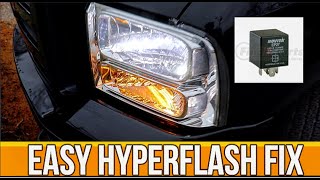
🎬 See how to quickly fix hyperflash issues on your van.Locating and Replacing the Flasher
On most 2003-2014 Ford E-250 vans, the flasher is a small, cube-shaped relay plugged into the fuse panel area. The replacement is a simple DIY job that usually takes less than 30 minutes.
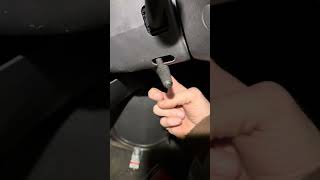
🎬 Watch this step-by-step guide on replacing the flasher relay.- Find It: The flasher is located under the driver's side dashboard, to the left of the steering column. You may need to remove a plastic trim panel to see it.
- Listen for It: The easiest way to pinpoint the flasher is to turn on your hazard lights (if they still make noise) and follow the clicking sound.
- Swap It: Once located, simply unplug the old flasher and plug the new one in. There are no special tools required.
Important Note for 2009+ Models: Some later model E-250s (around 2009-2014) may have the flasher function integrated into the Smart Junction Box (SJB) or Body Control Module (BCM). In these vans, there is no separate, replaceable flasher relay. If your signals are failing on a later model, the issue is more complex and may require professional diagnosis.
Choosing the Right Aftermarket Flasher
For a vehicle like the 2003-2014 E-250, a quality aftermarket flasher is a reliable and cost-effective choice. The original Motorcraft parts perform well, but well-known aftermarket brands offer similar durability for less money.
Standard Ignition (Standard Motor Products): This is a reputable aftermarket brand known for producing quality electrical components that meet or exceed original specifications. A Standard Ignition flasher is a dependable option for your E-250 and should provide a long service life.
| Part Type | Estimated Cost |
|---|---|
| New OEM (Motorcraft) | $40 - $70 |
| New Aftermarket (Standard Ignition) | $25 - $35 |
| Shop Labor | $50 - $100 |
Frequently Asked Questions
Why are my turn signals blinking fast after I installed a new flasher?
This usually happens for one of two reasons. First, you may still have a burnt-out bulb somewhere on the vehicle. Second, if you have installed LED turn signal bulbs, you must use an electronic flasher specifically designed for LEDs. A standard flasher will hyperflash with low-draw LED bulbs.
I replaced the flasher and the bulbs, but my signals still don't work. What's next?
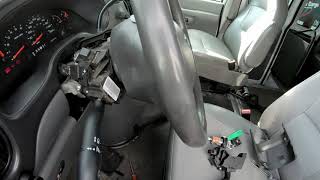
If a new flasher and good bulbs don't solve the problem, the next most likely culprit is the multifunction switch (the turn signal stalk on your steering column). 🎬 Watch: How to replace a faulty Ford multifunction switch. The contacts inside the switch can wear out over time. You should also check the turn signal fuse in the fuse panel.
Are the hazard flasher and turn signal flasher the same part?
Yes, on the Ford E-250, a single flasher relay controls both the turn signals and the hazard lights. A failure in this one part will affect both systems.
Are there any recalls for the turn signal flasher on my E-250?
No, searches of the National Highway Traffic Safety Administration (NHTSA) database show no specific recalls or widespread technical service bulletins (TSBs) for a failing flasher relay on the 2003-2014 Ford E-250. Failures are typically due to normal age and use.
Helpful Videos

Technical Specifications
Typically a 3-pin or 5-pin electronic relay. Pin configuration must match the original part. An LED-compatible version is required for LED bulb upgrades.
We Have This Part in Stock


The information in this article is provided for general reference and educational purposes only. Vehicle specifications, procedures, and part compatibility can vary by production date, trim level, and region. Always consult your vehicle's factory service manual and verify part numbers before purchasing or performing repairs. Safety-critical components such as airbags, seat belts, and braking systems should be installed by a qualified professional.
- Ford E-250: