

Ford E-250 Oxygen Sensor Guide: 2003-2014
Fix your check engine light and poor gas mileage by choosing the right oxygen sensor for your Ford E-250 van.
- Your E-250 likely has four O2 sensors; confirm the exact location (e.g., Bank 1 Sensor 1) before buying.
- Stick with high-quality aftermarket brands like Bosch, Denso, or NGK/NTK for reliability and to avoid repeat repairs.
- Symptoms of failure include the check engine light, bad gas mileage, and rough running.
- No specific recalls for oxygen sensors were found for 2003-2014 gas models.
Is Your E-250 Oxygen Sensor Failing?

A failing oxygen sensor can cause several noticeable problems in your van. Because these sensors directly impact the air/fuel mixture, symptoms often relate to engine performance and fuel consumption. Ignoring a bad O2 sensor can lead to reduced gas mileage and potentially damage your catalytic converter over time, which is a much more expensive repair.
Common Ordering Mistakes
The most common mistake is ordering the wrong sensor. Your E-250 likely has four oxygen sensors: two upstream (before the catalytic converter) and two downstream (after the catalytic converter). V8 engines have a left bank (Bank 2) and a right bank (Bank 1). A code like "Bank 1, Sensor 1" refers to the upstream sensor on the passenger side. Always verify the specific location of the failed sensor before ordering a replacement.
Choosing the Right Aftermarket Oxygen Sensor

When it comes to electronic sensors, quality matters. While saving money is important, a cheap, low-quality sensor can provide inaccurate readings, causing persistent performance issues and check engine lights. For a workhorse vehicle like the E-250, reliability is key.
Brand Quality Tiers for the Ford E-250
Based on owner feedback and mechanic recommendations, aftermarket brands for your Ford van can be grouped into the following tiers:
- Top Tier (OEM Quality): These brands are often the original equipment manufacturers for Ford and other automakers. They are trusted to provide accurate performance and long life, making them a safe bet.
- Bosch: Frequently cited as an OEM supplier for Ford, Bosch sensors are a highly recommended replacement. They are known for quality and performance that meets or exceeds factory specifications.
- Denso: As a massive global OE supplier, Denso's aftermarket sensors are built to match original specs and are a reliable choice.
- NGK (NTK): NTK is the sensor division of NGK. They are a primary OEM supplier for many manufacturers and are known for their high-quality, dependable sensors.
- Mid-Tier (Reputable Aftermarket): These brands are established in the aftermarket and can offer a good balance of price and quality.
- Walker Products: A well-known aftermarket exhaust parts company. Some forum discussions suggest they may use components from top-tier brands like Denso.
- Spectra: Offers a wide range of aftermarket parts, including sensors.
- Economy Tier (Use with Caution): While very affordable, the performance and longevity of these brands can be inconsistent. They may solve a code in the short term but could fail prematurely.
- DriveWire, Vemo, and other low-cost online brands: It's generally recommended to avoid the cheapest options, as they can lead to more diagnostic work and replacement costs down the road.
Pro Tip: For critical engine sensors like an O2 sensor, spending a little more on a Top Tier brand like Bosch, Denso, or NGK/NTK is a wise investment. It can save you from the frustration of a recurring check engine light and ensure your E-250's engine runs as it should.
Known Issues, Recalls, or TSBs
Searches of the National Highway Traffic Safety Administration (NHTSA) database and other technical resources did not reveal any specific recalls or Technical Service Bulletins (TSBs) for oxygen sensor failures on the 2003-2014 Ford E-250 with gasoline engines. Any failures are typically due to age, mileage, or contamination.
| Part Type | Estimated Cost |
|---|---|
| New OEM (Motorcraft) | $75 - $150 |
| New Aftermarket | $40 - $120 |
| Shop Labor | $100 - $200 |
Frequently Asked Questions (FAQ)

How many O2 sensors does my 2003-2014 E-250 have?
If your van has a V8 engine (like the 4.6L or 5.4L), it most likely has four O2 sensors. There is one upstream and one downstream sensor for each bank of cylinders. Some owners have reported confusion, but the standard configuration is four sensors.
Should I replace all the O2 sensors at once?
It is not strictly necessary, but it can be a good preventative measure, especially on a high-mileage vehicle. O2 sensors age and degrade over time, becoming "lazy" before they fail completely. If one has failed due to age, the others are likely not far behind. Replacing them in sets (e.g., both upstream sensors) can ensure balanced engine performance.
What's the difference between an upstream and downstream sensor?
The upstream sensor (Sensor 1) is for engine control. It sits before the catalytic converter and helps the computer fine-tune the air/fuel ratio. The downstream sensor (Sensor 2) is for diagnostics. It sits after the catalytic converter and its only job is to check if the converter is working correctly. They are not interchangeable.
What tools do I need to replace an E-250 oxygen sensor?
You will need a specific tool called an oxygen sensor socket, which has a slot for the wire to pass through. The size is typically 7/8 inch (22mm). You may also need socket extensions and a ratchet. For the upstream sensors, you will need to remove the interior engine cover (the "dog house") to get access.
Helpful Videos
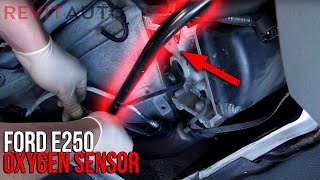
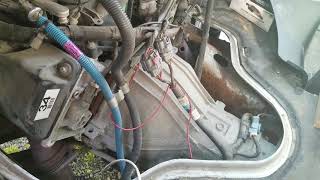
Technical Specifications
OEM Part Numbers: DY-1401
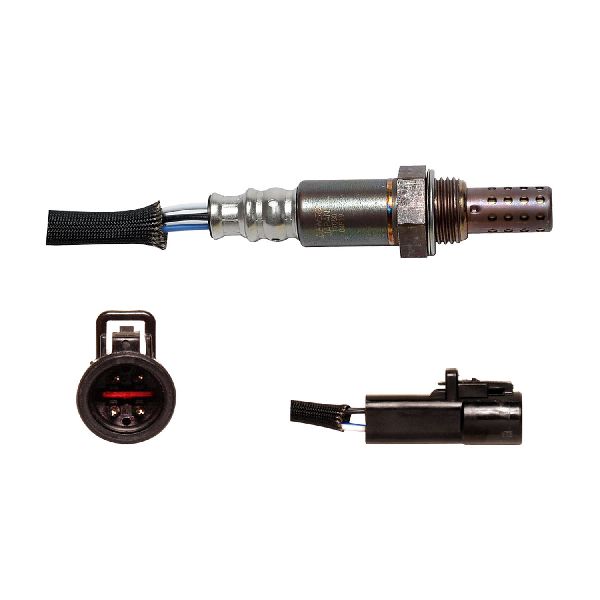
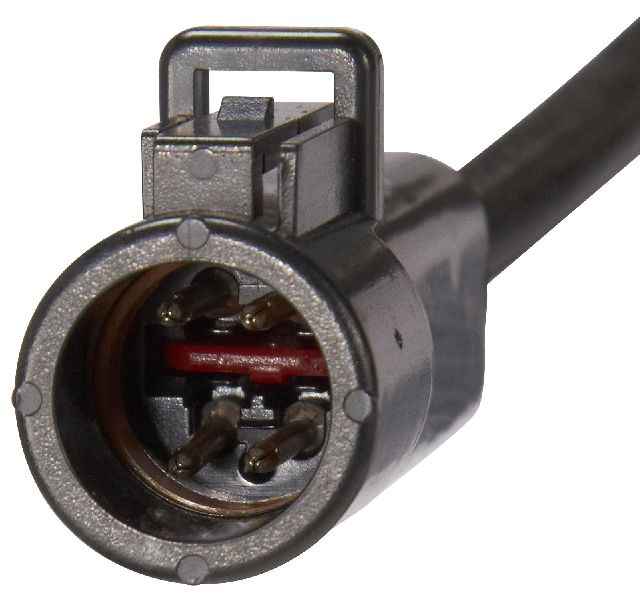
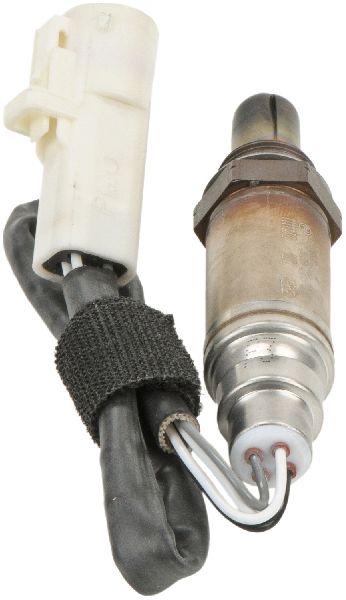
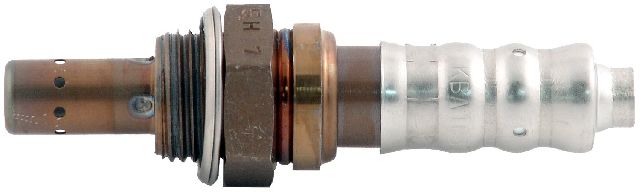
V8 models typically use four heated, 4-wire oxygen sensors. Upstream and downstream sensors have different wire lengths and connectors and are not interchangeable. Always match the part to the specific engine (4.6L or 5.4L) and sensor position.
We Have This Part in Stock

The information in this article is provided for general reference and educational purposes only. Vehicle specifications, procedures, and part compatibility can vary by production date, trim level, and region. Always consult your vehicle's factory service manual and verify part numbers before purchasing or performing repairs. Safety-critical components such as airbags, seat belts, and braking systems should be installed by a qualified professional.
- Ford E-250: