

Ford E-250 Starter Motor Guide for 2003-2014 Models
If your E-250 won't crank, this guide will help you understand the starter and choose the right replacement.
- Always test the battery and clean the cable connections before replacing the starter.
- A single click when turning the key is a classic symptom of a failed starter solenoid or motor.
- Accessing the top bolt can be the most difficult part of the replacement; a long extension and swivel socket are recommended.
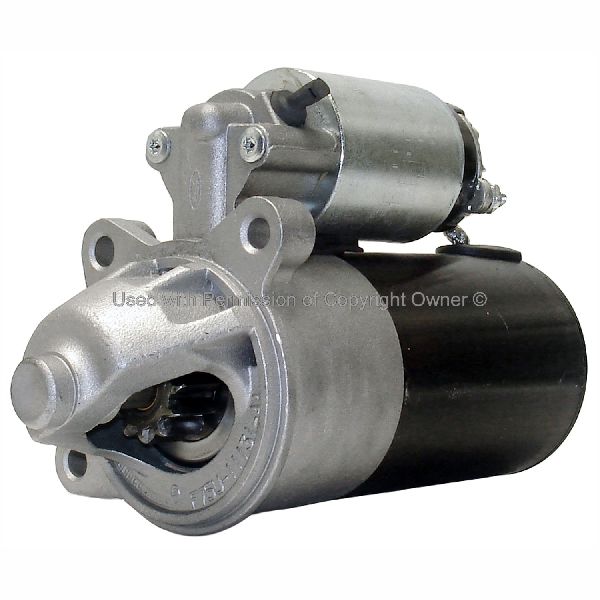
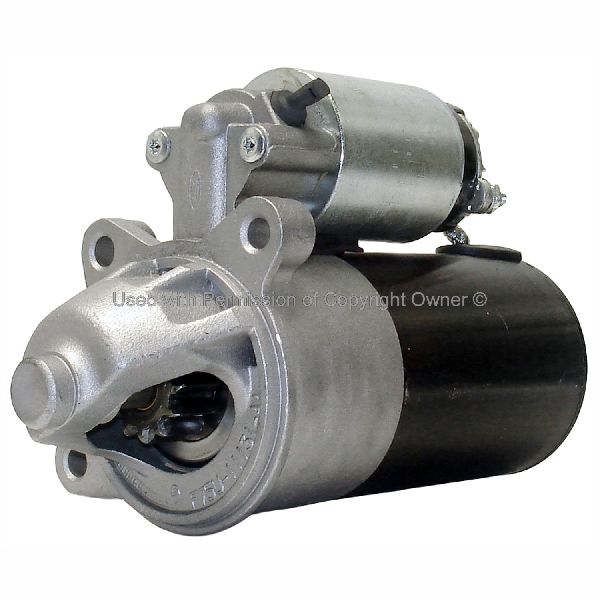
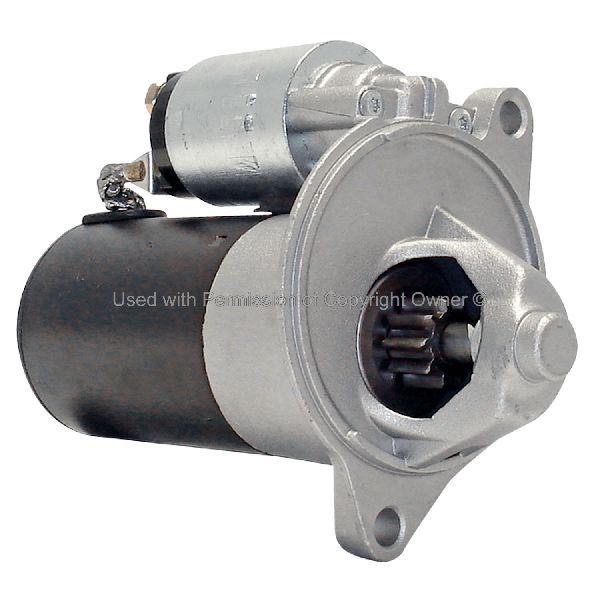
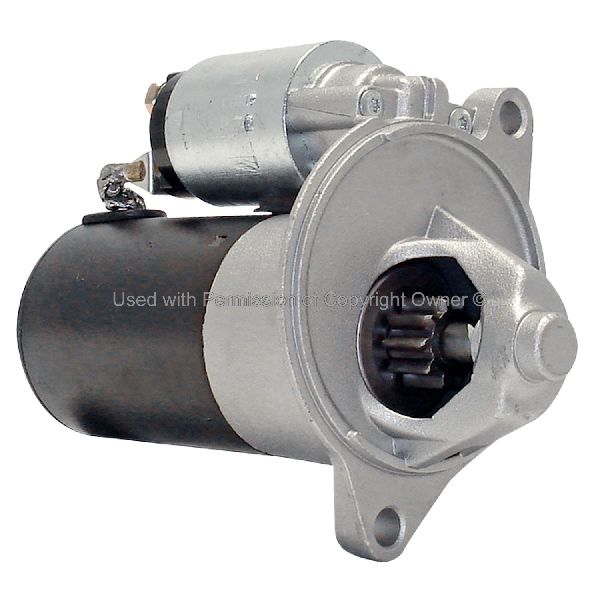
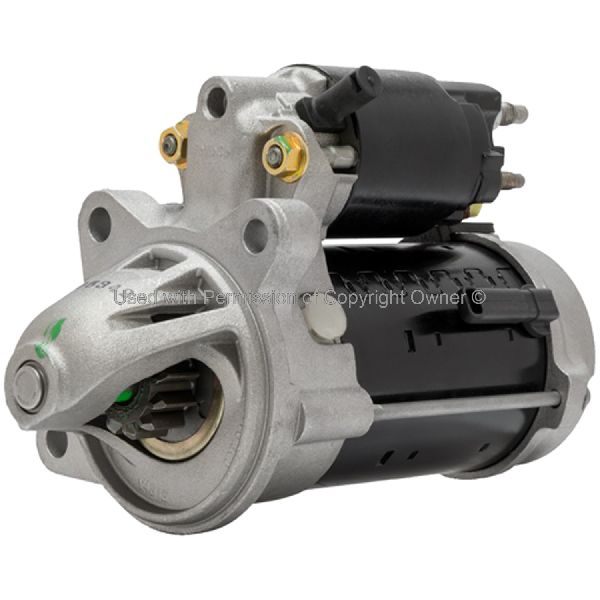
- For a work van, a new aftermarket starter from a brand like MPA or a heavy-duty unit from Powermaster offers the best mix of reliability and value.
Is Your E-250 Starter Failing?
A bad starter is one of the most common reasons a vehicle won't start. For a workhorse like the Ford E-250, being stranded is not an option. Before you blame the starter, always check that your battery is fully charged and the battery terminals are clean and tight. A weak battery or poor connection can mimic starter failure.
Common symptoms of a failing starter include:
- Single, loud click: You turn the key and hear one distinct "click" but the engine doesn't turn over. This often means the starter solenoid is engaging, but the motor itself isn't working.
- No sound at all: If the battery is good but you get silence when turning the key, the starter may have a dead spot or a complete electrical failure.
- Grinding noise: A harsh grinding sound during or after cranking can indicate a problem with the starter gear not meshing correctly with the engine's flywheel. This can cause serious damage if ignored.
- Slow or labored cranking: If the engine turns over much slower than usual, it could be a sign that the starter motor is wearing out and struggling to produce enough torque.
- Intermittent starting: The van starts fine one day but refuses to crank the next. This is a classic sign of a starter on its last legs.
Heat Can Be a Killer
The large engines in the E-250 generate a lot of heat in a tight space. This heat can damage the starter and its wiring over time, leading to a condition called "heat soak." This is when a hot starter refuses to work but may start again once it cools down. If you experience starting problems only when the engine is hot, this could be the cause.
Choosing a New Aftermarket Starter
For a vehicle in the 2003-2014 age range, a new aftermarket starter offers an excellent balance of quality and value compared to a more expensive OEM part from the dealer. Aftermarket brands often meet or exceed original specifications. The key is to choose a reputable brand.
- Standard Replacement (MPA): Motorcar Parts of America (MPA) is a major manufacturer of new and remanufactured starters sold under brands like Quality-Built. These are designed as direct, reliable replacements for the original factory starter and are a solid choice for daily driving and standard work use.
- Heavy-Duty/High-Torque (Powermaster): Powermaster specializes in high-performance and heavy-duty starters. A high-torque starter can be a smart upgrade for E-250 vans, especially those with high mileage, high-compression engines, or those that operate in extreme temperatures. They often provide faster cranking speeds and are built to withstand more abuse.
What About Remanufactured Starters?
Remanufactured starters are a budget-friendly option. They are rebuilt from an original starter core, with wear items like brushes and bushings replaced. While many are reliable, the quality can vary more than with a new unit. For a work vehicle where reliability is critical, a new aftermarket starter is often the safer investment.
Cost of Replacing a Ford E-250 Starter
Here is a general breakdown of what to expect for costs. Prices can vary based on your location and specific van configuration.
| Part Type | Estimated Cost |
|---|---|
| New Aftermarket Starter | $89 - $156 |
| OEM Starter (Dealer) | $219 - $279+ |
| Shop Labor | $73 - $107 |
| Total Professional Replacement | $292 - $387+ |
Frequently Asked Questions
Is it hard to replace the starter on a 2003-2014 E-250?
The job is moderately difficult. The starter is located on the passenger side of the engine. Access can be tight, especially for the top mounting bolt. You will need a good socket set with extensions and possibly a swivel joint. It is a feasible DIY job for someone with mechanical experience, but a beginner may find it challenging. Always disconnect the battery before starting.
Do I need to check for recalls or TSBs?
Our search of the NHTSA database found no specific safety recalls or Technical Service Bulletins (TSBs) for starter motor failure on the 2003-2014 Ford E-250. Problems are generally due to age and wear.
Is the starter solenoid included with the new starter?
Yes, for this generation of Ford E-250, the starter solenoid is attached to the starter motor itself. When you buy a new starter assembly, the solenoid is included as part of the unit.
Can a bad ignition switch cause a no-start problem?
Yes, a faulty ignition switch can prevent power from reaching the starter and mimic a bad starter. If you have already replaced the battery and starter and still have intermittent issues, the ignition switch or related wiring could be the culprit.
Technical Specifications
OEM Part Numbers: 3C24-11000-CA 6C2Z-11002-CARM F2CU-11000-AC DL3T-11000-AA
Voltage: 12V. Power: 1.4kW. Rotation: Clockwise. Number of Teeth: 10. Fits 4.6L V8, 5.4L V8, and 6.8L V10 engines for the specified year range.
We Have This Part in Stock

The information in this article is provided for general reference and educational purposes only. Vehicle specifications, procedures, and part compatibility can vary by production date, trim level, and region. Always consult your vehicle's factory service manual and verify part numbers before purchasing or performing repairs. Safety-critical components such as airbags, seat belts, and braking systems should be installed by a qualified professional.
- Ford E-250: