

Ford E-250 (2003-2014) Suspension Stabilizer Bar Bushing Kit Guide
Stop the clunking and tighten up your van's handling with the right stabilizer bar bushings.
- A clunking noise over bumps is the number one sign of a bad stabilizer bar bushing on an E-250.
- You MUST measure your sway bar's diameter before ordering parts to ensure a correct fit.
- Upgrading to polyurethane bushings from brands like Energy Suspension can offer better durability and handling for heavy-duty use.
- While DIY replacement is feasible, removing the old axle bushings can be difficult and may require special tools or an air hammer.
Is Your E-250 Making Noise Over Bumps?
If you're hearing a clunking, knocking, or rattling sound from the front suspension, especially when driving over bumps, your stabilizer bar bushings are a likely suspect. These noises happen because the worn-out rubber allows the heavy metal sway bar to move and hit against the frame or other suspension parts. Other signs include feeling like the steering is loose or that the van sways excessively when you turn. You might also notice that the van just doesn't feel as stable as it used to, particularly at highway speeds.
Don't Ignore the Noise
While you can technically drive with worn sway bar bushings, it's not recommended for long. Ignoring the problem can lead to reduced control, especially when carrying a heavy load, and may cause additional stress on other suspension components.
Choosing the Right Aftermarket Bushing Kit
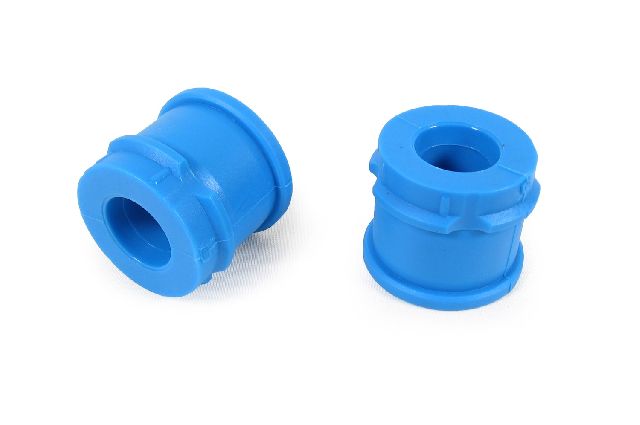
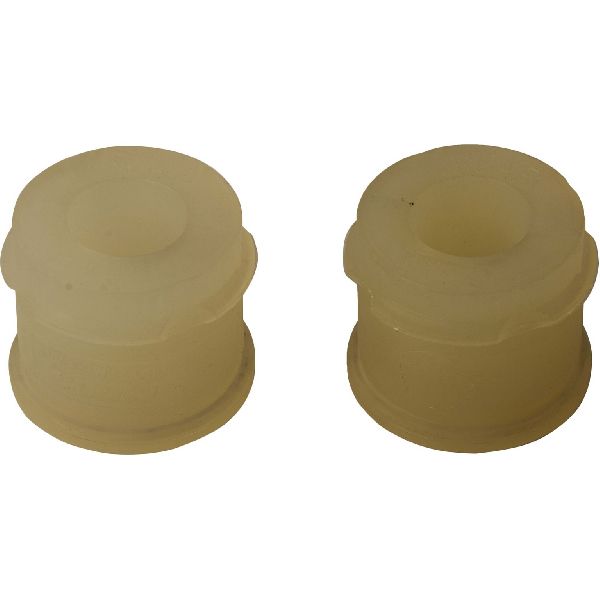
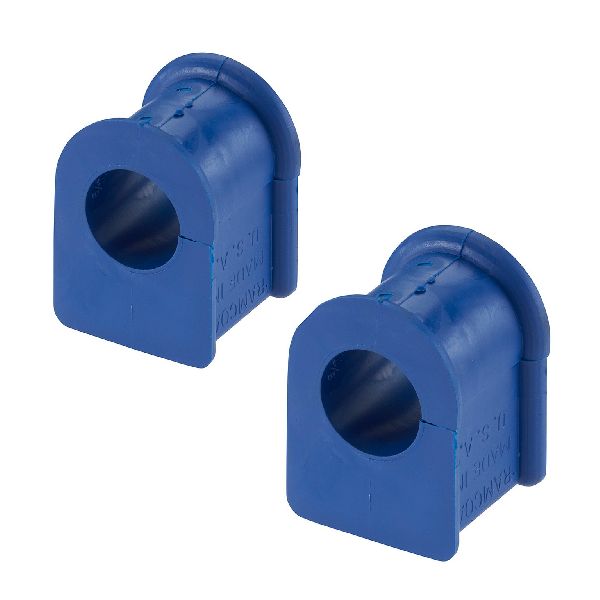
When shopping for new stabilizer bar bushings for your 2003-2014 E-250, you'll find several brands and two main material types: standard rubber and polyurethane. The original Ford bushings are rubber, but many aftermarket options use polyurethane for improved performance and durability.
Brand & Quality Tiers
- Performance (Polyurethane): Brands like Energy Suspension and Nolathane specialize in polyurethane bushings. These are much stiffer and more durable than rubber, offering a noticeable improvement in handling and responsiveness. They are an excellent choice for work vans that see heavy use. The downside is a slightly firmer ride and they must be installed with the supplied grease to prevent squeaking.
- Premium Replacement (Rubber/Poly): Brands like Moog, Delphi, and Mevotech are considered top-tier aftermarket choices. They often design parts to meet or exceed original equipment (OEM) specifications. Moog, in particular, is a well-regarded name in suspension parts and a popular choice for a reliable, long-lasting repair. These brands may offer both rubber and polyurethane options.
- Standard Replacement (Rubber): Brands like Dorman and QuickSteer offer a good balance of quality and value. They are a dependable choice for a daily-driven van under normal conditions and provide a cost-effective solution to fix worn-out bushings. Dorman often provides complete kits that include new brackets and hardware, which can be a convenient option if your original hardware is rusted or damaged.
Pro Tip: Measure Your Sway Bar!
Ford E-250 vans were equipped with different diameter sway bars over the years. Before ordering, it is critical to measure the diameter of your van's sway bar to ensure you purchase the correct size bushings. An incorrect size will not fit or function properly.
| Part/Service | Estimated Cost |
|---|---|
| New Aftermarket Bushing Kit | $10 - $60 |
| New OEM (Ford) Bushing Kit | $25 - $75 |
| Shop Labor for Installation | $80 - $120 |
| Total Professional Replacement | $112 - $171 |
Frequently Asked Questions
What's the difference between rubber and polyurethane bushings?
Rubber bushings, like the original ones on your van, provide a softer, quieter ride. Polyurethane bushings are much stiffer and more durable. They improve handling and last longer, especially under heavy loads, but can make the ride feel slightly firmer and may squeak if not lubricated properly during installation.
Is this a difficult job to do myself?
For a moderately skilled DIYer, replacing the stabilizer bar bushings is a manageable job. It typically involves unbolting the mounting brackets, removing the old bushings, and installing the new ones. The most challenging part can be dealing with rusted bolts or, on some E-250 models, pressing out the old metal sleeve from the I-beam axle. Basic hand tools, a floor jack, and jack stands are required.
Do I need to replace the frame bushings and the axle bushings?
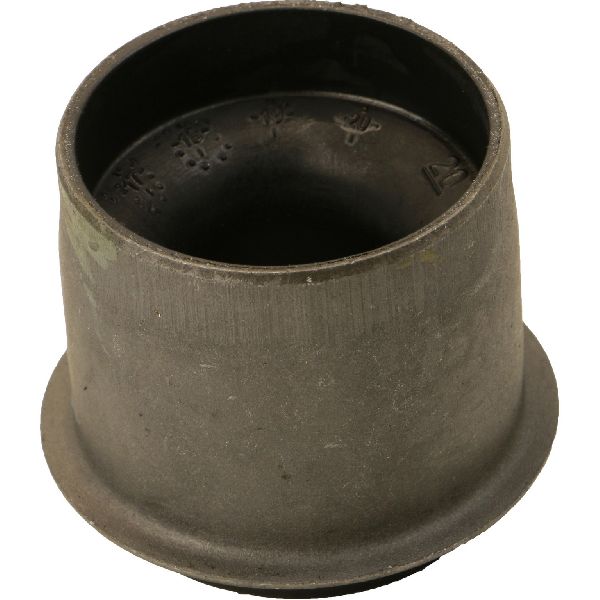
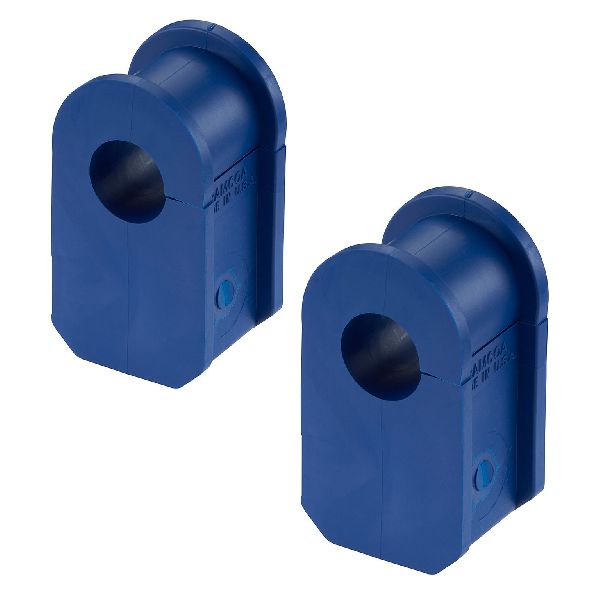
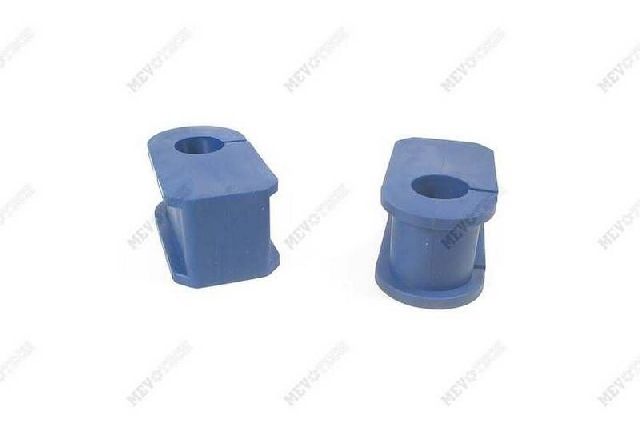
The E-250 has two types of stabilizer bar bushings: the frame mount bushings (often called D-brackets) and the bushings that press into the I-beam axle where the ends of the bar connect. It is highly recommended to inspect and replace all of them at the same time for the best results. Often, the clunking noise comes from the axle bushings, which can be more difficult to replace.
Do I need a wheel alignment after replacing the bushings?
No, a wheel alignment is generally not necessary after replacing only the stabilizer bar bushings. This repair does not affect the vehicle's alignment angles like caster, camber, or toe.
Technical Specifications
OEM Part Numbers: 8C2Z-5484-D F2UZ-5K486-A D8TZ-5493-A E9TZ-5493-C
Kit includes frame mount bushings and/or axle-to-I-beam bushings. Available in rubber or polyurethane. Sway bar diameter measurement is required for correct fitment.
We Have This Part in Stock

The information in this article is provided for general reference and educational purposes only. Vehicle specifications, procedures, and part compatibility can vary by production date, trim level, and region. Always consult your vehicle's factory service manual and verify part numbers before purchasing or performing repairs. Safety-critical components such as airbags, seat belts, and braking systems should be installed by a qualified professional.
- Ford E-250: