

Ford E-250 Throttle Position Sensor (2003-2014): A Mechanic's Guide to Replacement
Solve hesitation, stalling, and erratic shifting issues by choosing the right throttle position sensor for your van.
- Confirm if your E-250 has a separate TPS or an integrated Electronic Throttle Body (ETB), as this changes the repair and cost significantly.
- Hesitation, stalling, and erratic transmission shifting are classic symptoms of a failing TPS on these vans.
- For reliability, Motorcraft (OEM) is the safest bet, but quality aftermarket brands like Standard Ignition or Delphi are strong alternatives.
- After replacing the sensor, disconnect the battery for 15 minutes to reset the computer so it can learn the new part.
Is It a Bad Sensor or the Whole Throttle Body?
Before buying a part, it's important to know what your van has. The 2003-2014 Ford E-250 was built during a transition period for throttle systems.
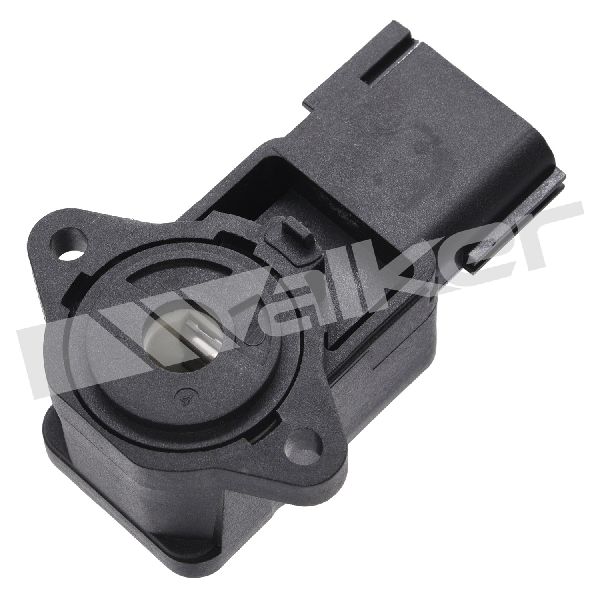
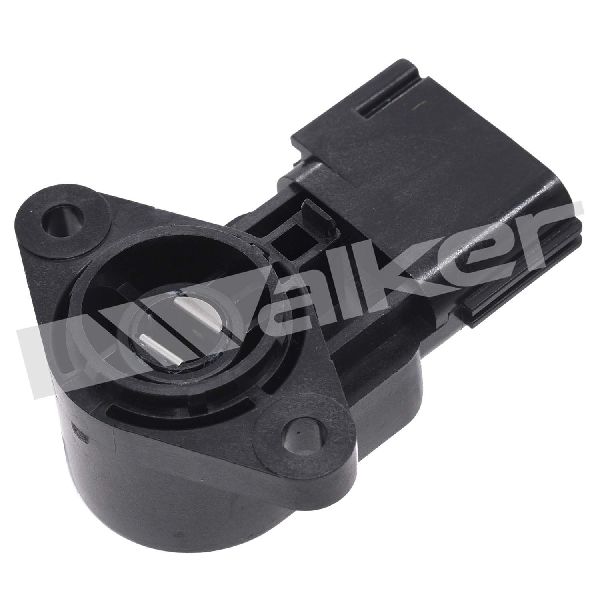
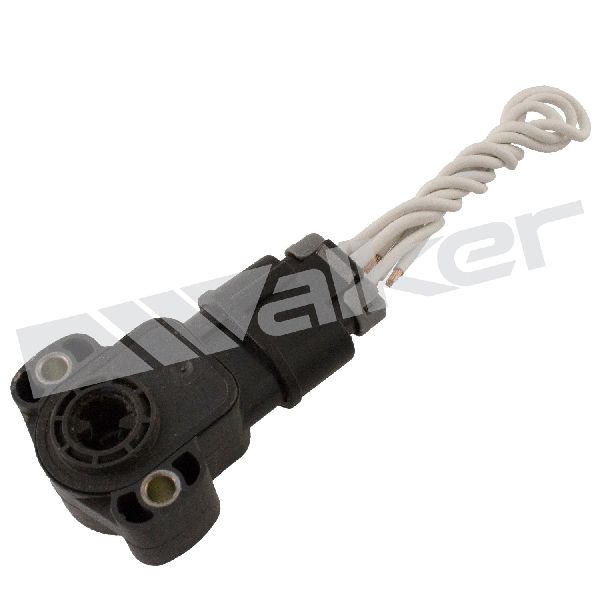
- 2003-2004 Models: These vans typically use a throttle cable connected to the gas pedal. The TPS is a separate, small, black plastic sensor bolted to the side of the metal throttle body. This part is inexpensive and easy to replace.
- 2005-2014 Models: Most of these vans use an Electronic Throttle Body (ETB), also called "drive-by-wire". On many of these, the TPS is integrated into the entire throttle body assembly and is not sold as a separate component. If the sensor fails, you must replace the whole ETB, which is more expensive and complex. Always visually inspect your throttle body to confirm if you have a separate, replaceable sensor before ordering.
Known Issues: TSB 10-21-6
Ford issued Technical Service Bulletin 10-21-6 for some 2010 E-Series vans with the 4.6L engine that experience fluctuating idle or set trouble codes P2111 and P2112. The official fix is to replace the entire electronic throttle body, not just a sensor. This highlights that problems in this area often point to the complete ETB assembly on later models.
Common Symptoms of a Failing TPS
A bad throttle position sensor can make your reliable E-250 feel unpredictable. Here are the most common signs:
- Hesitation or Stumbling: The van may hesitate or feel like it's losing power when you press the gas pedal.
- Poor or Rough Idle: The engine might idle too high, too low, or surge up and down on its own.
- Stalling: The engine may stall unexpectedly, either at idle or while driving.
- Bad Automatic Shifting: The transmission may shift harshly, at the wrong times, or seem to hunt for the right gear because it's getting incorrect engine load information.
- Sudden Surges in Speed: The van might unexpectedly accelerate without you pressing the pedal further.
- Check Engine Light: A failing TPS will often trigger the check engine light with codes like P0121, P0122, or P0123.
Choosing the Right Aftermarket TPS Brand
While many mechanics prefer OEM Ford parts for sensors, some aftermarket brands offer a good balance of quality and value. Here’s a breakdown of available brands, tiered by general reputation in the repair community.
Tier 1: OEM & Premium Aftermarket
These brands are known for meeting or exceeding original equipment standards. They are the most reliable choice for a critical sensor like the TPS.
- Motorcraft (OEM): The original part your van was built with. It's the benchmark for fit and function but is also the most expensive option.
- Delphi: A major OEM supplier for many car manufacturers. Delphi parts are widely respected for their quality and engineering.
- NGK/NTK: Known for world-class sensors, NTK (the sensor division of NGK) is another top-tier choice.
Tier 2: Reliable Aftermarket
These brands are the workhorses of the independent repair world, offering solid performance at a better price point.
- Standard Ignition (SMP): A long-standing brand that produces reliable replacement parts, often considered a go-to when OEM is not in the budget.
- Walker Products: Specializes in fuel delivery and engine sensors, with a reputation for quality control.
Tier 3: Economy Options
These brands focus on affordability. They can be a good choice for a budget-conscious repair, but quality can be inconsistent.
- Dorman: Dorman has a mixed reputation. Some of their parts, especially in their "OE FIX" line, are praised for improving on factory designs. However, their electronic components can sometimes have a shorter lifespan than other brands.
- True Tech, URO Parts, Global Parts, Replacement: These are typically budget-focused brands. They can get the job done, but may not offer the same long-term durability as higher-tier options.
Pro Tip: Reset the Computer
After replacing the TPS, it's a good idea to reset the powertrain control module (PCM). The easiest way is to disconnect the negative battery terminal for about 15 minutes. This clears the computer's memory and allows it to relearn the new sensor's voltage range, ensuring smooth operation.
Cost of Replacing a Throttle Position Sensor
| Part Type | Part Cost | Shop Labor Cost | Total Estimated Cost |
|---|---|---|---|
| New Aftermarket TPS | $34 - $112 | $78 - $114 | $112 - $226 |
| New OEM (Motorcraft) TPS | $140 - $185 | $78 - $114 | $218 - $299 |
| Full Throttle Body (ETB) | $442 - $536 | $113 - $167 | $555 - $703 |
Frequently Asked Questions
Can I just clean my old throttle position sensor?
No. The TPS is a sealed electronic sensor. The failure is usually internal wear on a resistor strip, not dirt. While you should clean a dirty throttle body, as carbon buildup can cause similar symptoms, cleaning the sensor itself is not a valid repair.
What's the difference between a TPS and an APP sensor?
On newer "drive-by-wire" vehicles, there are two sensors. The Accelerator Pedal Position (APP) sensor is connected to your gas pedal inside the van. The Throttle Position Sensor (TPS) is on the throttle body in the engine bay. The computer compares signals from both to ensure everything is working correctly. Older models with a throttle cable do not have an APP sensor.
Why did my van go into "limp mode" with a wrench light?
"Limp mode" is a safety feature. When the computer gets conflicting or nonsensical data from a critical sensor like the TPS, it reduces engine power to prevent uncontrolled acceleration and allow you to safely pull over. This is a clear sign that the system has detected a serious fault that needs immediate attention.
Do I need special tools to replace the TPS?
For a separate TPS, you typically only need a Phillips head screwdriver or a small Torx bit driver. The screws can sometimes be stuck with factory thread-locker, so a firm, steady hand is needed to avoid stripping them. Some mechanics apply gentle heat to the throttle body near the screw to help loosen it.
Technical Specifications
OEM Part Numbers: F4SZ-9B989-AA 7T4Z-9E926-FA 8S4Z-9E926-B
Typically a 3 or 4-pin plastic sensor mounted to the side of the throttle body with two screws. Operates on a 5-volt reference signal from the PCM.
We Have This Part in Stock


The information in this article is provided for general reference and educational purposes only. Vehicle specifications, procedures, and part compatibility can vary by production date, trim level, and region. Always consult your vehicle's factory service manual and verify part numbers before purchasing or performing repairs. Safety-critical components such as airbags, seat belts, and braking systems should be installed by a qualified professional.
- Ford E-250:
- 🛍️ Shop This Part
- Is It a Bad Sensor or the Whole Throttle Body?
- Known Issues: TSB 10-21-6
- Common Symptoms of a Failing TPS
- Choosing the Right Aftermarket TPS Brand
- Tier 1: OEM & Premium Aftermarket
- Tier 2: Reliable Aftermarket
- Tier 3: Economy Options
- Pro Tip: Reset the Computer
- Cost of Replacing a Throttle Position Sensor
- Frequently Asked Questions
- 🎟️ Get 5% Off