

A Guide to Replacing Disc Brake Hardware on Your 2003-2014 Mazda 6
Don't let old, rusty hardware ruin your brake job; learn why new clips and springs are critical for your Mazda 6's performance.
- Always replace your disc brake hardware kit when changing brake pads to prevent noise and ensure even wear.
- Thoroughly clean rust and corrosion from the caliper bracket contact points before installing new hardware clips.
- For this generation of Mazda 6, sticking calipers are a known issue; new hardware is a critical part of the solution.
- Choosing a premium, stainless steel hardware kit can provide better corrosion resistance and longevity.
Symptoms of Failing Brake Hardware
Old or worn brake hardware can cause problems that are often mistaken for bad brake pads or rotors. If you're doing a brake job, replacing the hardware is a must-do step to avoid these issues.
- Brake Squeal or Chirping: When anti-rattle clips lose their tension, brake pads can vibrate at high frequencies, causing a squealing noise when you apply the brakes.
- Rattling or Clunking: Worn or missing clips can allow brake pads to move around loosely in the caliper bracket, leading to rattling sounds, especially over bumps.
- Uneven Pad Wear: Rusted or binding hardware can prevent brake pads from moving freely. This causes them to wear at an angle or wear out much faster on one side.
- Brake Dragging: If the hardware prevents a pad from retracting, it will stay in light contact with the rotor. This creates constant friction, leading to excess heat, poor fuel economy, and premature wear on both the pad and rotor. 🎬 Watch: How to diagnose brake noises, vibrations, and sticking calipers.
Don't Reuse Old Hardware
It's a common mistake to reuse old brake hardware to save a few dollars. The metal clips and springs are exposed to thousands of heat cycles, which causes them to lose their tension. They also corrode and rust, especially in areas with road salt. Reusing them is a primary cause of noise and premature wear after a brake job.
Choosing the Right Aftermarket Hardware Kit
For the 2003-2014 Mazda 6, several quality aftermarket brands are available. Since the OEM rotors from this era were known to have issues, many owners upgrade their entire brake system with aftermarket parts. Good aftermarket hardware is often equal to or better than the original, especially when it's made from stainless steel for better corrosion resistance.
| Brand Tier | Brands | Typical Quality & Features |
|---|---|---|
| Premium | Raybestos, Beck Arnley, Centric (Premium lines), Dynamic Friction | Often made of stainless steel for maximum corrosion resistance. May include coated abutment clips (the parts the pads slide on) to reduce friction and noise. These are highly recommended for longevity. |
| Standard / Economy | Carlson, Dorman, Centric (Standard lines) | These kits are perfectly functional and meet OE specifications. They are typically made of plated steel rather than stainless. They offer a good balance of price and performance for daily driving. |
Pro Tip: Clean the Caliper Bracket
A common issue on the Mazda 6 is rust and scale buildup on the caliper bracket where the hardware clips sit. Before installing new hardware, it's critical to thoroughly clean these surfaces with a wire brush or file until you see bare, clean metal. 🎬 See this pro tip for properly cleaning your caliper brackets. If you don't, the new clips won't sit flat, which can cause the pads to bind and lead to the same problems you're trying to fix.
Known Issues & Recalls
While there are no specific recalls for the brake hardware itself, related issues on the 2003-2014 Mazda 6 highlight its importance:
- Rear Caliper Recall (2014-2015 Models): Mazda recalled certain 2014-2015 Mazda 6 vehicles because water could enter the rear brake caliper, causing the parking brake actuator shaft to corrode and stick. A sticking caliper can cause brake drag, overheating the pads, hardware, and rotor.
- Brake Dragging TSB (04-001/20): Mazda issued a technical service bulletin for brake dragging, noise, and judder. One of the causes is sticking components. Fresh, properly lubricated hardware and clean caliper brackets are essential to prevent this.
- Warped OEM Rotors: The original rotors on this generation of Mazda 6 are known to warp prematurely. This is often caused by excessive heat, which can be made worse by dragging brakes from old, sticky hardware.
Frequently Asked Questions (FAQ)
Do I really need to replace the hardware with every brake job?
Yes. Industry experts agree that to restore brakes to like-new performance and ensure quiet operation, you should always install a new hardware kit when you replace the brake pads. The old clips have lost their spring tension from heat and are likely corroded.
What is the difference between front and rear hardware kits?
Front and rear brake systems are different sizes and designs, so their hardware kits are not interchangeable. You must buy a kit specifically made for the front or rear axle. Always verify the fitment for your exact year and model.
🎬 Watch: Step-by-step walkthrough for a Mazda 6 rear brake job.What are the rubber boots included in some kits for?
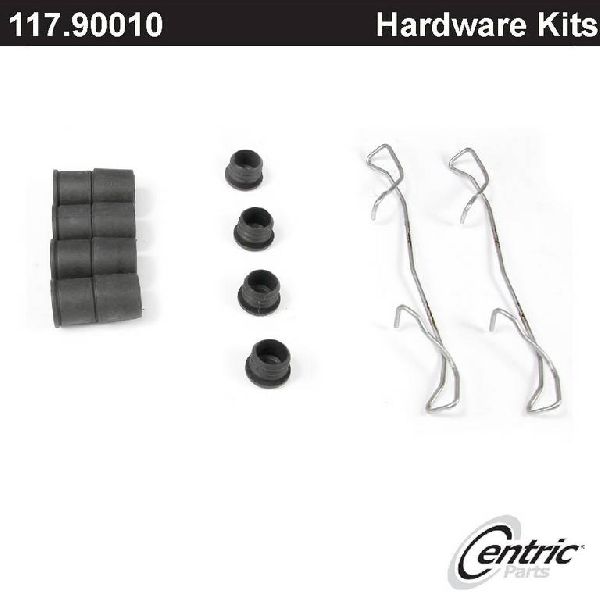
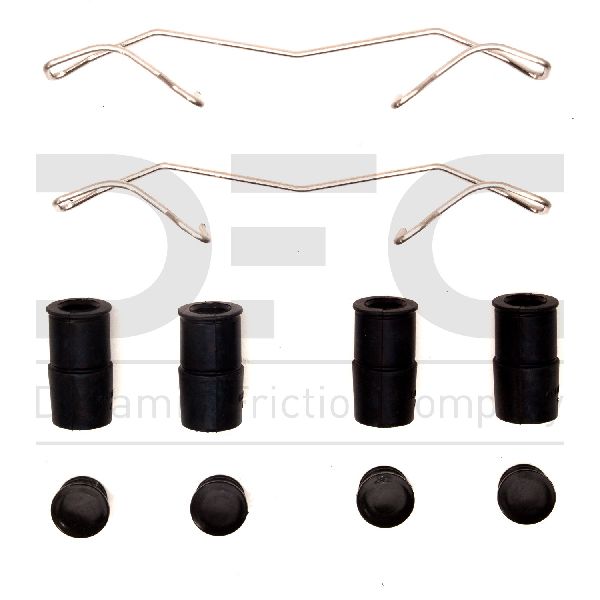
Some hardware kits also include new rubber boots for the caliper guide pins. These boots protect the lubricated pins from dirt and water. If a boot is torn, the pin can rust and seize, causing the caliper to stick. If your new kit includes them, it's a good idea to replace them.
My new pads seem loose/rattle after installation. What went wrong?
This is a classic sign of a hardware problem. Either the wrong hardware kit was used, the clips were installed incorrectly, or you reused the old, worn-out clips that no longer provide proper tension. Ensure you have the correct parts and that the anti-rattle clips are properly seated.
Helpful Videos
Technical Specifications
OEM Part Numbers: GKYA-33-29Z GSYC-33-29Z GHY9-26-49Z GJR9-26-49Z
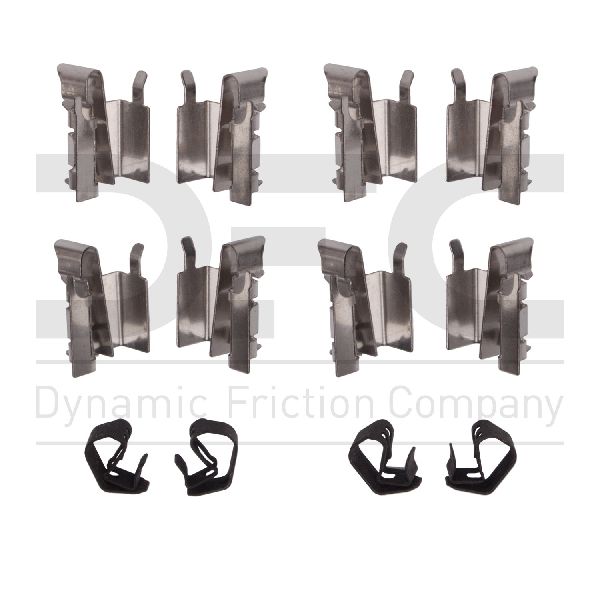
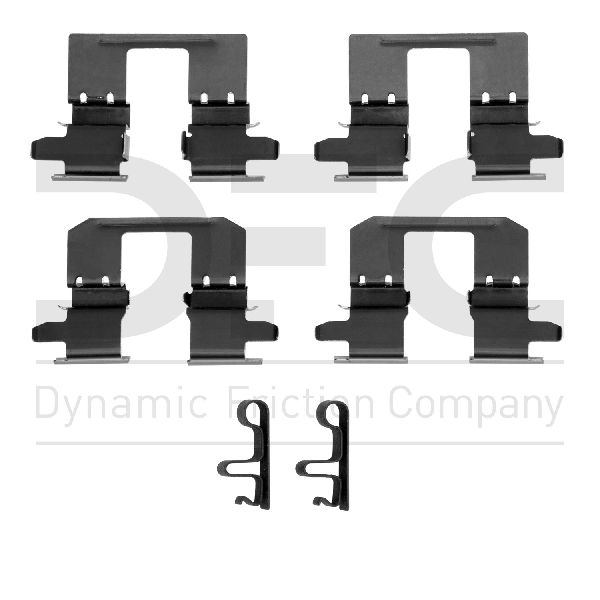
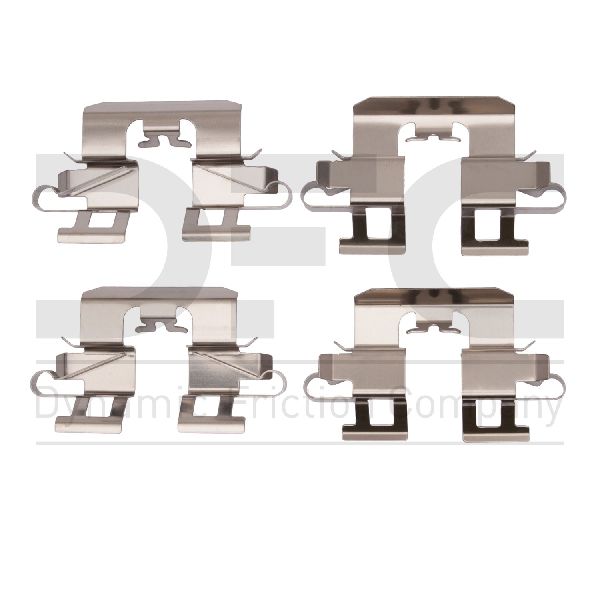
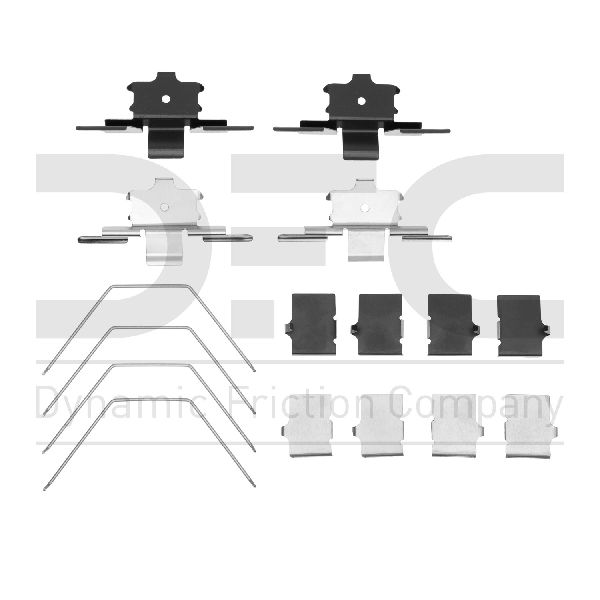
Kits typically include abutment clips (anti-rattle clips) and pad spreader springs. Some kits may also include caliper guide pin boots. Materials vary from standard plated steel to premium stainless steel.
We Have This Part in Stock

The information in this article is provided for general reference and educational purposes only. Vehicle specifications, procedures, and part compatibility can vary by production date, trim level, and region. Always consult your vehicle's factory service manual and verify part numbers before purchasing or performing repairs. Safety-critical components such as airbags, seat belts, and braking systems should be installed by a qualified professional.
- Mazda 6: