

A Guide to the Engine Crankshaft Position Sensor for the 2003-2014 Mazda 6
Stalling, rough idling, or a no-start condition in your Mazda 6 could point to a failing crankshaft position sensor.
- A failing crankshaft sensor often causes stalling, hard starts, and a P0335 trouble code.
- Replacement is a manageable DIY job, accessed through the passenger-side wheel well.
- For this critical sensor, choosing a premium aftermarket brand like Hitachi or Delphi is recommended over budget options.
- There are no specific recalls or TSBs from Mazda for this part on the 2003-2014 Mazda 6.
Is Your Mazda 6 Stalling or Hard to Start?

A failing crankshaft position sensor is a common issue that can leave you stranded. This sensor is vital for engine operation, and when it starts to go bad, it can cause a range of frustrating and potentially dangerous symptoms. Recognizing the signs early can save you from a breakdown and more expensive repairs down the line. The most common diagnostic trouble code associated with a failing crankshaft position sensor is P0335.
🎬 See how to fix P0335 and P0340 engine codes.Choosing the Right Aftermarket Sensor

When replacing the crankshaft sensor, you don't have to go to the dealer. The aftermarket offers a wide range of options, but quality can vary. Here’s a breakdown of what to look for:
- Premium Aftermarket (OEM-Equivalent): Brands like Hitachi and Delphi are often original equipment manufacturers or suppliers for many car brands. They are generally considered top-tier choices that offer reliability comparable to the original part. Forum users across different makes often recommend sticking with these brands for critical sensors to avoid compatibility issues.
- Reputable Aftermarket: Brands such as NGK, Standard Ignition (Intermotor), and Walker Products have a long history in the aftermarket and are generally considered reliable mid-tier options. They offer a good balance of quality and price.
- Economy/Store Brands: Brands like Dorman or store-specific brands (e.g., Duralast) offer a budget-friendly solution. While they can be a good value, some professional mechanics and DIYers report a higher rate of out-of-the-box failures or shorter lifespans compared to premium brands. For a critical sensor like this, the small savings might not be worth the risk of having to do the job twice.
Cost to Replace a Mazda 6 Crankshaft Position Sensor
| Part Type | Estimated Cost |
|---|---|
| New Aftermarket | $20 - $87 |
| New OEM (Mazda) | $70 - $90 |
| Shop Labor | $100 - $200 |
Cost estimates are approximate and can vary by location, supplier, and vehicle engine type (4-cylinder vs. V6). 🎬 Watch this walkthrough for the 3.0L V6 crankshaft sensor.
Known Issues, Recalls, or TSBs
Searches for recalls and Technical Service Bulletins (TSBs) related specifically to the crankshaft position sensor on the 2003-2014 Mazda 6 did not yield any results. While there are recalls for this generation of Mazda 6, such as for front cross member corrosion in salt-belt states, they are not related to this specific sensor.
Frequently Asked Questions (FAQ)

Where is the crankshaft sensor located on a 2003-2014 Mazda 6?
The location varies slightly by engine and year. Generally, you can find it on the lower part of the engine block, near the crankshaft pulley (the main pulley at the bottom of the engine driven by the serpentine belt). Access is typically gained by removing the front passenger-side wheel and a plastic splash shield in the wheel well.
Can I replace the crankshaft sensor myself?
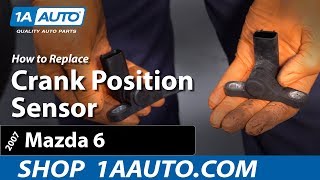
Yes, this is a DIY-feasible job for someone with basic mechanical skills and tools. 🎬 Watch this step-by-step replacement guide for 2006-2013 models. The process involves jacking up the car, removing the passenger wheel and a splash guard, unplugging the sensor's electrical connector, and removing one or two 8mm bolts. The most common difficulty is the sensor being stuck in the engine block, which may require gentle prying to remove.
What happens if I ignore a bad crankshaft sensor?
Ignoring a failing crankshaft sensor is not recommended. The symptoms will likely worsen over time, leading from intermittent stalling and rough running to a complete no-start condition, potentially leaving you stranded. Continued misfires can also cause damage to other components, like the catalytic converter.
Do I need to perform a special procedure after replacement?
Generally, no special calibration is needed for a simple replacement. However, after installing the new sensor, it is essential to clear the diagnostic trouble codes (like P0335) from the engine computer using an OBD-II scanner. If you don't, the check engine light may remain on.
Helpful Videos
Technical Specifications
OEM Part Numbers: L3G2-18-221 CAY1-18-221 L3K9-18-221A
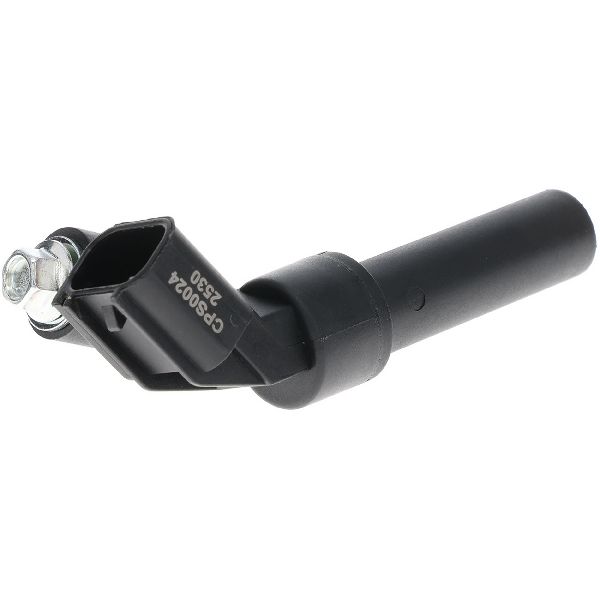
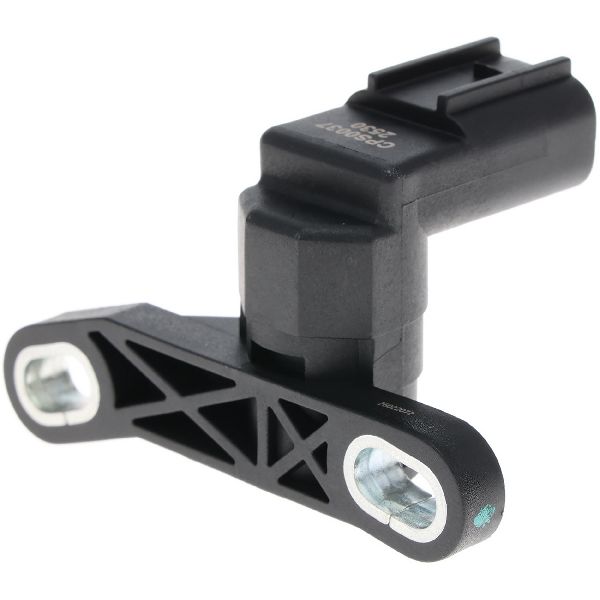
The sensor for the Mazda 6 is typically a Hall effect sensor with a 3-pin rectangular electrical connector. It is secured by one or two 8mm bolts.
We Have This Part in Stock


The information in this article is provided for general reference and educational purposes only. Vehicle specifications, procedures, and part compatibility can vary by production date, trim level, and region. Always consult your vehicle's factory service manual and verify part numbers before purchasing or performing repairs. Safety-critical components such as airbags, seat belts, and braking systems should be installed by a qualified professional.
- Mazda 6: